April 18, 2026

brand identity

Branding iron management sets the stage for an enthralling exploration of how this age-old tool continues to play a pivotal role in modern branding. It’s not just about marking products; it’s about creating a lasting impression that resonates with customers. This overview dives into the significance of branding irons, their diverse applications across industries, and the impact they have on customer loyalty and perception.

From understanding the various types of branding irons to best practices for their management, every aspect reveals how these tools contribute to a cohesive brand identity. Whether it’s the craftsmanship involved in their creation or the thoughtful design reflecting a company’s ethos, branding irons are integral in weaving a narrative that captivates and retains customer interest.

Branding Iron Management Overview

Branding Iron Management is a strategic approach to creating and maintaining a brand’s identity in the marketplace. This concept revolves around the idea of using a “branding iron” as a metaphor for the tools and techniques employed to establish a brand’s presence and influence. Effective branding iron management not only defines how a brand is perceived but also shapes customer loyalty and engagement.The role of branding irons in creating a brand identity is crucial.

They serve as the instruments through which businesses communicate their values, mission, and personality. Branding irons can include elements such as logos, color palettes, taglines, and overall visual aesthetics that represent the brand. Each of these components contributes to a cohesive brand identity that resonates with consumers, making it easier for them to recognize and connect with the brand emotionally.

Impact of Effective Branding Iron Management on Customer Perception and Loyalty

Understanding the influence of branding iron management on customer perception is vital for any business aiming for long-term success. Effective branding creates a distinct image that consumers can relate to, fostering feelings of trust and loyalty. A strong brand identity not only differentiates a company from its competitors but also establishes an emotional connection with its audience, thereby influencing their purchasing decisions.The importance of effective branding can be highlighted through specific points:

  • Consistency Across Channels: Maintaining a consistent brand message across various platforms ensures that customers receive the same experience regardless of where they encounter the brand. This consistency builds trust and reinforces the brand’s identity.
  • Emotional Engagement: Brands that effectively manage their branding iron can evoke emotions in their customers. For instance, brands like Apple and Nike successfully create a sense of belonging and aspiration, which enhances loyalty.
  • Brand Recognition: A well-managed brand is easily recognizable. For example, the golden arches of McDonald’s are instantly associated with fast food, demonstrating the power of visual branding in customer recall.
  • Customer Advocacy: When customers resonate with a brand’s identity, they are more likely to advocate for it. This means they will recommend the brand to others, creating organic growth through word-of-mouth.

“Effective branding is about creating a lasting impression that resonates with consumers and builds loyalty over time.”

The examples of successful companies highlight the significance of branding iron management. Companies like Coca-Cola have mastered this by maintaining consistency in their messaging and visuals while also adapting to contemporary cultural contexts. By continuously managing their branding elements, they cultivate a loyal customer base that feels connected to the brand’s story and values.

Types of Branding Irons

Branding irons are essential tools across various industries, each tailored to meet specific branding needs. They come in different forms, materials, and technologies, catering to a wide range of applications from livestock marking to food branding. Understanding the types of branding irons available helps businesses choose the right tool for their branding practices.The production of branding irons employs several materials and technologies, which impact their effectiveness and durability.

Common materials include steel, brass, and copper, each offering distinct benefits. Steel branding irons are known for their durability, while brass and copper are often favored for their heat retention properties. Advances in technology have also led to the use of electric branding irons, which provide consistent heat and reduce the time required for branding.

Common Types of Branding Irons

There are various types of branding irons used across different industries, each designed for specific applications. Below are the most common types along with their applications:

  • Hot Branding Irons: Traditionally made from metal and heated, these branding irons create a permanent mark on wood, leather, and animal hides. They’re widely used in livestock industries for marking cattle and horses.
  • Cold Branding Irons: These utilize extreme cold to create a mark, often employed in livestock branding as it reduces pain for the animal. They are made from materials such as steel that can withstand low temperatures.
  • Electric Branding Irons: These are electrically heated and allow for precise temperature control, making them ideal for branding food products. They are popular in the restaurant business for branding burgers, steaks, and other meats.
  • Custom Branding Irons: Tailored for specific logos or designs, these can be created in various shapes and sizes. They are used in crafts and artisanal products to personalize items like woodwork or leather goods.

Materials Used in Branding Irons

The choice of materials for branding irons significantly influences their performance and application. The most commonly used materials include:

  • Steel: Known for its durability and strength, steel is often used for hot branding irons. It can withstand high temperatures without deforming, making it ideal for livestock and manufacturing uses.
  • Brass: Used primarily for electric branding irons, brass provides excellent heat retention and allows for consistent branding temperatures.
  • Copper: Often employed in custom branding irons due to its ability to conduct heat efficiently. Copper branding irons can create clear impressions on various surfaces.

Examples of Branding Irons by Industry

Different industries utilize branding irons in unique ways, tailoring their designs and materials to meet specific needs. Here are some notable examples:

  • Food Industry: Restaurants may use branding irons with custom logos to imprint their brand on burgers or hot meals, enhancing presentation and brand recognition.
  • Agriculture and Livestock: Ranchers often use hot branding irons for cattle, which helps in identification and ownership verification. Cold branding is also preferred to minimize discomfort to the animals.
  • Craft and Artisanal Products: Crafters use custom branding irons to add a personal touch to handcrafted items, such as leather goods or wooden furniture, ensuring brand visibility and uniqueness.

Best Practices for Branding Iron Management

Maintaining branding irons is crucial for any business that uses them, as the quality of branding directly affects the brand image. By implementing effective practices, you can ensure the longevity of your branding tools, streamline your branding iron management, and provide thorough training to your staff for proper usage.

Strategies for Maintaining and Caring for Branding Irons

Proper care of branding irons is essential to preserve their effectiveness and ensure they last for many uses. Regular maintenance helps in preventing rust and damage, which can affect the quality of the brand it leaves behind. Here are some key practices for maintaining and caring for branding irons:

  • Clean after each use: Always clean branding irons immediately after use to remove residue. A soft cloth or brush can help remove any burnt material that may cling to the surface.
  • Store properly: Store branding irons in a dry place, ideally in a cotton bag or a protective case to prevent moisture and dust accumulation.
  • Check for damage: Regularly inspect branding irons for any signs of wear or damage. Addressing issues early can save costs and ensure the branding remains clear and sharp.
  • Oil the surface: Apply a light coat of machine oil on the branding surface after cleaning to prevent rust and maintain its finish.

Creating and Implementing a Branding Iron Management Plan

A well-defined branding iron management plan is vital for any business using these tools. It ensures consistency in branding practices and streamlines operational efficiency. Key steps to create and implement this plan include:

  • Inventory assessment: Start by conducting an inventory of all branding irons, including their condition and usage frequency.
  • Establish protocols: Develop protocols that Artikel how branding irons should be used, cleaned, and stored. This ensures every team member follows the same procedures.
  • Assign responsibility: Appoint a specific individual or team responsible for overseeing the maintenance and management of branding irons, ensuring accountability.
  • Regular reviews: Schedule regular audits of branding iron usage and condition, making adjustments to the management plan as needed.

Training Staff on Proper Use and Handling of Branding Irons

Training staff on the correct use and handling of branding irons is critical for maintaining quality control and minimizing accidents. Effective training programs should cover the following areas:

  • Demonstration of use: Conduct hands-on demonstrations showing the correct way to operate branding irons to avoid mishaps and achieve the desired branding quality.
  • Safety protocols: Train staff on safety measures, including wearing appropriate protective equipment and handling hot branding irons correctly to prevent burns.
  • Maintenance procedures: Educate staff on maintenance processes, such as cleaning routines and storage practices, to ensure the longevity of the branding irons.
  • Feedback system: Implement a feedback system where staff can share their experiences and suggestions regarding branding iron usage, fostering a culture of continuous improvement.

Branding Iron Design and Customization
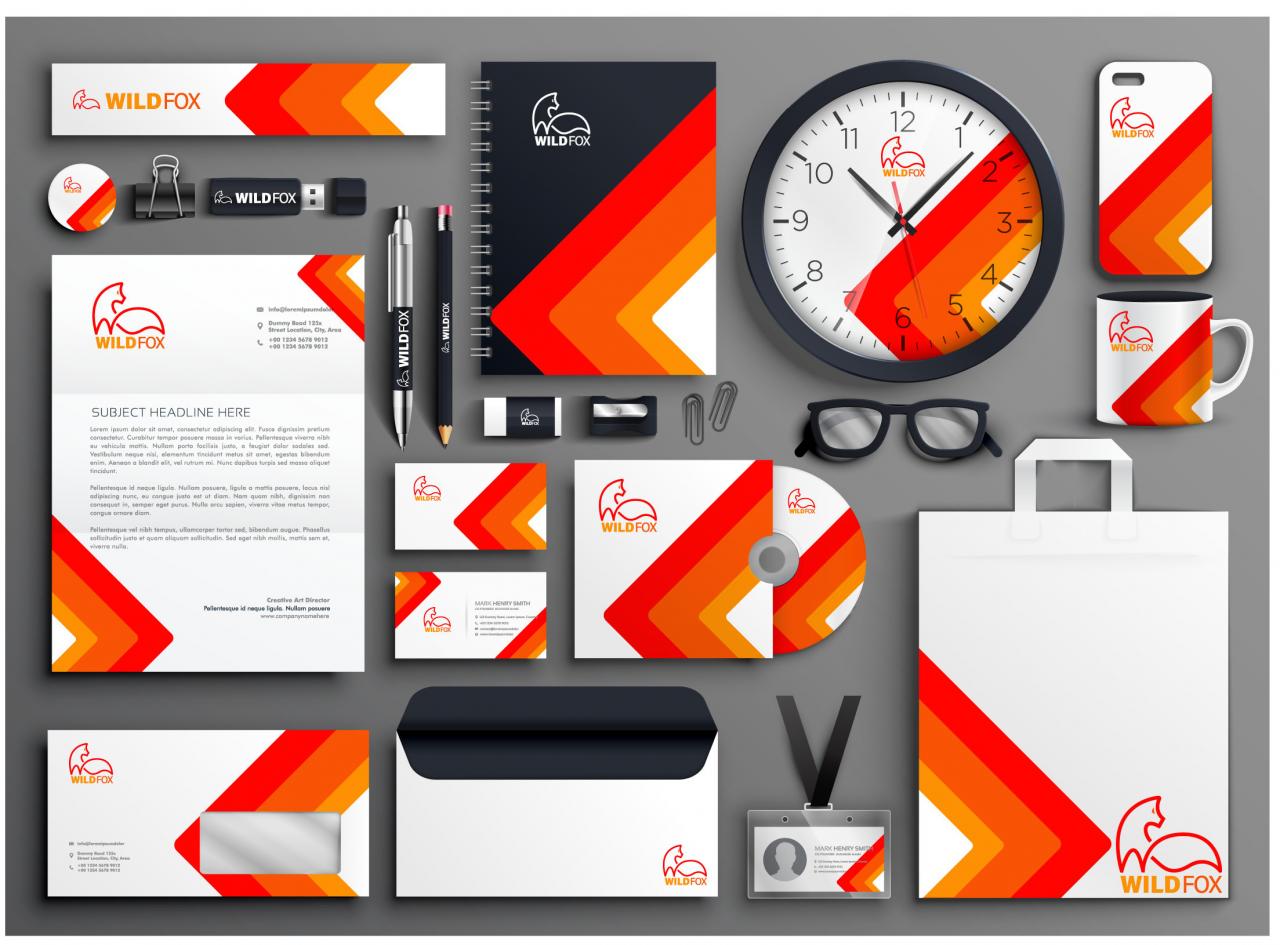
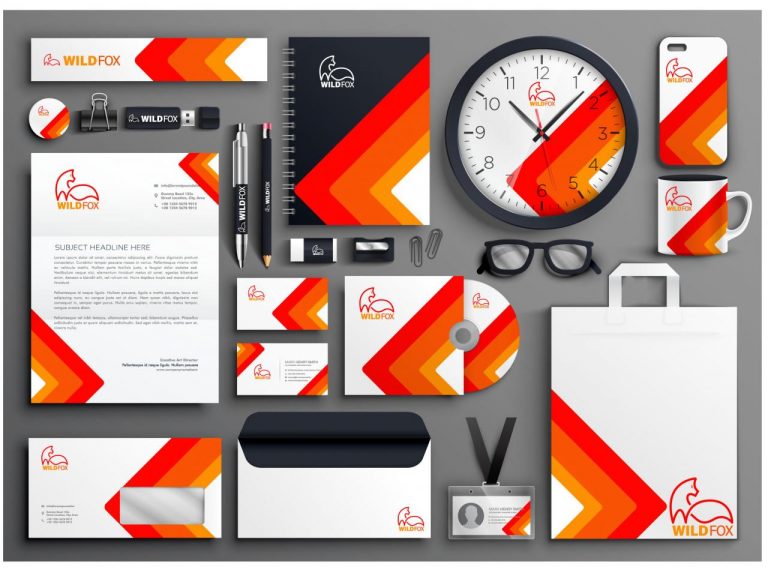
Corporate Branding Identity | ubicaciondepersonas.cdmx.gob.mx

Custom branding iron designs play a critical role in reinforcing a company’s identity and values. A unique branding iron not only serves a functional purpose but also communicates a brand’s mission and ethos at a glance. This alignment between design and brand identity ensures that even the simplest of markings can leave a lasting impression on customers and stakeholders.The design process for branding irons involves several key considerations, including size, shape, material, and logo integration.

These elements must cohesively reflect the brand’s personality while ensuring practicality and usability. A well-planned design can enhance the branding experience, making it memorable and effective.

Importance of Custom Branding Iron Designs

Creating a branding iron that embodies a company’s values is essential for establishing a strong market presence. A custom design can convey messages about quality, craftsmanship, and commitment to the brand’s mission. Here are some vital points highlighting the significance of personalized branding iron designs:

  • Visual Identity:

    Custom designs reinforce a company’s visual identity, making the brand more recognizable.

  • Emotional Connection:

    Unique designs resonate with customers, fostering loyalty and emotional connections.

  • Brand Differentiation:

    Custom branding irons set a brand apart from competitors, showcasing its uniqueness.

  • Professionalism:

    High-quality, tailored branding irons reflect professionalism and attention to detail.

Design Process for Branding Irons

The design process of a branding iron requires a careful approach to ensure that all elements align with the company’s image and values. Several factors must be taken into account:

  • Size:

    The dimensions of the branding iron should suit the items being branded, ensuring visibility without overpowering the product.

  • Shape:

    The shape can reflect brand attributes; for example, rounded shapes may evoke warmth, while angular designs suggest modernity.

  • Logo Integration:

    Seamlessly integrating the company logo into the design is crucial for brand recognition.

  • Material Selection:

    Choosing the right materials influences the durability and quality of the impression left by the branding iron.

Examples of Successful Branding Iron Designs

Numerous companies have effectively utilized unique branding iron designs to strengthen their market presence. Here are a few notable examples:

  • Craft Breweries:

    Many craft breweries use custom branding irons to mark their barrels, imparting a rustic charm and authenticity that resonates with their customers.

  • Artisan Food Producers:

    Small-batch food brands often incorporate their logos into branding irons to enhance packaging, reinforcing their artisanal image.

  • Furniture Makers:

    Custom branding irons are commonly used by furniture makers to stamp their logo onto the pieces, signifying craftsmanship and quality.

  • Luxury Goods:

    High-end brands might use unique branding irons to create an exclusive feel, ensuring their products stand out in a competitive market.

Legal Considerations in Branding Iron Use

The use of branding irons in product labeling and branding introduces various legal implications that businesses must navigate carefully. Understanding these considerations is vital for ensuring compliance with trademark and copyright laws, as well as protecting intellectual property rights. Proper handling of these issues can safeguard a brand’s identity and prevent legal disputes.

Legal Implications of Branding Irons

Using branding irons for marking products can have significant legal implications. Businesses must ensure that the design and application of branding irons do not infringe on existing trademarks or copyrights. A branding iron that closely resembles a registered trademark can lead to legal challenges, including claims of trademark infringement. To avoid such complications, brands should conduct thorough trademark searches before finalizing their branding iron designs.

Compliance with Trademark and Copyright Laws

To ensure compliance with trademark and copyright laws when designing branding irons, several steps can be followed:

1. Conduct a Trademark Search

Before designing a branding iron, businesses should perform a comprehensive search of existing trademarks to ensure that their design is unique and does not infringe on others.

2. Register Your Trademark

Once a unique design is established, businesses should consider registering their trademark with the relevant authorities to protect their branding iron design legally.

3. Document Design Processes

Keeping detailed records of the design process, including sketches and drafts, can be beneficial if legal disputes arise regarding originality.

4. Consult Legal Experts

Engaging intellectual property attorneys can help navigate complex legal landscapes and ensure compliance with all relevant laws.

Best Practices for Documenting Branding Iron Usage

Proper documentation of branding iron usage is essential for protecting intellectual property. Here are some best practices to consider:

Create a Usage Log

Maintain a detailed log of where and how the branding iron is used, including dates, product types, and any changes made to the design over time.

Store Evidence of Ownership

Keep copies of all registration documents, design updates, and correspondence related to your branding iron to establish a clear ownership history.

Monitor for Infringement

Regularly check the market for products that may be using a similar branding iron design without permission, and document any findings as potential evidence in case of infringement.

Educate Employees

Ensure that all employees understand the importance of using branding irons correctly and the potential legal consequences of misuse.

Understanding and addressing the legal considerations around branding iron use is crucial for safeguarding a brand’s identity and avoiding legal pitfalls.

Brand Consistency and Branding Iron Management

Maintaining brand consistency is crucial for establishing a cohesive identity and building trust with customers. Effective branding iron management plays a significant role in ensuring that all branding elements, including logos and symbols, are applied uniformly across various platforms and products. This consistency not only reinforces the brand message but also strengthens customer recognition and loyalty over time.The relationship between brand consistency and effective branding iron management is intertwined.

Branding irons serve as tangible representations of a brand, and their proper management ensures that every interaction with the brand is aligned with the company’s core values and messaging. When branding irons are utilized effectively, they can enhance the customer experience by providing a uniform visual identity that resonates across multiple touchpoints.

Reinforcing Brand Messaging

Branding irons can be instrumental in reinforcing brand messaging across different customer touchpoints, such as packaging, promotional materials, and even digital platforms. By consistently applying branding elements using these tools, a brand can create a recognizable identity that leaves a lasting impression on consumers. For instance, when a business utilizes a branding iron with its logo on packaging, it not only enhances the aesthetic appeal but also communicates the brand’s commitment to quality.

This application of branding helps consumers associate the product with the brand identity, thereby strengthening brand recall and loyalty.

Auditing Brand Consistency

Conducting regular audits of brand consistency is essential for ensuring that branding irons are being used appropriately and effectively. This process involves reviewing various aspects of branding to identify discrepancies that may undermine the overall brand image. Key methods for auditing brand consistency related to branding irons include:

  • Visual Inspection: Regularly check all branded materials to ensure that the branding irons are applied correctly and consistently across different products and platforms.
  • Customer Feedback: Gather input from customers regarding their perceptions of brand consistency. This feedback can provide valuable insights into how effectively branding elements are being communicated.
  • Brand Guidelines Review: Evaluate adherence to established brand guidelines, ensuring that all branding iron applications align with the intended visual identity and messaging.
  • Competitor Benchmarking: Analyze competitor branding strategies to identify industry standards and best practices. This can help in assessing whether your branding iron management is competitive and effective.

By implementing these auditing methods, brands can identify areas for improvement and reinforce their brand message through consistent and effective use of branding irons.

Marketing Strategies Involving Branding Irons

Incorporating branding irons into marketing strategies can significantly enhance brand visibility and customer engagement. These tools not only serve as a physical representation of a brand but also create memorable experiences for customers. By strategically leveraging branding irons in promotional activities, businesses can reinforce their brand identity while appealing to their target audience.Branding irons can be effectively used in various marketing initiatives, particularly in promotional events and giveaways.

They offer a unique way to leave a lasting impression, as consumers often appreciate tangible items that reflect their interests and values. Below are several innovative marketing strategies involving branding irons that can elevate a brand’s presence in the marketplace.

Innovative Marketing Strategies

Using branding irons creatively can lead to unique and memorable marketing campaigns. Here are some strategies that businesses can adopt:

  • Customized Merchandise: Branding irons can be used to imprint logos or designs onto merchandise such as leather goods, wood products, or even food items. This adds a personal touch that enhances customer loyalty.
  • Live Demonstrations: Hosting live branding demonstrations at events allows potential customers to see the branding process in action. This interactive experience can attract attention and engage attendees more effectively.
  • Event Sponsorships: When sponsoring local events, branding irons can be used to create branded items that resonate with the community, such as custom coasters or engraved trophies, reinforcing brand recognition.
  • Collaborations with Local Artisans: Partnering with local artisans or craftsmen to create limited-edition items using branding irons can invite interest and foster community relationships, while also driving sales.

Another way branding irons can be utilized is during promotional events and giveaways. These items can transform a standard giveaway into a memorable experience, making your brand stand out in a crowded market.

Branding Irons in Promotional Events

Promotional events are prime opportunities to showcase branding irons. Here’s how they can be integrated into these events for maximum impact:

  • Product Launches: At product launches, branding irons can be used to personalize giveaways, providing attendees with a unique memento of the event that also serves as a marketing tool.
  • Food Festivals: Utilizing branding irons to imprint logos on food items (like burgers or artisanal breads) at food festivals can create a buzz and offer a taste of the brand in a literal sense, appealing to food lovers.
  • Craft Fairs: Setting up a booth at craft fairs where visitors can brand items themselves creates an engaging experience that turns them into brand ambassadors.

Successful marketing campaigns have creatively integrated branding irons as a centerpiece of their promotional outreach.

Examples of Successful Marketing Campaigns

Several brands have effectively employed branding irons in their marketing strategies, leading to noteworthy success:

  • Jack Daniel’s: This whiskey brand introduced a campaign where customers could get their bottles branded at events, thereby personalizing their purchase and enhancing customer loyalty.
  • Local Craft Breweries: Many local breweries host tapping events where they use branding irons to mark glasses or coasters, creating a unique experience that encourages visitors to share on social media.
  • Outdoor Retailers: Brands like REI often use branding irons during their workshops to customize items for participants, making the experience memorable and encouraging repeat visits.

Incorporating branding irons into these innovative marketing strategies not only enhances brand visibility but also fosters a deeper connection between the brand and its consumers. By providing unique, tangible experiences that resonate with customers, businesses can leverage branding irons as powerful tools in their marketing arsenal.

Final Wrap-Up

In conclusion, effective branding iron management is not merely about the physical tool but rather about the story and consistency it conveys across all touchpoints. By implementing best practices, understanding legal implications, and embracing innovative marketing strategies, businesses can bolster their brand identity and foster loyalty. Ultimately, a well-managed branding iron serves as a powerful emblem of a company’s values and commitment to quality, leaving a memorable mark on customers.

Clarifying Questions

What is branding iron management?

Branding iron management refers to the strategic handling and utilization of branding irons to enhance brand identity and customer loyalty.

Why are branding irons important for businesses?

They create a strong visual identity, helping businesses distinguish themselves and build trust with customers.

How should branding irons be maintained?

Regular cleaning and proper storage are essential to ensure longevity and effectiveness.

Can branding irons be customized?

Yes, many companies offer customization options to align the branding iron design with a business’s unique values and logo.

What legal considerations should businesses keep in mind?

Businesses must comply with trademark and copyright laws when designing branding irons to protect their intellectual property.
Branding Iron Conrad takes us on a fascinating journey through the world of branding irons, which have played a pivotal role in various industries for centuries. From livestock to crafts, these tools not only symbolize ownership but also contribute significantly to brand identity and recognition.

In this exploration, we will uncover the historical roots of branding irons, the different types available today, and how they are used across different sectors. We’ll also touch upon the importance of branding in business and the future trends that may shape the production of these essential tools.

Overview of Branding Iron Conrad

Branding irons have long served as essential tools across various industries, marking ownership and identity through unique symbols. These metal instruments are heated and pressed into materials like wood, leather, or flesh to create permanent impressions. Their significance extends beyond mere identification; they embody heritage, craftsmanship, and authenticity in the products they represent.Historically, branding irons are rooted in agricultural practices, particularly in livestock.

Ranchers utilized these devices to permanently mark cattle, ensuring proper identification and deterring theft. The origins of branding can be traced back to ancient civilizations, where different cultures developed their own methods and designs. In addition to livestock, craftspeople adopted branding irons to signify their work, enhancing the perceived value of handmade items. The evolution of branding irons reflects a shift from practical necessity to a symbol of artisanal quality and brand integrity.

Role of Conrad in Branding Irons

The influence of Conrad in the development of branding irons is noteworthy, as he played a pivotal role in popularizing and innovating these tools. His unique approach combined traditional craftsmanship with modern technology, allowing for the production of high-quality branding irons that catered to various industries, from agriculture to artisanal crafts. Conrad’s branding irons are characterized by precision and durability.

By incorporating advanced materials and manufacturing techniques, he elevated the branding process, making it more efficient and accessible. This not only benefited ranchers and craftspeople but also helped establish a standardized approach to branding across different sectors.In addition to crafting superior products, Conrad emphasized the importance of design in branding. He understood that a well-designed branding iron could enhance the visual appeal of products, thereby increasing their market value.

This foresight led to the incorporation of customizable branding options, allowing businesses to create unique marks that resonate with their identity.The impact of Conrad’s innovations is evident in various applications. For instance, many contemporary artisanal producers now use his branding irons to create distinctive logos on leather goods, boosting their brand presence in a competitive market. Additionally, his commitment to quality has set a benchmark for other manufacturers, encouraging a culture of excellence in the branding industry.Overall, Conrad’s contributions to the development of branding irons have not only shaped the tools used for branding but have also influenced the broader landscape of branding and identity in various trades.

Types of Branding Irons

Branding irons are essential tools for anyone looking to leave a lasting mark or impression on their products. There are various types available in the market, each designed to cater to specific needs and preferences. Understanding these types can help you choose the right branding iron for your application, whether it’s for leather goods, woodworking, or metalwork.

Different Types of Branding Irons

When selecting a branding iron, it is important to consider the different types and their applications. Here’s a breakdown of the most common types available:

  • Electric Branding Irons: These irons use electricity to heat the branding plate quickly, providing a consistent and clean burn. They are ideal for high-volume production as they allow for continuous use without the need for re-heating.
  • Traditional Branding Irons: These are manually heated, typically using a flame or hot coals. They require more skill and time to use effectively but are favored for their authenticity and the unique character they can impart to each branding.
  • Custom Branding Irons: These can be either electric or traditional and are tailored to feature specific logos or designs. Custom branding irons allow businesses to create a unique brand identity.
  • Cold Branding Irons: Instead of using heat, these branding irons use extreme cold to imprint a design on materials, commonly used in livestock branding.

Differences Between Electric and Traditional Branding Irons

Both electric and traditional branding irons have their advantages and limitations. Understanding these differences is crucial for selecting the best option for your needs.

  • Heating Method: Electric branding irons heat up via an electric coil, while traditional branding irons require a heat source such as wood or gas.
  • Time Efficiency: Electric irons heat up quickly and maintain temperature effectively, making them suitable for high-demand environments. Traditional irons take longer to heat and can be less efficient in a production setting.
  • Precision and Control: Electric branding irons often provide a more consistent heat level, which can lead to better results. Traditional branding irons offer more control over the heat application but depend on the user’s skill.

Materials Commonly Used for Making Branding Irons

The choice of material in branding irons significantly affects their performance and durability. Various materials are used, each with its unique benefits:

  • Steel: This is the most common material due to its high durability and ability to withstand extreme heat. Steel branding irons provide a sharp imprint and are suitable for a variety of materials.
  • Brass: Brass offers good conductivity and is ideal for creating detailed designs. Its resistance to corrosion makes it a popular choice for electrical branding irons.
  • Aluminum: Lightweight and often used in custom branding irons, aluminum is easy to work with and can be manufactured to precise specifications, though it may not hold heat as well as steel.

Applications of Branding Irons

Branding irons are versatile tools that extend their utility beyond traditional livestock branding. Industries such as agriculture and crafts utilize these tools to enhance their branding strategies and product uniqueness. Their applications vary widely, showcasing creativity and practicality across different sectors.In agriculture and cattle ranching, branding irons are primarily used to mark livestock for identification purposes. This practice not only helps in preventing theft but also streamlines herd management.

Farmers often develop unique symbols or initials to represent their ranches, ensuring their cattle can be easily recognized.

Unique Uses for Branding Irons

Branding irons have found innovative applications beyond livestock branding, appealing to various industries and crafts. Some notable examples include:

  • Woodworking and Carpentry: Craftsmen use branding irons to imprint their logos or personal touches on furniture, adding a customized flair to their products.
  • Culinary Arts: Chefs and food artisans employ branding irons to mark their signature dishes or baked goods, creating a memorable dining experience for customers.
  • Leather Crafting: Artisans brand leather goods, such as bags and wallets, with unique designs or monograms, elevating the perceived value and uniqueness of each item.
  • Promotional Items: Companies use branding irons to create customized promotional merchandise, such as keychains or coasters, that feature their logos or slogans.

The diversity in applications illustrates the adaptability of branding irons across different crafts and industries.

Customization Options for Branding Irons

Customization is a key factor that makes branding irons appealing to businesses. Various options are available to cater to specific branding needs, allowing companies to establish their identity effectively. The customization options include:

  • Design Flexibility: Businesses can create custom designs, including logos, initials, or unique symbols, tailored to their branding requirements.
  • Size Variability: Branding irons can be made in different sizes to suit various applications, from small crafts to larger agricultural needs.
  • Material Choices: Brands can choose from different materials, such as steel or brass, each offering different levels of durability and heat retention.
  • Temperature Settings: Adjustable temperature settings allow users to customize their branding process according to the material being branded, ensuring optimal results.

These customization features empower businesses to create a distinct brand presence, enhancing their marketing efforts and customer recognition. The creative possibilities with branding irons are vast, encouraging industries to explore new ways of expressing their identity and craftsmanship.

The Importance of Branding in Business

Branding plays a crucial role in defining a business’s identity and establishing a presence in the marketplace. It encompasses everything from logos and colors to the overall message communicated to consumers. When it comes to branding irons, they serve as a tangible representation of a brand that can enhance visibility and foster recognition. This segment delves into the significance of branding, exploring how branding irons contribute to brand identity, the psychological effects of branding on consumer behavior, and the impact of branding on customer loyalty and trust.

Branding Irons and Brand Identity

Branding irons are effective tools for creating a memorable brand identity. They allow businesses to imprint their logos or names onto products, packaging, or promotional materials. This physical representation reinforces brand visibility and ensures customers associate specific products with the brand. By utilizing branding irons, companies can create a cohesive image that resonates with their target audience. A well-executed branding strategy can lead to significant recognition in crowded markets.

“A strong brand is the foundation of customer loyalty and trust.”

Psychological Impact of Branding

Branding significantly influences consumer behavior and decision-making processes. Establishing a strong brand can evoke emotions, create perceptions, and establish a connection between the brand and its consumers. This connection often stems from the following psychological principles:

  • Emotional Resonance: Brands that resonate emotionally with their audience tend to foster stronger loyalty.
  • Perceived Value: A well-known brand often has an elevated perceived value, affecting purchasing decisions.
  • Trustworthiness: Established brands are often seen as more reliable, leading to repeat purchases.

Understanding the psychological impact of branding enables businesses to tailor their marketing strategies to build deeper relationships with their customers.

Building Customer Loyalty and Trust

The role of branding in fostering customer loyalty and trust cannot be overstated. A consistent branding strategy instills confidence in consumers. When customers recognize a brand, they are more likely to return for repeat purchases, creating long-term relationships. The following elements contribute to building trust and loyalty through branding:

  • Consistency: Consistent messaging and visuals across all platforms enhance reliability.
  • Quality Assurance: Consumers are more inclined to trust brands they associate with high-quality products.
  • Community Engagement: Brands that actively engage with their community foster a sense of belonging among consumers.

By focusing on these elements, brands can cultivate a loyal customer base that not only returns but also advocates for the brand within their networks.

Crafting and Maintaining Branding Irons

Creating and maintaining branding irons is essential for ensuring they last long and perform effectively. Proper crafting techniques as well as ongoing maintenance can make a significant difference in the quality of the branding imprint and the longevity of the tool itself. Here’s an overview of how to craft a custom branding iron and maintain it for optimal use.

Step-by-Step Process of Creating a Custom Branding Iron

Crafting a custom branding iron involves several key steps, each crucial to achieving a high-quality product. The process includes selecting materials, designing the branding stamp, and finally shaping the iron.

1. Selecting Materials

Choose durable materials such as brass, steel, or aluminum. Brass is particularly popular for its corrosion resistance and ability to hold detail well.

2. Designing the Branding Stamp

Create a design that clearly represents your brand. This design can be drawn by hand or created using graphic design software.

3. Transferring the Design

Transfer the design onto your chosen metal using an engraving tool or CNC machine, ensuring precision and clarity.

4. Shaping the Iron

Use a forge to heat the metal, allowing it to be shaped into the desired branding iron form. The end should be flat and even to ensure a clear imprint.

5. Finishing Touches

Smooth out any rough edges with a grinder and polish the branding surface to enhance functionality and appearance.

Maintenance Practices to Enhance the Longevity of Branding Irons

To ensure that branding irons maintain their effectiveness and longevity, regular maintenance is important. Proper care will prevent rusting and damage, leading to better performance over time.

Cleaning

After each use, clean the branding iron thoroughly to remove residue. A wire brush can be used to scrape off burnt materials.

Oiling

Apply a light coat of machine oil to the iron’s surface after cleaning. This helps prevent rust and keeps the iron in good condition.

Storage

Store the branding iron in a dry place, ideally in a protective case to avoid scratches and dings. Keeping it away from moisture is essential to prevent corrosion.

Regular Inspections

Periodically check for any signs of wear or damage. If the branding surface becomes pitted or worn, it may need to be re-engraved or replaced.

Safety Precautions When Using Branding Irons

Using branding irons involves safety risks, especially due to the high temperatures required to create a lasting impression. Understanding and implementing safety precautions can help prevent accidents and injuries.

Protective Gear

Always wear heat-resistant gloves to handle the branding iron and safety goggles to protect your eyes from sparks.

Work Environment

Ensure that your work area is well-ventilated and free of flammable materials. A clear workspace reduces the risk of accidents.

Proper Handling

Use the branding iron with a secure grip and avoid using excessive force to prevent slips and burns. Always position the iron carefully before applying it to the material.

Cooling

Allow the branding iron to cool down completely after use before attempting to clean or store it. This prevents burns and potential damage to the storage area.By following these crafting and maintenance guidelines, you can ensure that your branding irons not only convey your brand’s identity effectively but also stand the test of time.

Branding Iron Conrad in Popular Culture

Branding irons, including the notable Branding Iron Conrad, have transcended their practical applications to become significant symbols within various cultural contexts. They often appear in art, literature, and media, representing different themes such as identity, ownership, and transformation. Their representation serves to evoke strong emotional responses and provoke thought about the deeper implications of branding in society.The portrayal of branding irons in art and literature frequently highlights the duality of their symbolism, showcasing both the harshness of physical branding and the more abstract concept of personal branding.

Artists often employ them as metaphors for societal and personal identity, reflecting issues such as conformity, rebellion, and the quest for authenticity. For example, in contemporary art pieces, branding irons can symbolize the commercialization of personal identities, challenging the viewer to consider how individuals are often ‘branded’ by societal expectations.

Notable Instances in Film and Media

Branding and branding irons have made memorable appearances in various films and media, reinforcing their cultural significance. These instances often illustrate the themes of power, control, and individuality, making a lasting impact on audiences.

  • “The Branding Iron” (1950): This classic Western film uses branding as a motif to explore themes of loyalty and betrayal among cowboys, emphasizing the harsh reality of life on the frontier.
  • “The Shawshank Redemption” (1994): In a poignant scene, the concept of branding is metaphorically used to depict the loss of identity within the prison system, where inmates are often stripped of their individuality.
  • “Hot Rod” (2007): The comedic portrayal of a character branding himself with a makeshift iron serves as a humorous take on self-identity and the extremes people go to in order to assert their uniqueness.
  • “Game of Thrones” (2011-2019): The series features branding as a physical mark of loyalty and servitude, reinforcing allegiances while simultaneously highlighting the brutal realities of power struggles.

Symbolism of Branding in Cultural Contexts

Branding transcends mere identification; it embodies complex social and cultural implications. The act of branding can signify ownership, whether of livestock in agrarian societies or individuals in historical contexts. Such practices often invoke discussions about human rights and autonomy, particularly in the context of forced branding.In contemporary culture, branding has shifted to reflect personal and corporate identity, where individuals and businesses alike strive to craft a unique presence in a crowded market.

This evolution signifies the transformation of branding from a physical mark to an abstract representation of values and beliefs.

“Branding is no longer just about names and logos; it’s about the stories we tell and the connections we forge.”

Through literature and media, the symbolism of branding evolves, serving not only as a representation of ownership but also as a reflection of cultural narratives regarding identity, power, and societal structure. By examining these representations, we gain insight into the broader implications of branding in our personal lives and communal interactions.

Future Trends in Branding Iron Production

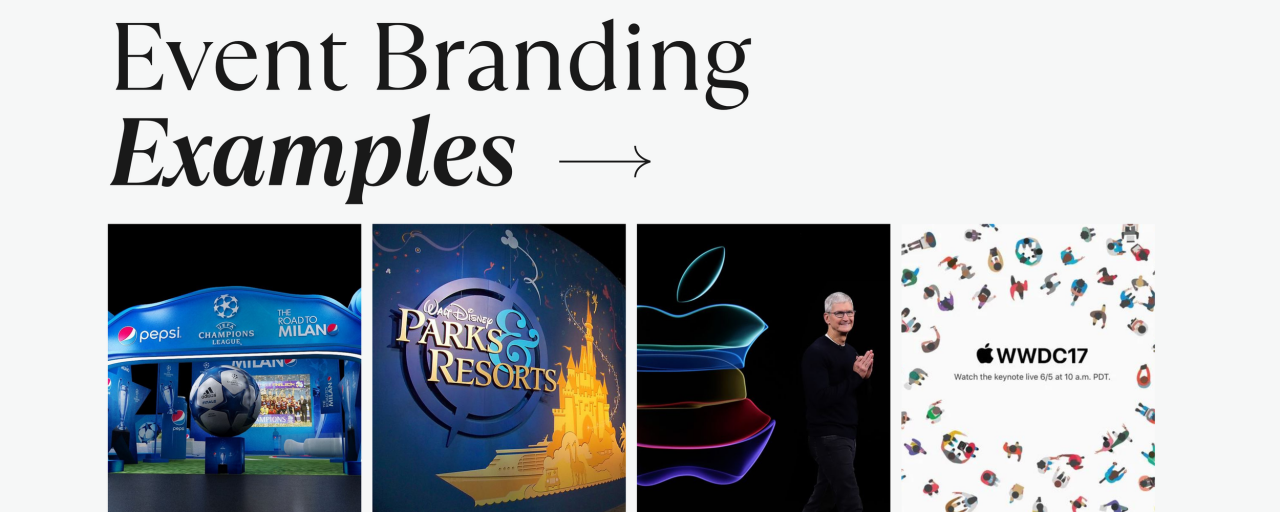
Creating an Unforgettable Experience: Your Ultimate Guide to Event ...

As the world of branding evolves, so does the production of branding irons. With advancements in technology and a growing awareness of sustainability, the future of branding iron manufacturing is set to undergo significant changes. Innovations are emerging that not only enhance the efficiency of production but also align with contemporary market demands for eco-friendliness and unique branding solutions.

Innovative Technologies in Branding Iron Production

Technological advancements are driving the evolution of branding iron production, leading to increased precision and customization. The introduction of laser engraving technology allows for intricate designs that were previously difficult to achieve with traditional methods. This offers businesses the ability to create detailed logos and designs on various materials rapidly.Moreover, 3D printing is beginning to make its mark in branding iron production.

This technology can produce branding irons with unique features tailored to specific branding needs. For example, businesses can create custom shapes that reflect their brand identity. The integration of smart technology is another trend shaping the future of branding irons. Some manufacturers are exploring the use of IoT (Internet of Things) in their production processes, enabling real-time monitoring and adjustments to improve quality control and efficiency.

Potential for Eco-Friendly Materials

Sustainability is becoming a significant focus in many industries, and branding iron production is no exception. The shift towards eco-friendly materials is gaining traction as consumers increasingly prefer brands that prioritize environmental responsibility. Manufacturers are exploring alternatives such as biodegradable plastics and recycled metals for the production of branding irons. These materials not only reduce the environmental footprint but also appeal to a growing demographic of environmentally conscious consumers.

For instance, brands like EcoBrand have gained popularity by offering sustainable branding solutions, including branding irons made from recycled aluminum. This not only minimizes waste but also provides a marketing angle that resonates with eco-friendly consumers.

Evolution of Branding Practices with Market Demands

As the market evolves, branding practices are expected to shift in response to changing consumer behavior and preferences. Personalization is becoming a key factor in branding, with consumers increasingly seeking unique and customized products. The rise of social media and online platforms has also influenced branding practices. Businesses are now challenged to create easily recognizable brands that can stand out in a crowded digital landscape.

This necessitates innovative branding strategies that incorporate branding irons to create tactile, memorable experiences.Moreover, the demand for transparency in production processes is affecting how brands communicate their values. Brands that share their production methods, especially when involving sustainable practices, are likely to foster stronger connections with consumers.In summary, the future of branding iron production is marked by technological innovation, a push for sustainability, and a shift in branding practices that cater to evolving consumer demands.

These trends not only reflect the changing landscape of branding but also provide opportunities for businesses to differentiate themselves in a competitive market.

Summary

In conclusion, understanding Branding Iron Conrad offers valuable insights into the multifaceted role of branding irons in both historical and contemporary contexts. As we look forward, innovations in production and the emphasis on eco-friendly practices suggest that branding irons will continue to evolve, further enhancing their significance in brand building and consumer engagement.

Questions Often Asked

What materials are commonly used for branding irons?

Branding irons are often made from metals like steel and brass due to their durability and ability to retain heat effectively.

Can branding irons be customized?

Yes, many manufacturers offer customization options, allowing businesses to create unique designs or logos for their branding needs.

What are some common applications of branding irons?

Branding irons are used in agriculture for livestock, in crafts for marking handmade goods, and even in culinary arts for branding foods.

How can I maintain my branding iron?

Regular cleaning and proper storage are essential for maintaining the longevity of branding irons. Avoid moisture to prevent rusting.

Are there electric branding irons available?

Yes, electric branding irons are available and offer convenience and consistent heating compared to traditional models.

Branding and design agency play a pivotal role in shaping how businesses communicate their identity to the world. In an era where first impressions are often made online, the significance of a well-crafted brand cannot be overstated. These agencies harness creativity and strategy to forge strong connections between brands and their audiences, ensuring that every visual element resonates and engages.

From developing compelling brand identities to implementing design principles that speak volumes, the journey of a branding and design agency involves a fusion of art and science. This guide delves into the intricacies of branding, exploring how agencies use various design elements to create memorable experiences that captivate and inspire.

Branding Fundamentals

5 Proven Ways to Build Brand Authority on Social Media - Caylor Solutions

Branding is a critical aspect of any business that goes beyond just a logo or a catchy tagline. It encompasses the entire identity of a company and plays a pivotal role in how a business is perceived in the market. A strong brand can create loyalty, differentiate a company from its competitors, and drive consumer preference. Understanding branding fundamentals is essential for businesses aiming to establish a solid presence and connect with their audience.A strong brand identity is made up of several key elements that work together to create a cohesive image.

These elements not only represent the business but also resonate with its target audience. Here are crucial components that contribute to a strong brand:

Key Elements of Brand Identity

The creation of a brand identity involves multiple facets, each influencing how a brand is recognized and understood. The following elements are essential in shaping a brand’s identity:

  • Logo: The visual symbol of a brand that encapsulates its essence and values. A well-designed logo is memorable and can create instant recognition.
  • Color Palette: Colors evoke emotions and can significantly impact perception. A consistent color scheme helps establish brand recognition and communicates key messages.
  • Typography: The style and arrangement of text used in branding materials create a tone and personality that aligns with the brand’s identity.
  • Brand Voice: The style of communication used by a brand in its messaging. This includes the tone, language, and personality that resonate with the target audience.
  • Imagery: Visual elements, including photos and graphics, that tell the brand’s story and convey its values. Consistent imagery helps maintain a cohesive brand identity.

The psychological impact of branding on consumer behavior is profound, influencing purchasing decisions and brand loyalty. Brands that effectively communicate their identity can create emotional connections with consumers, which significantly affects their choices.

Psychological Impact of Branding

Branding plays a crucial role in shaping consumer perceptions and behaviors. Several psychological factors contribute to how branding influences consumers:

  • Emotional Connection: Brands that evoke emotions are more likely to foster loyalty. For instance, Apple has cultivated a brand identity that resonates with innovation and creativity, creating a passionate customer base.
  • Perceived Value: Branding can enhance the perceived value of a product or service. Luxury brands like Rolex leverage their branding to position themselves as premium choices in the market.
  • Trust and Credibility: A strong brand can instill trust. Consumers often prefer established brands due to the familiarity and reliability they represent.
  • Social Influence: Brands can shape trends and societal norms, leading to behaviors that align with brand values, such as sustainability in companies like Patagonia.

“A brand is no longer what we tell the consumer it is – it is what consumers tell each other it is.” – Scott Cook

By understanding these elements and psychological impacts, businesses can craft effective branding strategies that resonate with consumers, ultimately leading to enhanced loyalty and market presence.

Design Principles

Design principles are foundational elements that guide the creation of effective branding. These principles help in establishing a cohesive visual identity that resonates with the target audience, enhances brand recognition, and communicates the brand’s values and message clearly. A well-executed design not only captures attention but also fosters emotional connections, making it essential for brands to adhere to these principles.The application of design principles in branding involves several key aspects.

Two critical components are color theory and typography, both of which significantly influence brand perception. Understanding these elements allows designers to create branding that is not only visually appealing but also strategically aligned with the brand’s objectives.

Key Design Principles in Branding

The fundamental design principles that impact branding include balance, contrast, alignment, repetition, and hierarchy. Each principle contributes to the overall aesthetic and functionality of the design.

  • Balance: This principle refers to the distribution of visual elements in a design. Achieving balance ensures that no single part of the design overwhelms the others, creating a sense of stability. For example, a logo with balanced visual weight can evoke a sense of professionalism.
  • Contrast: Utilizing contrast effectively can highlight important elements of the design, making them stand out. For instance, a bright color against a dark background can draw attention to a call-to-action button.
  • Alignment: Proper alignment of elements within a design creates a clean, organized layout. Aligned text and visuals help guide the viewer’s eye and enhance readability, which is vital for brand messaging.
  • Repetition: This principle involves using consistent design elements throughout branding materials to reinforce identity. Repeated use of color, font styles, and imagery helps create a unified brand experience.
  • Hierarchy: Establishing a hierarchy in design allows viewers to understand the importance of different elements at a glance. This can be achieved through size, color, and placement, ensuring that key messages are conveyed effectively.

Role of Color Theory in Brand Design

Color theory plays a pivotal role in brand design by influencing emotions and perceptions. Each color evokes specific feelings and associations, making it essential for brands to choose colors that align with their identity and target audience.

  • Red: Often associated with passion and energy, red can evoke strong emotions and grab attention, making it suitable for brands aiming to create excitement.
  • Blue: Commonly linked to trust and reliability, blue is frequently used by financial institutions and healthcare brands to convey professionalism.
  • Green: Symbolizing nature and growth, green is popular among eco-friendly brands and those promoting health and wellness.
  • Yellow: Associated with optimism and clarity, yellow can stimulate feelings of happiness, making it effective for brands looking to project a cheerful image.
  • Black: Often used to convey sophistication and elegance, black is a popular choice for luxury brands aiming to project a high-end image.

Understanding color theory allows brands to create palettes that not only appeal visually but also communicate desired messages and values to their audience.

Typography Choices and Brand Perception

Typography is a critical aspect of brand design that influences how messages are perceived. The style, size, and arrangement of type can evoke different feelings and associations, affecting the overall brand image.

  • Font Style: The choice between serif and sans-serif fonts can change brand perception. Serif fonts often convey tradition and reliability, while sans-serif fonts are seen as modern and clean.
  • Readability: Selecting fonts that are easy to read at various sizes ensures that messages are communicated effectively. Brands should consider their target audience when making these choices.
  • Emphasis: Using different font weights and sizes can create emphasis on important messages, guiding the audience’s focus and enhancing message clarity.
  • Consistency: Maintaining a consistent typography style across all branding materials helps to reinforce brand identity and create a cohesive look that consumers recognize.

Effective typography can elevate a brand’s message and ensure that it is conveyed in a manner that aligns with the intended emotional response from the audience.

Agency Roles and Services

In the ever-evolving landscape of branding and design, agencies play a pivotal role in shaping how businesses communicate their identity. Understanding the various services that these agencies offer, along with the key roles that contribute to their success, provides insight into how brands can effectively establish themselves in the marketplace.Branding and design agencies typically offer a range of primary services that cater to the diverse needs of their clients.

These services not only enhance a brand’s visual identity but also ensure that the overall message resonates with the target audience. Below are the core services provided by such agencies:

Primary Services Offered by Branding and Design Agencies

These agencies provide essential services designed to create and maintain a coherent brand image. The main services include:

  • Brand Strategy: This involves researching and defining a brand’s positioning, values, and target audience to create a roadmap for effective branding.
  • Visual Identity Design: Agencies create logos, color palettes, typography, and other visual elements that represent the brand’s essence.
  • Marketing Collateral: This includes designing business cards, brochures, and other promotional materials that support marketing efforts.
  • Web Design: Creating user-friendly and aesthetically pleasing websites that reflect the brand’s identity and values.
  • Packaging Design: Designing product packaging that aligns with the brand image and attracts consumers while ensuring functionality.

The roles within a branding agency are diverse, each contributing to the agency’s overall effectiveness and creativity. Understanding these roles helps clarify the collaborative effort required to successfully launch branding initiatives. The key roles include:

Roles and Responsibilities Within a Branding Agency

A branding agency comprises several roles, each responsible for specific aspects of the branding process. Here are some of the essential positions:

  • Creative Director: Oversees the creative vision and direction for projects, ensuring that all design elements align with the brand strategy.
  • Brand Strategist: Focuses on market research and analysis to develop strategies that resonate with the target audience.
  • Graphic Designer: Responsible for creating visual content, including logos, marketing materials, and digital assets.
  • Copywriter: Crafts compelling brand narratives and messaging that engage consumers and convey the brand’s voice.
  • Web Developer: Builds and maintains the technical aspects of websites, ensuring functionality and user experience.

Successful branding campaigns executed by design agencies exemplify how effective branding can elevate a business’s market presence. These campaigns often blend creativity and strategy to achieve remarkable results.

Examples of Successful Branding Campaigns

Several branding campaigns illustrate the impact a well-executed strategy can have on a brand’s success. Here are some notable examples:

  • Coca-Cola’s “Share a Coke”: This campaign personalized Coke bottles with popular names, encouraging consumers to find their names or friends’ names. It resonated widely, resulting in a significant increase in sales and brand engagement.
  • Apple’s “Get a Mac”: This series of commercials contrasted Mac and PC users in humorous ways, effectively showcasing Apple’s brand personality and increasing market share in the competitive tech industry.
  • Old Spice’s “The Man Your Man Could Smell Like”: This campaign revitalized the Old Spice brand by appealing to a younger audience through humorous and memorable advertising, resulting in a dramatic increase in sales.

Each of these campaigns not only showcased innovative design but also a deep understanding of consumer behavior, which ultimately contributed to their success in the branding landscape.

Client Collaboration

Client collaboration is a cornerstone of successful branding projects. Engaging with clients effectively not only helps in understanding their vision but also fosters a partnership that can lead to innovative solutions. By establishing a solid rapport and encouraging open communication, branding agencies can ensure that the final product aligns closely with the client’s goals and expectations.The process of client engagement in branding projects typically involves several stages, including initial meetings, brainstorming sessions, and ongoing discussions throughout the project lifecycle.

During these interactions, agencies aim to capture the essence of the client’s brand and translate it into a design that resonates with their target audience. A structured approach can streamline this process and enhance the quality of the collaboration.

Client Insight Gathering

Gathering client insights is crucial for developing effective branding strategies. This can be achieved through various methods that allow agencies to delve deep into the client’s perspective, needs, and market positioning. To gain comprehensive insights, consider the following methods:

  • Surveys and Questionnaires: Structured questions can help agencies gather quantitative data about client preferences, brand perception, and desired outcomes.
  • Workshops: Facilitating interactive sessions encourages clients to express their ideas and feelings about their brand, fostering a collaborative environment for creativity.
  • Interviews: One-on-one discussions provide the opportunity for deeper exploration of the client’s vision, challenges, and expectations, allowing for nuanced understanding that can guide branding efforts.

Utilizing these methods not only helps in accumulating valuable information but also strengthens the client-agency relationship, ensuring that both parties are aligned throughout the branding process.

Importance of Feedback Loops

Feedback loops play a vital role in the design process, serving as a mechanism for continuous improvement and alignment with client expectations. By establishing regular checkpoints, agencies can ensure that the project remains on track and resonates with the client’s vision.The incorporation of feedback loops offers several benefits:

  • Enhanced Clarity: Regular feedback sessions clarify misunderstandings and refine the project direction, reducing the risk of misalignment.
  • Increased Engagement: Clients feel more invested in the process when they see their feedback being incorporated, leading to greater overall satisfaction with the final product.
  • Iterative Improvement: Continuous feedback allows for incremental adjustments, enabling the design to evolve based on real-time insights rather than waiting until the end of the project.

Incorporating these feedback mechanisms creates a dynamic partnership, where both the agency and client are actively involved in shaping the branding outcome, ultimately resulting in a more successful and impactful brand identity.

Case Studies

Case studies are an essential aspect of understanding the effectiveness of branding and design strategies. They provide real-world examples of how different approaches can lead to varying outcomes across industries. By examining these case studies, we can gain insights into how innovative branding and design can elevate businesses and resonate with target audiences.In this section, we’ll delve into notable branding and design projects from various sectors, analyzing the strategies employed and the lessons learned from both achievements and setbacks.

Notable Branding Projects

One of the most illustrative case studies in contemporary branding is the overhaul of Airbnb’s brand identity. The company transitioned from a simple platform for finding accommodations to a global brand that embodies the idea of belonging. The rebranding involved:

  • Developing a new logo that represents a community-driven ethos, recognizable and relatable to users worldwide.
  • Crafting a comprehensive visual language that conveys warmth and inclusivity through color palettes and imagery.
  • Redefining its messaging to focus on experiences rather than just transactions, encouraging emotional connections between hosts and guests.

The outcome was a 30% increase in brand recognition and a significant uptick in user engagement, illustrating the power of aligning branding with customer values.

Comparative Analysis of Branding Strategies

Different industries often adopt unique branding strategies reflective of their target markets and operational nuances. For instance, the technology sector often leans towards sleek, minimalist designs that communicate innovation and efficiency, while the fashion industry typically embraces bold visuals and storytelling to evoke emotion and aspiration. Here are a few examples:

  • Technology: Apple’s branding emphasizes simplicity and elegance, creating a strong association between its products and a premium lifestyle.
  • Fashion: Nike uses aspirational messaging and dynamic visuals that resonate with active, style-conscious consumers. Their campaigns often leverage celebrity endorsements to amplify reach.
  • Food and Beverage: Coca-Cola’s branding focuses on nostalgia and happiness, with iconic imagery and consistent messaging that taps into emotional experiences.

This comparative analysis reveals that effective branding strategies are tailored to the characteristics of the industry and the expectations of the target audience.

Lessons from Successful and Failed Branding Initiatives

Branding initiatives don’t always yield the expected results, but analyzing both successes and failures can provide invaluable lessons. Noteworthy examples include:

  • The failure of Gap’s logo redesign in 2010, which was met with immediate backlash from customers who felt it strayed too far from the brand’s established identity. This prompted a quick reversion to the original logo, highlighting the importance of customer feedback in the design process.
  • The success of Dove’s “Real Beauty” campaign, which effectively resonated with consumers by promoting body positivity and diversity. This campaign led to a significant increase in sales and reinforced Dove’s positioning as a brand that champions real beauty.

These examples emphasize the critical role of consumer perception and market alignment in successful branding initiatives, while also demonstrating the risks associated with neglecting these factors.

“A brand is no longer what we tell the consumer it is – it is what consumers tell each other it is.” – Scott Cook

Trends in Branding and Design

As branding and design continue to evolve, staying updated with the latest trends is crucial for agencies aiming to maintain a competitive edge. The landscape is influenced by shifting consumer preferences, advancements in technology, and the need for brands to communicate authenticity. This section highlights key trends that agencies should adopt and explores future projections in branding strategies.

Current Trends in Branding and Design

Several trends are shaping the branding and design landscape. These trends reflect a growing emphasis on authenticity, sustainability, and innovative design approaches that resonate with modern consumers. Some of the most notable trends include:

  • Minimalism: Simplified designs with clean lines and ample white space are gaining momentum. Brands are opting for minimalistic logos and layouts to convey clarity and sophistication.
  • Sustainable Branding: With increased awareness of environmental issues, brands that embrace sustainability through eco-friendly materials and practices are more appealing to consumers. This trend emphasizes the importance of corporate social responsibility.
  • Bold Typography: Unique, eye-catching typography is used to create a strong brand personality. Creative fonts and text layouts help brands stand out in a crowded marketplace.
  • Authentic Storytelling: Brands are focusing on narratives that resonate with their audience. Sharing genuine stories and experiences fosters emotional connections with consumers.
  • Diverse Representation: Inclusivity in branding is becoming essential. Representation of different cultures, genders, and lifestyles in design helps brands connect with a wider audience.

Future Developments in Branding Strategies

Looking ahead, branding strategies are expected to evolve alongside emerging technologies and shifting consumer behaviors. Agencies should anticipate the following developments:

  • Personalization: The use of data analytics will enable brands to create highly personalized experiences tailored to individual consumer preferences. This trend is expected to enhance customer loyalty and engagement.
  • Augmented and Virtual Reality: These technologies are set to revolutionize the way consumers interact with brands. AR and VR can provide immersive experiences, allowing users to engage more deeply with products and services.
  • Voice-Activated Branding: As voice search becomes more prevalent, brands will need to adapt their branding strategies to ensure they are easily discoverable through voice-activated devices.
  • Increased Focus on Community Engagement: Brands will prioritize building communities around shared values, encouraging consumer participation in brand storytelling and decision-making.
  • AI-Driven Design: Artificial intelligence will play a significant role in design processes, automating routine tasks and generating creative solutions that align with consumer preferences.

Impact of Technology on Branding and Design Practices

Technology has profoundly transformed branding and design practices, introducing innovative tools and methodologies that enhance creativity and efficiency. Key impacts include:

  • Automation Tools: Software like Canva and Adobe Spark allows brands to streamline the design process, making it accessible to non-designers while maintaining quality.
  • Data-Driven Insights: Analytics tools provide valuable insights into consumer behavior, enabling brands to make informed decisions regarding their branding strategies.
  • Collaboration Platforms: Tools such as Slack and Trello facilitate seamless communication among teams, enhancing collaboration and project management in branding initiatives.
  • Responsive Design: The necessity of mobile optimization has led to the rise of responsive design, ensuring that branding is consistent across various devices and platforms.
  • Social Media Integration: Social media platforms have become essential branding tools, allowing brands to engage with their audience directly and in real-time.

“Embracing technological advancements is no longer optional; it’s a necessity for brands aiming to thrive in today’s digital landscape.”

Measuring Brand Success

In the fast-paced world of branding and design, understanding how to measure brand success is crucial. Metrics provide insights into how well a brand is performing and how effectively it connects with its audience. By analyzing data derived from various tools and techniques, agencies can adapt and refine strategies to drive better results.One of the key aspects of measuring brand performance involves identifying the right metrics.

These metrics can vary depending on the brand’s goals but often include elements such as brand awareness, customer engagement, and overall brand loyalty.

Key Metrics for Brand Performance

To effectively evaluate brand performance, several metrics should be considered. These metrics provide a comprehensive view of how a brand is perceived and how it interacts with its audience:

  • Brand Awareness: This metric gauges how familiar consumers are with a brand. Surveys, social media mentions, and search volume can help assess this.
  • Customer Engagement: This includes interactions on social media, website traffic, and the number of comments or likes on posts. High engagement often indicates a strong connection with the audience.
  • Net Promoter Score (NPS): This score measures customer loyalty and satisfaction by asking how likely customers are to recommend the brand to others.
  • Brand Equity: This is the value derived from how consumers perceive a brand, which can be quantified through customer surveys and comparison to competitors.
  • Conversion Rates: Tracking how many interactions lead to purchases or desired actions provides direct insight into the effectiveness of branding efforts.

Tools for Tracking Brand Awareness and Engagement

Various tools can help agencies monitor brand awareness and engagement, allowing them to make data-driven decisions. These tools offer insights that can inform strategy adjustments:

  • Google Analytics: This tool tracks website traffic, user behavior, and conversion rates, providing valuable data on how visitors interact with the brand.
  • Social Media Analytics: Platforms such as Facebook and Instagram provide detailed insights into audience engagement, helping brands understand which content resonates most.
  • Survey Tools: Tools like SurveyMonkey or Typeform can be used to gather customer feedback directly, offering insights into brand perception and satisfaction.
  • Brand Monitoring Tools: Services like Mention or Brand24 track online mentions of the brand across various platforms, allowing agencies to gauge public sentiment and awareness.

Adjusting Strategies Based on Performance Data

Brands often need to pivot their strategies based on the data collected from metrics. For instance, a brand that notices a decline in engagement might choose to alter its content strategy, focusing on more interactive posts to captivate its audience.A notable example is how Starbucks adapted its marketing strategy in response to customer feedback. By utilizing NPS scores to gauge customer loyalty, they discovered that personalization was key.

As a result, they implemented a more customized customer experience in their mobile app, which led to increased engagement and sales.

“Data-driven decisions in branding can transform insights into powerful strategies that resonate with audiences.”

In another example, Nike continuously monitors its social media engagement and adjusts its campaigns accordingly. When a particular product line receives less engagement than expected, Nike engages in A/B testing, experimenting with different messaging and visuals until they find an approach that resonates better with consumers.By closely analyzing performance metrics and employing the right tools for tracking brand awareness and engagement, agencies can ensure that brands remain agile and responsive to their audiences’ needs.

Creating a Brand Strategy

Developing a robust brand strategy is essential for any business looking to establish a lasting identity in the marketplace. A well-defined brand strategy not only articulates what your company stands for but also aligns your branding efforts with your overall business objectives. This process involves understanding your audience, defining your unique value proposition, and establishing a consistent message across all channels.Creating a comprehensive brand strategy involves several key steps that ensure your brand effectively resonates with your target audience while supporting your business goals.

These steps include conducting market research, defining your brand’s mission and vision, identifying your target audience, and creating a unique brand positioning statement.

Steps to Develop a Comprehensive Brand Strategy

The following steps provide a structured approach to developing an effective brand strategy:

  1. Conduct Market Research: Analyze competitors, industry trends, and customer preferences to identify opportunities and challenges.
  2. Define Your Brand Mission and Vision: Establish what your brand stands for and its long-term aspirations to guide all branding efforts.
  3. Identify Your Target Audience: Understand the demographics, preferences, and behaviors of the people you want to reach with your brand.
  4. Create a Unique Brand Positioning Statement: Articulate your brand’s unique value proposition and how it differs from competitors.
  5. Develop Brand Messaging: Craft a consistent message that conveys your brand’s identity and connects with your audience emotionally.
  6. Establish Visual Identity: Design logos, color palettes, typography, and other visual elements that reflect your brand’s personality.
  7. Implement Branding Across All Touchpoints: Ensure consistency in your branding across all channels, including social media, website, and physical locations.
  8. Monitor and Adapt: Regularly assess brand performance and be willing to make adjustments based on feedback and market changes.

Brand Positioning Statement for a Hypothetical Company

A well-crafted brand positioning statement succinctly communicates your brand’s unique value in the marketplace. For example, consider a startup called “EcoGlow,” which specializes in sustainable home lighting solutions. The brand positioning statement could be:”For eco-conscious homeowners seeking stylish, energy-efficient lighting, EcoGlow offers a range of innovative solutions made from sustainable materials that not only illuminate your space but also contribute to a greener planet, unlike traditional lighting options that compromise on aesthetics and environmental impact.”

Aligning Branding with Overall Business Goals

To ensure that your branding is in sync with your business objectives, several methods can be employed. This alignment is crucial for maximizing the effectiveness of your branding efforts.Begin by establishing clear business goals. Consider the following strategies for aligning your branding:

  • Define Clear KPIs: Set measurable key performance indicators that reflect both branding and business objectives, such as brand awareness, customer engagement, and sales growth.
  • Integrate Branding into Business Strategy: Involve branding considerations in strategic planning sessions to ensure it supports overall company goals.
  • Engage Stakeholders: Collaborate with team members from different departments to gather insights and ensure a cohesive brand experience across the organization.
  • Regularly Review and Adjust: Conduct periodic assessments of branding initiatives to ensure they continue to support evolving business goals and market conditions.

“A successful brand strategy is one that aligns closely with the overarching business strategy, creating synergy that drives growth and fosters customer loyalty.”

Visual Identity Development

Creating a strong visual identity is crucial for any brand, as it encapsulates the essence of the brand in a way that is instantly recognizable and impactful. The process of developing a visual identity involves several steps, including the creation of a logo and various brand visual elements that reflect the core values and personality of the brand. This is not just about aesthetics; it’s about conveying the brand’s message effectively and consistently across all platforms.

Logo and Brand Visual Elements Creation

The process of creating a logo begins with thorough research and understanding of the brand’s mission, values, and target audience. This is followed by brainstorming and conceptualizing design ideas. The logo should be unique, versatile, and timeless, often created through several iterations based on feedback. Key steps in logo development include:

  • Research: Analyzing competitors and trends in the industry to identify what works and what doesn’t.
  • Sketching: Creating basic sketches to visualize concepts and ideas before digitizing them.
  • Digital Design: Using design software to create digital versions of the best sketches, focusing on shape, color, and typography.
  • Feedback: Sharing initial designs with stakeholders to gather feedback for refinement.
  • Finalization: Refining the chosen logo until it meets all brand requirements and resonates with the target audience.

Additionally, brand visual elements such as color palettes, typography, and imagery play a vital role in establishing a cohesive identity. Each element should align with the overall brand message and enhance recognition.

Significance of Consistency in Visual Branding

Consistency in visual branding ensures that the brand is easily identifiable and helps build trust and loyalty among consumers. When visual elements are consistent, they create a unified image that reinforces brand recognition across different platforms.A consistent visual identity helps:

  • Enhance recognition: Consumers are more likely to remember a brand that presents a consistent image.
  • Build trust: Consistent branding conveys professionalism and reliability.
  • Strengthen brand identity: Each interaction with the brand reinforces its core values and message.

“Visual branding is the first touchpoint of engagement between the brand and its audience.”

Guidelines for Maintaining Brand Integrity Across Platforms

Maintaining brand integrity across platforms is crucial to uphold the brand’s reputation and ensure its consistent presentation. Here are essential guidelines to follow:

  • Develop a Brand Style Guide: This document should Artikel the appropriate use of logos, color schemes, typography, and other visual elements.
  • Adapt but Don’t Alter: Ensure that adaptations for different platforms (like social media, print, or merchandise) reflect the brand identity without distorting its core elements.
  • Monitor Brand Usage: Regularly review how the brand is represented across various channels to ensure adherence to the established guidelines.
  • Engage with Stakeholders: Encourage feedback from employees and partners to maintain alignment with the brand’s vision.

By adhering to these guidelines, brands can ensure that their visual identity remains strong and recognizable, fostering a deeper connection with their audience.

Designing Brand Experiences

Creating a cohesive and engaging brand experience is essential in today’s competitive landscape. The interactions customers have with a brand can significantly influence their perceptions and loyalty. A well-designed brand experience combines various elements, including product design, user experience, and emotional engagement, to foster a lasting connection between the brand and its audience.User experience (UX) plays a pivotal role in shaping brand perceptions.

It encompasses all aspects of the end-user’s interaction with a company, its services, and its products. A brand that prioritizes user experience is more likely to instill trust and loyalty among its customers. To create memorable brand touchpoints, businesses can focus on elements such as visual aesthetics, usability, and emotional resonance during all customer interactions.

Role of User Experience in Branding

User experience is integral to branding as it directly affects how consumers perceive and interact with a brand. When designing brand experiences, it is essential to create a seamless and intuitive user journey. This includes conducting thorough research to understand the target audience and their needs, as well as testing various designs to optimize usability.

“User experience is the key differentiator in a crowded market.”

Methods for Creating Memorable Brand Touchpoints

Successful brands create touchpoints that resonate with their audience and leave a lasting impression. Here are effective methods to achieve this:

  • Consistent Branding: Ensure that all brand touchpoints (websites, social media, packaging) reflect a consistent brand identity, including color schemes, typography, and messaging.
  • Interactive Experiences: Incorporate interactive elements, such as quizzes or personalized recommendations, to engage users and make interactions more memorable.
  • Emotional Connection: Craft experiences that resonate emotionally with users, using storytelling to create a narrative that aligns with the brand’s values and mission.
  • Feedback Mechanisms: Implement systems for gathering customer feedback to enhance the user experience continually and demonstrate that the brand values customer input.

Integrating Storytelling into Brand Design

Storytelling is a powerful tool in brand design. It can convey the brand’s values, mission, and personality in a way that resonates with audiences. Here’s how to effectively integrate storytelling into brand design:

1. Define the Brand Narrative

Identify key messages and themes that represent the brand’s core identity and ensure they are woven throughout all design elements.

2. Visual Storytelling

Use images, videos, and graphics that evoke emotions and illustrate the brand’s story visually. For instance, a brand centered around sustainability might showcase imagery of nature and eco-friendly practices.

3. Customer-Centric Stories

Highlight customer testimonials and case studies in marketing materials to illustrate the impact the brand has had on real lives, creating relatability and trust.

4. Consistent Tone and Voice

Maintain a consistent tone and voice across all platforms, ensuring that the storytelling aligns with the brand’s character and resonates with the target audience.

“Stories create connections; a well-told story can foster loyalty and engagement.”

Delivering an exceptional brand experience involves understanding the pivotal role of user experience, developing memorable touchpoints, and integrating storytelling effectively into brand design. Each of these aspects contributes to forming strong emotional connections that can drive brand loyalty and enhance overall success.

Wrap-Up

In conclusion, a branding and design agency serves as an essential partner for businesses looking to establish or evolve their brand identity. By understanding the core principles of branding and design, companies can leverage these insights to build lasting relationships with their customers. As we move forward, embracing current trends and measuring success will be critical for agencies and brands alike to thrive in an ever-changing marketplace.

FAQ Explained

What is the primary role of a branding and design agency?

A branding and design agency primarily helps businesses develop their brand identity, create visual elements, and implement effective design strategies to connect with their target audience.

How long does it take to develop a brand strategy?

The timeline for developing a brand strategy can vary, but it typically takes anywhere from a few weeks to several months, depending on the complexity and the client’s needs.

What should I look for when choosing a branding agency?

When choosing a branding agency, consider their portfolio, industry experience, client testimonials, and whether their design style aligns with your vision.

How can I measure the success of my branding efforts?

The success of branding efforts can be measured through metrics such as brand awareness, customer engagement, and sales growth, alongside feedback from target audiences.

Do I need a branding agency if I am a small business?

While not mandatory, working with a branding agency can provide small businesses with professional insights and strategies that significantly enhance their market presence and identity.

Crafting a compelling brand identity is crucial for success in today’s competitive market. A well-defined brand style guide ensures consistent messaging and visual presentation across all platforms. This guide delves into the power of brand style guide makers, exploring how they streamline the design process and foster brand consistency.

From defining your logo usage to selecting the perfect typography, a brand style guide serves as a vital roadmap for maintaining a cohesive brand image. Using a dedicated brand style guide maker simplifies this process, saving time and resources while promoting efficiency and reducing errors.

Introduction to Brand Style Guides

A well-defined brand style guide is crucial for maintaining brand consistency across all platforms and touchpoints. This consistency fosters a strong, recognizable brand identity, leading to greater customer trust and brand recognition. A cohesive visual and verbal identity ensures that all communications reflect the brand’s personality and values.A brand style guide is a document that Artikels the visual and verbal elements of a brand.

It serves as a reference point for all brand-related communications, ensuring that all materials adhere to the established standards and guidelines. This ensures a unified and recognizable brand image across all channels.

Key Components of a Brand Style Guide

A comprehensive brand style guide typically includes several key components. These elements collectively shape the brand’s visual and verbal identity, fostering a cohesive and recognizable brand experience. Consistency in these elements is paramount for creating a strong brand image and recognition.

  • Logo Usage: Guidelines for logo variations, placement, and use are vital for maintaining brand identity. These rules ensure that the logo is used correctly and consistently, enhancing its recognition and impact. This includes specifying acceptable and unacceptable logo alterations, sizes, and contexts.
  • Color Palette: A defined color palette is essential for creating a visually consistent brand. It Artikels the primary and secondary colors used in all brand communications. Consistency in color choices creates a cohesive brand aesthetic across different mediums.
  • Typography: Font choices and their usage are crucial for establishing a brand’s personality and tone. The guide specifies which fonts to use in different contexts, ensuring that the brand’s voice is consistently reflected in its communication materials. This ensures that the typography aligns with the brand’s overall image.
  • Imagery: Guidelines for photography and illustrations are essential for maintaining a consistent visual style. These guidelines define the type of imagery that represents the brand and how it should be used. This includes the desired tone, style, and overall aesthetic of the visual content, thereby reinforcing the brand’s personality and message.

Examples of Successful Brand Style Guides

Numerous brands have successfully leveraged well-defined style guides to achieve a strong and recognizable brand identity. These style guides have played a critical role in maintaining consistency across all marketing materials and communications. Examples include:

  • Apple: Their iconic logo, color palette, and typography are instantly recognizable, highlighting the effectiveness of a meticulously crafted brand style guide.
  • Coca-Cola: The consistent use of their red color and distinctive font creates a highly recognizable and enduring brand image, demonstrating the power of brand consistency.
  • Nike: The consistent use of their swoosh logo, color schemes, and imagery have solidified their position as a global athletic brand, emphasizing the significance of brand consistency in creating a powerful and lasting impact.

Impact of a Brand Style Guide on Brand Consistency

A brand style guide directly impacts brand consistency by providing a standardized set of guidelines for all brand communications. This standardization ensures that all materials, from websites to social media posts, reflect the brand’s unique identity and values. Consistent use of these guidelines creates a cohesive and memorable brand experience for customers.

Section Description
Logo Usage Guidelines for logo variations, placement, and use
Color Palette Description of primary and secondary colors
Typography Font choices and their usage
Imagery Guidelines for photography and illustrations

Benefits of Using a Brand Style Guide Maker

A well-defined brand style guide is crucial for maintaining brand consistency across all platforms. A dedicated brand style guide maker streamlines this process, offering significant advantages in terms of time, efficiency, and reduced errors.Using a brand style guide maker empowers businesses to create and maintain consistent brand messaging and visual identity, regardless of the platform or medium. This ensures a unified brand experience for customers and stakeholders, reinforcing brand recognition and memorability.

Time Savings

Creating a comprehensive brand style guide from scratch can be a time-consuming endeavor. A brand style guide maker automates many of the repetitive tasks involved in developing and maintaining a style guide, such as generating templates, formatting, and tracking changes. This automation significantly reduces the time required to produce and update a brand style guide. For example, a company previously spending 20 hours on creating a new logo style guide might now complete the task in 5 hours with a dedicated brand style guide maker, freeing up valuable time for other critical business functions.

Consistency and Efficiency Gains

A brand style guide maker promotes consistency by automatically enforcing the established brand guidelines. This ensures that all brand materials, from marketing collateral to social media posts, maintain a unified aesthetic and tone. This consistency streamlines the workflow and ensures that every communication reflects the brand’s identity effectively. The automated nature of the tool also reduces manual errors, further enhancing efficiency.

Reduction in Errors

Manual creation of brand style guides often leads to errors in formatting, inconsistencies in typography, and variations in color palettes. A brand style guide maker mitigates these risks by providing templates and tools that enforce adherence to predefined rules. This ensures the accuracy and precision of the style guide, leading to a polished and professional brand image.

Specific Benefits of Automated Style Guide Creation

  • Streamlined workflow: Brand style guide makers automate tasks like generating templates, formatting elements, and tracking changes, resulting in a more efficient workflow for designers and marketing teams.
  • Reduced errors: Automated tools help enforce consistency, ensuring accuracy in typography, color palettes, and other design elements, preventing inconsistencies.
  • Enhanced brand consistency: The maker ensures all brand materials maintain a unified aesthetic and tone, which is crucial for building a strong brand identity.
  • Increased efficiency: Automation of tasks associated with style guide creation and maintenance frees up time and resources, allowing teams to focus on other crucial aspects of the business.
  • Cost savings: By reducing the time spent on manual tasks, the tool can help to cut down on overall costs associated with style guide development and maintenance.
  • Improved collaboration: Automated style guide makers often include collaborative features, enabling teams to easily share and access the guide, facilitating smoother communication and coordination.

Brand Style Guide Maker Features

A well-defined brand style guide is crucial for maintaining brand consistency across all platforms and communications. A dedicated brand style guide maker simplifies this process by offering pre-built templates, customization options, and collaboration tools. This allows teams to streamline the creation and management of their brand guidelines.A strong brand style guide is a vital asset for any company. It ensures that all brand materials – from logos and color palettes to typography and tone of voice – maintain a cohesive and recognizable identity.

This consistency builds brand recognition, fosters trust with customers, and ultimately enhances brand perception. A brand style guide maker facilitates the creation of these essential documents, saving time and resources while ensuring accuracy and efficiency.

Brand Style Guide Maker Feature Overview

A comprehensive brand style guide maker should offer a variety of features to cater to diverse needs. The following table Artikels essential features commonly found in such tools:

Feature Description
Template Library Pre-designed templates for various industries, including but not limited to, technology, fashion, and food. These templates provide a starting point for creating a style guide, saving time and effort.
Customization Options Flexibility to adjust templates to fit specific needs. Users should be able to modify colors, fonts, and imagery to match their brand’s unique identity. Customization should extend to tone of voice, brand messaging, and even specific use cases.
Collaboration Tools Features for team members to work together on the style guide in real-time. This collaborative approach allows for feedback and approvals to be integrated efficiently, reducing errors and ensuring everyone is on the same page. Version control is also a key aspect of this feature.
Export Options Options to export the completed style guide in various formats, such as PDF, Word, or even interactive online versions. This allows the style guide to be easily shared and referenced by different teams or stakeholders.

Comparison of Brand Style Guide Maker Tools

Several tools are available in the market for creating brand style guides. Each tool possesses unique strengths and weaknesses. A comparison considers factors such as pricing, features, ease of use, and customer support. The most suitable tool depends on the specific needs and resources of a company.

Detailed Description of Features

A comprehensive brand style guide maker provides a robust template library. Templates should be readily available for different industries, encompassing diverse branding needs and visual styles. Customization options should go beyond basic modifications, allowing for sophisticated adjustments that truly reflect the brand’s personality. These options should permit the selection and modification of colors, fonts, and imagery to ensure perfect alignment with the brand identity.

Collaboration tools should facilitate seamless real-time editing and feedback mechanisms, ensuring everyone is involved in the process. Export options are vital for sharing the style guide across various platforms and devices, promoting its accessibility and usability.

Ease of Use for Different User Levels

The ease of use of a brand style guide maker should be considered for various user levels, from beginners to advanced users. Intuitive interfaces and clear instructions are essential for novice users. Advanced users might require more customization options and advanced editing capabilities. The tool should be adaptable to the skill set of different users, ensuring that everyone can effectively contribute to the creation and maintenance of the style guide.

Branding Strategy Considerations

A strong brand strategy is the bedrock upon which a successful brand is built. It encompasses more than just a logo and color palette; it’s a carefully crafted plan that defines the brand’s purpose, target audience, and overall value proposition. This strategic framework provides a roadmap for all brand-related activities, including the creation of brand style guides.A well-defined branding strategy directly influences the design and content of brand style guides.

Style guides are not merely stylistic documents; they are living embodiments of the brand strategy, translating its core principles into tangible visual and written elements. Aligning the style guide with the overarching brand strategy ensures consistency and effectiveness in all brand communications, fostering a unified and compelling brand image.

Defining Branding Strategy

A branding strategy is a comprehensive plan outlining how a company or organization will position itself in the marketplace and create a lasting impression on its target audience. It encompasses the brand’s mission, values, and unique selling proposition (USP). This strategic plan encompasses the brand’s personality, voice, and visual identity.

Relationship Between Branding Strategy and Style Guides

Brand style guides are instrumental in translating a brand’s strategy into actionable guidelines for all brand interactions. They act as a bridge, connecting the strategic vision with the tangible expressions of the brand. A strong style guide will accurately reflect the branding strategy’s core principles.

How Brand Style Guides Support Branding Strategy

Style guides provide a structured framework for consistent brand application across all touchpoints. They ensure that the brand’s visual identity and messaging are presented uniformly, regardless of the platform or medium. This consistency reinforces the brand’s image and strengthens its recognition and memorability.

Importance of Aligning Style Guides with Overall Brand Identity

Maintaining consistency across all brand materials is paramount. A misalignment between the style guide and overall brand identity can lead to confusion and a diluted brand image. A cohesive brand identity is vital for building trust and credibility with the target audience.

Elements of a Comprehensive Branding Strategy

A comprehensive branding strategy typically includes defining the target audience, understanding the brand’s mission and values, crafting a unique selling proposition, establishing a brand voice and personality, and defining visual elements such as logos, color palettes, and typography.

Different Branding Approaches and Their Impact on Style Guides

Different branding approaches necessitate distinct style guide considerations. The overall aesthetic and tone of the brand are directly influenced by the chosen approach. This influence is evident in the style guide’s design choices and guidelines.

Table of Branding Approaches and Style Guide Elements

Branding Approach Style Guide Considerations
Luxury High-quality imagery, sophisticated typography, and premium color palettes. Emphasis on exclusivity and sophistication are key elements.
Modern Clean lines, minimalist designs, and versatile typography. Focus on simplicity and timelessness are crucial.
Vintage Classic fonts, textured imagery, and muted color palettes. Emphasis on nostalgia and authenticity are key elements.

Creating a Brand Style Guide

A well-defined brand style guide is crucial for maintaining a consistent and recognizable brand identity across all platforms. This document Artikels the essential steps and considerations for developing a comprehensive brand style guide. It provides a practical framework for ensuring visual and messaging consistency, ultimately leading to a stronger brand presence and improved customer perception.A robust brand style guide serves as a living document, evolving with the brand’s ongoing development and market positioning.

This detailed guide provides a step-by-step process, allowing businesses to create a comprehensive document tailored to their specific needs and goals.

Steps Involved in Creating a Brand Style Guide

Creating a brand style guide is a multi-faceted process, requiring careful consideration of various elements. This section Artikels the key steps involved in the process.

  • Define the Brand’s Mission and Values: Articulating the core mission, vision, and values provides a foundation for all subsequent decisions. This clarity shapes the brand’s voice, tone, and visual identity, ensuring alignment with the overall business strategy.
  • Conduct a Competitive Analysis: Understanding the competitive landscape is essential. Analyzing competitor brand style guides provides insights into successful strategies and areas for differentiation. This comparative analysis identifies opportunities to establish a unique brand position.
  • Develop a Brand Personality: Establishing a distinct brand personality, whether playful, sophisticated, or innovative, guides all brand communications. This personality influences the brand’s voice, tone, and visual identity, creating a memorable brand experience for customers.
  • Craft the Brand Messaging: Clearly define the key messages that communicate the brand’s value proposition and differentiate it from competitors. This includes defining target audiences, key benefits, and unique selling propositions.
  • Establish Visual Identity Guidelines: This encompasses logo usage, color palettes, typography, imagery, and graphic elements. Consistency in these visual elements is vital for creating a recognizable brand identity.
  • Define Brand Voice and Tone: The brand’s voice and tone dictate how the brand communicates. This includes determining whether the communication is formal, informal, friendly, or authoritative. Consistency in this area is crucial for maintaining a unified brand message.
  • Develop Style Guide Structure and Content: The style guide should be organized logically, encompassing all elements discussed in the preceding steps. This structured approach facilitates easy reference and application across different teams and departments.

Developing a Cohesive Brand Identity

Building a cohesive brand identity is essential for brand recognition and customer loyalty. A well-defined brand identity creates a consistent experience for customers, reinforcing brand messaging and fostering trust. This consistency translates into a strong brand presence in the marketplace.

  • Consistency is Key: Maintain consistent messaging, visual elements, and brand voice across all platforms and materials. This ensures a unified and recognizable brand experience for customers.
  • Visual Consistency: Use consistent logos, colors, typography, and imagery to reinforce brand recognition. This strengthens brand recall and builds customer trust.
  • Messaging Consistency: Use consistent language, tone, and style in all brand communications. This builds brand recognition and ensures that the brand message is effectively conveyed.

Examples of Brand Style Guide Structures

Various structures exist for organizing brand style guides. Choosing the appropriate structure depends on the brand’s complexity and specific needs.

Structure Type Description
Hierarchical Organizes elements based on a hierarchy of importance, with broader concepts at the top and more specific elements at the bottom.
Thematic Groups elements based on themes or applications, providing a focused approach to specific aspects of the brand.
Chronological Presents information in a sequential order, typically covering brand evolution or historical context.

Step-by-Step Guide for Creating a Brand Style Guide

This comprehensive guide Artikels the essential steps to creating a brand style guide from scratch.

  1. Research and Analysis: Conduct thorough research to understand your brand’s mission, values, and target audience.
  2. Define Brand Identity: Establish a clear brand personality, voice, and tone, and develop a set of key brand messages.
  3. Visual Identity Guidelines: Define your logo, color palette, typography, imagery, and graphic elements.
  4. Messaging Guidelines: Define the language, tone, and style for your brand’s communications.
  5. Style Guide Structure: Choose a structure that best suits your brand’s complexity.
  6. Content Development: Create comprehensive guidelines for each element, providing clear examples and instructions.
  7. Review and Iteration: Solicit feedback and revise the style guide based on input to ensure accuracy and consistency.
  8. Implementation: Implement the style guide across all brand materials and communications.

Best Practices for Brand Style Guide Makers

A well-designed brand style guide is crucial for maintaining a consistent brand image across all platforms and mediums. A dedicated brand style guide maker should prioritize user-friendliness, clear organization, and accessibility to ensure the guide’s effective use by diverse teams. This section Artikels key best practices for building robust and useful brand style guide makers.

User-Friendly Interface Design

A user-friendly interface is paramount for a brand style guide maker. Intuitive navigation, clear labeling of sections, and easy searchability are essential. Users should be able to quickly locate specific elements of the style guide, such as typography guidelines, color palettes, and logo usage. The interface should be responsive and accessible across various devices. Effective use of visual cues and interactive elements can significantly enhance the user experience.

Employing clear visual hierarchy, intuitive menus, and well-structured layouts are all critical aspects of user-friendly design.

Effective Content Organization

Organized content within a brand style guide maker is crucial for ease of use. Categorization by brand element (typography, color, imagery, tone of voice) allows for focused research and quick reference. Clear headings, subheadings, and consistent formatting enhance readability. The structure should be adaptable to accommodate evolving brand needs. A well-organized style guide allows teams to quickly find the information they need, promoting consistency in branding applications.

Accessibility for Different Users

Accessibility is vital for diverse users. The style guide maker should be usable by individuals with disabilities, including those with visual impairments, auditory impairments, and motor impairments. Ensuring compliance with accessibility standards (such as WCAG) is important. Consider features like adjustable text sizes, high contrast modes, and alternative text for images. This inclusive design ensures that the style guide maker is valuable to a broader audience and promotes equitable access.

Ensuring Brand Consistency

Brand consistency is the foundation of a recognizable and trustworthy brand. The style guide maker should provide clear, unambiguous guidelines for using brand elements, such as logos, typography, and colors. Detailed instructions for applying the brand elements in various contexts (website, social media, print materials) should be included. The tool should offer a preview function allowing users to apply guidelines and visualize the results, enabling users to confirm that brand elements are used consistently.

Using templates or pre-set styles within the style guide maker can enforce brand consistency.

Maintaining Up-to-Date Style Guides

Maintaining an up-to-date style guide is essential for a dynamic brand. The brand style guide maker should facilitate easy updates to the guide. Features for version control, tracking changes, and collaboration are critical. Clear communication of updates and the reasons behind them ensures that teams are informed and equipped to adapt to changes in the brand’s image.

Implementing a system for regular reviews and updates of the style guide maker will allow the maker to remain relevant to the current branding strategy.

Case Studies

Real-world examples of successful brand style guides highlight their significant impact on brand recognition, sales, and communication effectiveness. These case studies demonstrate how a well-defined brand style guide can elevate a brand from a mere entity to a powerful and recognizable force in the market.A robust brand style guide, meticulously crafted and consistently applied, is a powerful asset in today’s competitive landscape.

It acts as a unifying force across all brand touchpoints, ensuring consistency and clarity in communication. This consistency fosters stronger brand recognition and customer trust.

Examples of Successful Brand Style Guides

A well-crafted brand style guide provides a common language for all brand communications, ensuring a cohesive and recognizable brand identity across various platforms. This consistency is key to building brand recognition and trust. Consider the following examples:

  • Nike: Nike’s consistent use of its iconic swoosh logo, color palette, and typography across all marketing materials, products, and stores is a testament to the power of a strong brand style guide. Their style guide ensures that their brand image is easily identifiable and evokes a sense of athleticism and achievement.
  • Coca-Cola: Coca-Cola’s recognizable red and white color scheme, distinctive font, and iconic bottle design are all elements consistently applied across its global marketing campaigns. This consistency has played a crucial role in maintaining its global brand recognition and appeal for decades.
  • Apple: Apple’s minimalist design aesthetic, signature typography, and color palette are meticulously detailed in its brand style guide. This meticulous attention to detail contributes to the distinctive and premium perception of their products and brand image.

Impact on Brand Recognition

Brand style guides contribute significantly to brand recognition by creating a consistent visual and verbal identity. This consistent representation builds familiarity and trust with consumers. For example, when a customer encounters a brand’s logo, color scheme, or typography in various contexts, they are more likely to associate those elements with the brand.

  • Increased Brand Recall: Consistent brand elements make it easier for consumers to recall the brand when exposed to its various communications.
  • Improved Brand Differentiation: A distinct style guide can set a brand apart from competitors, enhancing brand memorability and recognition.
  • Enhanced Visual Identity: Consistent application of visual elements like logos, typography, and color palettes reinforces the brand’s visual identity.

Impact on Sales and Marketing Efforts

Effective brand style guides can positively impact sales and marketing strategies by improving the efficiency and consistency of communication.

  • Increased Efficiency: A brand style guide provides clear guidelines for all marketing materials, reducing the need for extensive revisions and ensuring consistency across all channels.
  • Cost Savings: By minimizing inconsistencies and errors, a brand style guide can lead to significant cost savings in the long run.
  • Improved Customer Experience: Consistent brand messaging across various channels enhances the customer experience, fostering trust and loyalty.

Impact on Communication Effectiveness

Brand style guides ensure that all communication materials are consistent with the brand’s overall identity.

  • Clear and Concise Messaging: Brand style guides provide clear guidelines for writing and design, ensuring that messaging is easily understood and consistent.
  • Enhanced Brand Storytelling: A style guide helps in creating a cohesive narrative for the brand across all communication channels.
  • Improved Internal Communication: A style guide establishes a unified voice for the brand internally, ensuring consistency in all communications.

Conclusive Thoughts

In conclusion, a brand style guide maker is an indispensable tool for modern businesses. By automating the creation and maintenance of brand style guides, these tools save time, enhance consistency, and reduce errors. Understanding the features, benefits, and considerations related to branding strategy will empower you to develop a comprehensive and impactful brand identity.

Answers to Common Questions

What are the common pitfalls when creating a brand style guide manually?

Manual creation can lead to inconsistencies, wasted time on repetitive tasks, and increased errors in application. A brand style guide maker streamlines this process, ensuring all assets align perfectly.

How can a brand style guide maker improve collaboration?

Most brand style guide makers include collaborative features, allowing team members to work together, provide feedback, and access the guide simultaneously, leading to more efficient and effective teamwork.

What if I need to adapt my brand style guide for different platforms?

A good brand style guide maker should provide various export options, enabling you to tailor the guide for different channels and platforms, like print or digital media.

Are there any free brand style guide maker options available?

Some free or freemium brand style guide makers exist, but often with limited features or storage capacity. Paid options generally offer more comprehensive tools and flexibility.

Crafting a compelling brand identity is crucial in today’s competitive market. This exploration delves into various branding styles, from minimalist elegance to playful exuberance, examining their core characteristics and target audiences. Understanding these nuances is key to achieving a strong brand presence.

This guide provides a practical overview of different branding styles, encompassing visual elements, messaging, storytelling, and strategic alignment. We’ll analyze successful examples and explore how to adapt your brand’s style across diverse platforms.

Defining Branding Styles

Understanding different branding styles is crucial for effectively communicating a brand’s personality and values to its target audience. A well-defined style ensures consistency in visual and textual elements, creating a memorable and cohesive brand identity. This clarity strengthens brand recognition and fosters a deeper connection with consumers.

Various Branding Styles

Different branding styles cater to distinct needs and target audiences. Each style is characterized by specific visual and textual elements, creating a unique brand personality.

  • Minimalist: This style emphasizes simplicity and clean lines. Visual elements often include a limited color palette, geometric shapes, and ample negative space. The tone of voice is often straightforward, concise, and elegant. Minimalist branding is well-suited for brands in the tech, design, or luxury sectors that prioritize a sophisticated and modern aesthetic. Examples include Apple and Muji.

  • Vintage: Evoking a sense of nostalgia, vintage branding often incorporates antique or retro imagery. Colors are typically muted or warm tones, and typography frequently includes serif fonts. The tone of voice is typically warm, friendly, and authentic. This style appeals to customers seeking a sense of history and heritage, such as antique stores, vintage clothing retailers, and craft breweries.

  • Modern: A modern brand style often employs bold graphics, vibrant colors, and clean typography. The focus is on a contemporary and forward-looking image. The tone of voice is often assertive, innovative, and trendsetting. Modern branding is frequently chosen by tech startups, design agencies, and fast-fashion brands targeting a younger demographic.
  • Luxury: This style is characterized by high-quality imagery, sophisticated color palettes, and elegant typography. Often, it employs imagery of high-end products, natural settings, or prestigious locations. The tone of voice is sophisticated, authoritative, and exclusive. Luxury branding is frequently used by high-end fashion houses, luxury car manufacturers, and high-end jewelry brands targeting affluent consumers.
  • Playful: This style is characterized by bright colors, whimsical graphics, and fun typography. The tone of voice is lighthearted, engaging, and memorable. This style is often used by children’s brands, toy companies, and food brands targeting a younger audience or those who enjoy a more lighthearted aesthetic.

Comparing Branding Styles

The table below provides a comparative overview of the discussed branding styles across key elements.

Branding Style Visual Elements Tone of Voice Messaging Target Audience
Minimalist Clean lines, limited color palette, geometric shapes, ample negative space Straightforward, concise, elegant Focuses on quality, simplicity, and functionality Tech-savvy, design-conscious, and sophisticated consumers
Vintage Antique or retro imagery, muted or warm tones, serif fonts Warm, friendly, authentic Emphasizes history, heritage, and craftsmanship Customers seeking nostalgia, history, and quality
Modern Bold graphics, vibrant colors, clean typography Assertive, innovative, trendsetting Highlights innovation, modernity, and a forward-looking approach Younger demographics, tech-savvy consumers, and those seeking contemporary styles
Luxury High-quality imagery, sophisticated color palettes, elegant typography, imagery of high-end products Sophisticated, authoritative, exclusive Focuses on exclusivity, prestige, and high quality Affluent consumers, those seeking status symbols
Playful Bright colors, whimsical graphics, fun typography Lighthearted, engaging, memorable Emphasizes fun, enjoyment, and a lighthearted approach Younger consumers, families, and those seeking a more approachable style

Visual Branding Elements

Visual branding elements are crucial for establishing a strong brand identity and creating a lasting impression on consumers. They are the visual cues that communicate a brand’s personality, values, and overall message, making them an essential part of a successful marketing strategy. These elements are the first things customers notice, and their impact is significant in shaping initial perceptions and brand recall.Color palettes, typography, imagery, and graphic design choices all contribute to the visual identity of a brand, and together, they create a cohesive and memorable experience for the consumer.

Understanding how these elements interact and influence brand perception is vital for effective branding.

Color Palettes and Brand Identity

Color palettes play a pivotal role in establishing a brand’s identity. Different colors evoke distinct emotions and associations, influencing consumer perception and brand recognition. A thoughtfully chosen color palette can communicate a brand’s personality and values, fostering a deeper connection with the target audience. For instance, a company aiming for a youthful and energetic image might choose vibrant blues and yellows, whereas a brand focusing on luxury and sophistication could opt for deep reds, rich browns, or muted greens.

Examples of Color Emotion Associations

  • Red often evokes feelings of passion, energy, and excitement. It’s frequently used in fast-food restaurants and retail stores to stimulate urgency and desire.
  • Blue is generally associated with trust, stability, and security. Financial institutions and tech companies often utilize blue to project a sense of reliability.
  • Green often conveys nature, growth, and health. It is frequently employed by brands in the environmental or wellness sectors to project a sense of responsibility and care.
  • Yellow is linked to happiness, optimism, and creativity. It can be highly effective in attracting attention, often found in products for children or in sectors that aim to promote cheerfulness.
  • Purple often represents luxury, royalty, and mystery. High-end brands and cosmetics companies sometimes use purple to create an image of elegance and sophistication.

Typography and Brand Personality

Typography is a significant element in conveying a brand’s personality. The choice of font, its style, and its size communicate distinct messages about the brand’s identity. A bold, sans-serif font might project a modern and innovative image, whereas a delicate, serif font could convey a sense of tradition and elegance. Fonts are carefully selected to reflect the overall brand identity.

Choosing Fonts that Align with Branding Style

When selecting fonts, consider the brand’s target audience, the overall message the brand wants to convey, and the specific industry. A meticulous analysis of these factors can lead to a font selection that perfectly aligns with the desired branding style. For example, a tech company targeting young professionals might select a modern, clean sans-serif font, while a luxury brand targeting an older demographic could choose a sophisticated, elegant serif font.

Imagery and Graphic Design Impact

Imagery and graphic design choices play a crucial role in shaping brand perception. The visual elements, including logos, illustrations, and photography, must be carefully curated to align with the brand’s identity. Consistent and high-quality imagery builds brand recognition and reinforces the brand’s values and message. Images that communicate trust, expertise, or innovation can positively influence consumer perception.

Successful Branding Examples

Brand Color Palette Typography Imagery Brand Perception
Coca-Cola Red, white, and black Classic, bold script Fun, energetic imagery Excitement, happiness, and familiarity
Apple Gray, black, and white Clean, modern sans-serif Sleek, minimalist imagery Innovation, sophistication, and simplicity
Nike Black, white, and red Bold, athletic sans-serif Powerful, action-oriented imagery Performance, inspiration, and athleticism
Starbucks Green, brown, and white Friendly, inviting script Warm, inviting imagery Comfort, relaxation, and community

Messaging and Tone of Voice

Crafting a compelling brand voice is crucial for resonating with your target audience. It’s more than just choosing words; it’s about establishing a consistent and authentic personality that reflects your brand’s values and goals. A well-defined tone of voice can significantly differentiate your brand in a crowded market, fostering stronger customer connections and building brand loyalty.A brand’s tone of voice is a reflection of its personality, expressed through language.

It encompasses the style, vocabulary, and overall feeling conveyed in your communication. This distinct voice, when consistent, helps customers easily recognize and remember your brand. Different styles employ varied language to achieve distinct impressions, fostering trust, excitement, or other emotions in the customer.

How Tone of Voice Differentiates Branding Styles

Different branding styles demand distinct tones of voice. A luxurious brand, for instance, will use sophisticated and elegant language, while a playful brand might opt for a humorous and informal approach. This difference in language directly impacts the brand’s perceived personality. Consider the impact of language on evoking specific emotions and creating a unique brand identity.

Impact of Language on Brand Personality

The language used in your brand’s communication directly shapes its personality. Formal language often conveys professionalism and trustworthiness, while informal language can project approachability and friendliness. Jargon and technical terms might signal expertise, while plain and straightforward language can emphasize clarity and simplicity. This intentional selection of language constructs a specific brand persona.

Crafting a Brand Voice Resonating with Target Audience

Understanding your target audience is fundamental to crafting a brand voice that resonates with them. A brand targeting young professionals, for example, might use a contemporary and concise tone. A brand targeting families, on the other hand, might adopt a warm and approachable style. The choice of language reflects an understanding of the audience’s preferences and needs. It’s vital to consider the nuances of different audience segments.

Examples of Language Used to Create Specific Impressions

Different branding styles leverage language to create a particular impression. A luxury brand might use evocative descriptions and sophisticated vocabulary, emphasizing exclusivity and high quality. A tech startup, conversely, might favor concise and futuristic language, highlighting innovation and cutting-edge technology. The language choice directly influences the brand’s perceived image.

Brand Voice Guidelines for Diverse Styles

Branding Style Tone of Voice Language Examples
Luxury Sophisticated, elegant, exclusive “Indulge in unparalleled craftsmanship,” “Exquisitely designed,” “Unrivaled quality.”
Playful Fun, informal, humorous “Have a giggle,” “Get ready to roar,” “Making life a little brighter.”
Professional Formal, authoritative, trustworthy “Expertly crafted,” “Proven results,” “We’re committed to your success.”
Modern Contemporary, concise, direct “Effortless style,” “Innovative solutions,” “Modern design.”
Eco-Friendly Ethical, responsible, sustainable “Naturally sourced,” “Environmentally conscious,” “Protecting our planet.”

Brand Storytelling

Brand storytelling is a powerful tool for connecting with audiences on an emotional level. It transcends mere product promotion, weaving narratives that resonate with values and aspirations. By sharing compelling stories, brands can build trust, foster loyalty, and ultimately drive success. Effective brand storytelling is essential for shaping a brand’s perception and cultivating lasting relationships with customers.Effective storytelling within a brand strategy goes beyond simply describing products or services.

It delves into the brand’s origins, values, and the people behind it. This allows the audience to connect with the brand on a more human and meaningful level, fostering deeper engagement and loyalty.

How Stories Contribute to Branding Style Success

Brand stories can significantly enhance the effectiveness of various branding styles. A story of innovation, for instance, can strengthen a brand’s modern and progressive image. Conversely, a narrative emphasizing heritage and tradition can amplify a brand’s classic and timeless appeal. This tailored approach allows the brand to speak directly to the emotions and values of its target audience.

Examples of Brands Using Storytelling Effectively

Numerous brands have successfully used storytelling to connect with their target audiences. Nike, for example, frequently tells stories of athletes overcoming challenges, embodying the brand’s ethos of perseverance and achievement. Patagonia, known for its environmental advocacy, shares narratives that highlight its commitment to sustainability and ethical production, aligning with its values-driven brand image. These examples showcase how stories can align with and amplify a brand’s overall aesthetic.

Elements of a Compelling Brand Story

A compelling brand story typically encompasses several key elements. It needs a clear protagonist (the brand itself or its founders/representatives), a compelling conflict (the challenges faced), and a satisfying resolution (the brand’s solutions and the impact it creates). Adding unique details, such as the brand’s origins or founding principles, adds depth and authenticity. Moreover, a brand’s story must reflect its mission, values, and vision, seamlessly integrated into the narrative.

Crafting Unique Brand Narratives

Crafting unique brand narratives requires careful consideration of the target audience and the desired brand image. One effective method is to identify the core values and mission of the brand, then develop a narrative that resonates with those values. The story should reflect the brand’s personality, highlighting its unique strengths and distinguishing features. Researching competitors and analyzing their narratives can help identify gaps and opportunities to create a distinctive and impactful story.

Integrating Storytelling into Marketing Materials

Brand storytelling can be integrated into various marketing materials. Company websites, social media posts, advertisements, and even packaging can effectively convey the brand’s narrative. Visual elements, such as imagery and video, can further enhance the storytelling experience. Consistent brand voice and tone across all platforms help solidify the narrative and reinforce the brand identity. For example, a website can showcase the brand’s history and values, while social media can highlight customer stories and brand experiences.

Advertisements can communicate the brand’s journey and the problem it solves. Even packaging can tell a story through design and messaging. In summary, storytelling can permeate all marketing materials to enhance brand engagement.

Branding Strategy Connection

A strong branding strategy is the compass guiding a brand’s journey. It establishes a clear direction, ensuring all elements—from visual identity to messaging—work harmoniously to achieve desired outcomes. This alignment is crucial for a cohesive and impactful brand presence.A well-defined branding strategy acts as a roadmap, outlining the brand’s purpose, target audience, and competitive positioning. This roadmap provides a framework for all branding activities, ensuring consistency and maximizing the impact of each element.

Alignment of Branding Style with Strategy

Branding style is a vital component of a comprehensive branding strategy. It translates the strategic vision into tangible visual and verbal expressions. A cohesive style ensures the brand’s message resonates consistently across all touchpoints. Misalignment can lead to confusion and diluted brand perception.

Developing a Comprehensive Branding Strategy

A robust branding strategy involves several key steps. First, thorough market research identifies the target audience and competitive landscape. Second, defining brand values and a unique positioning statement provides a clear direction. Third, crafting compelling brand messaging, tone, and style ensures effective communication. Fourth, developing a brand guidelines document ensures consistency across all brand touchpoints.

Finally, establishing measurable goals and tracking progress allows for strategic adjustments.

Support and Enhancement by a Strong Strategy

A robust branding strategy strengthens the impact of different branding styles. For instance, a luxury brand employing a sophisticated, elegant style benefits from a strategy emphasizing exclusivity and high-end experiences. Conversely, a playful brand using a bold, colorful style thrives with a strategy emphasizing youthfulness and accessibility.

Comparison of Successful Branding Strategies

Successful strategies vary widely depending on the industry and target audience. A company focused on technology might use a minimalist, modern style, emphasizing innovation and simplicity. A food company, conversely, might use a warm, inviting style, highlighting taste and community. The key is to align the style with the core values and positioning.

Metrics for Measuring Strategy Effectiveness

Several metrics gauge the effectiveness of a branding strategy. Brand awareness, measured through surveys and social media engagement, reflects the recognition and understanding of the brand. Customer loyalty, tracked through repeat purchases and positive reviews, demonstrates customer satisfaction. Brand equity, determined by the brand’s perceived value and market share, signifies the long-term success of the strategy.

Table of Branding Strategies for Different Styles

Branding Style Branding Strategy Key Metrics
Luxury Focus on exclusivity, high-end experiences, and premium pricing. Brand awareness among affluent consumers, customer loyalty among high-net-worth individuals, premium pricing penetration rate.
Modern Emphasis on clean lines, minimalist design, and cutting-edge technology. Website traffic, social media engagement with tech-savvy audiences, product adoption rate by early adopters.
Playful Bold colors, fun imagery, and lighthearted tone. Social media engagement, viral content generation, customer reviews emphasizing enjoyment.
Sophisticated Elegant design, refined imagery, and formal tone. Customer reviews highlighting quality, high-end market share, positive press coverage.

Case Studies of Different Branding Styles

A comprehensive understanding of successful branding requires examining real-world examples. Case studies provide valuable insights into how brands achieve their objectives through effective branding strategies. These studies highlight the interplay between brand style, visual elements, messaging, and overall impact on the target audience.Effective branding strategies often lead to increased brand recognition, customer loyalty, and ultimately, business success. Analyzing how various brands have successfully navigated the complexities of branding offers invaluable lessons for aspiring and established businesses alike.

Apple: The Premium Technology Brand

Apple’s branding is synonymous with innovation, sleek design, and a premium user experience. The brand consistently cultivates a perception of exclusivity, appealing to a customer base seeking high-quality, aesthetically pleasing products.Apple’s visual identity is characterized by minimalist design, a strong use of white space, and iconic product imagery. This visual language reinforces the brand’s core values of simplicity, elegance, and technological advancement.

Their messaging often emphasizes user-friendliness, seamless integration, and the “experience” aspect of using their products. The consistent implementation of these elements throughout their marketing materials and product design reinforces their brand image and resonates with their target demographic.Apple’s brand strategy has evolved over time, reflecting the changing technological landscape. The initial focus on personal computers has broadened to encompass mobile devices, wearables, and streaming services, each introduced with a similar emphasis on user experience and design.

Coca-Cola: The Global Refreshment Brand

Coca-Cola’s brand strategy is built on a foundation of global recognition and emotional connection. The brand’s iconic red and white logo, distinctive bottle shape, and cheerful imagery have become synonymous with refreshment, celebration, and shared experiences. Coca-Cola leverages its rich history and global presence to maintain relevance across diverse markets and cultures.Coca-Cola’s messaging centers on themes of togetherness, joy, and sharing.

The brand effectively utilizes emotional storytelling in its advertising campaigns, fostering a sense of nostalgia and belonging. This emotional connection is a key component of their enduring success.Coca-Cola’s brand has adapted to changing consumer preferences by introducing new product lines and flavors while retaining the core essence of its brand identity. This flexibility has allowed the brand to stay relevant for decades.

Patagonia: The Sustainable Outdoor Brand

Patagonia’s branding is characterized by its commitment to environmental sustainability and outdoor adventure. The brand’s messaging reflects its values through a clear and consistent narrative that resonates with environmentally conscious consumers.Patagonia’s visual identity is often characterized by muted colors, earthy tones, and imagery of rugged landscapes and outdoor activities. This visual style reinforces the brand’s connection to nature and its commitment to sustainability.

Their messaging highlights the durability and longevity of their products, encouraging responsible consumption and minimizing environmental impact. This ethos is woven into the brand’s story and extends to its product design and supply chain practices.Patagonia’s brand strategy has evolved from a simple outdoor gear company to a vocal advocate for environmental protection. Their commitment to sustainability has become a central part of their brand identity, resonating with consumers who share similar values.

They have leveraged this commitment to differentiate themselves in a crowded market.

Comparison of Branding Styles

Brand Style Key Elements Effectiveness
Apple Premium Technology Minimalism, sleek design, user experience Strong brand recognition, high perceived value
Coca-Cola Global Refreshment Emotional connection, nostalgia, togetherness Enduring global recognition, strong emotional resonance
Patagonia Sustainable Outdoor Environmental responsibility, outdoor adventure Resonance with environmentally conscious consumers, differentiation

A comparison reveals that each brand employs unique strategies to achieve its desired outcome. The effectiveness of each brand’s strategy is tied to the alignment of brand style, messaging, and visual elements.

Adapting Branding Styles for Different Platforms

Maintaining a consistent brand identity across diverse platforms is crucial for brand recognition and consumer engagement. Effective adaptation ensures that the brand message resonates across various channels, from the website to social media and print materials. This requires understanding the nuances of each platform and tailoring the brand’s visual and textual elements accordingly.

Visual and Textual Adjustments for Different Platforms

Successful brand adaptation involves carefully considering the visual and textual elements for each platform. Different mediums have distinct characteristics that influence how the brand is perceived. For instance, a bold, vibrant design might be effective on Instagram but might feel overwhelming on a corporate website. Therefore, adjustments are necessary to maintain a cohesive brand identity while leveraging the unique strengths of each platform.

Website Adaptation

A website serves as the primary digital hub for a brand, requiring a strong visual hierarchy and clear navigation. Visual elements should be clean and professional, reflecting the brand’s core values. Typography needs to be legible and consistent with the brand’s overall tone of voice. The use of high-quality images and videos should enhance the user experience and showcase the brand’s personality.

Social Media Adaptation

Social media platforms demand a more dynamic and engaging approach to branding. The visual aesthetic should be consistent with the brand’s overall identity, but with a more casual and approachable tone. Visual elements should be more visually appealing and eye-catching to attract attention in the crowded digital space. The use of trending hashtags and relevant s can further enhance visibility.

Print Adaptation

Print materials, such as brochures or flyers, demand a distinct approach to branding. The focus is on creating a tangible experience for the customer. Visual elements should be clear, concise, and easily understandable. Typography should be bold and easily readable, and colors should be impactful. High-quality print materials create a lasting impression.

Key Considerations for Maintaining Brand Consistency

Maintaining brand consistency across all platforms is paramount. This involves using a style guide that clearly Artikels the brand’s visual identity, including color palettes, typography, imagery, and logo usage. A consistent brand voice, tone, and message should also be implemented across all platforms. Regular reviews and updates to the style guide are vital to ensure the brand’s consistency remains up-to-date.

Table of Visual and Textual Adjustments

Platform Visual Adjustments Textual Adjustments
Website Clean, professional design; high-quality images; clear navigation; consistent color palette Clear, concise language; professional tone; consistent typography; calls to action
Social Media Visually engaging content; use of trending visuals; vibrant color palette; interactive elements Short, impactful messages; conversational tone; relevant hashtags; calls to action
Print High-quality print; clear and concise design; impactful colors; bold typography Concise messaging; professional tone; clear call to action; strong visual hierarchy

Final Thoughts

In conclusion, developing a strong brand requires careful consideration of style, visual elements, messaging, and storytelling. Understanding how these elements interact and align with a broader branding strategy is paramount. By analyzing diverse case studies and adapting to various platforms, businesses can effectively build a powerful and recognizable brand identity.

Questions Often Asked

What are the key differences between minimalist and modern branding styles?

Minimalist branding prioritizes simplicity and clean lines, often relying on whitespace and a limited color palette. Modern branding, while clean, incorporates contemporary design elements and trends, allowing for more visual dynamism.

How can I determine the appropriate tone of voice for my brand?

Consider your target audience and brand personality. A luxury brand might use sophisticated and refined language, while a playful brand might employ humor and informality. Researching competitor brands can also provide valuable insights.

What role does color play in establishing brand identity?

Color palettes evoke specific emotions and associations. For instance, blue often conveys trust and reliability, while red can signify energy and excitement. Carefully selecting colors aligns with your brand’s desired perception.

How can I adapt my branding style for social media platforms?

Social media requires a slightly different approach. Visuals need to be more engaging, while messaging can be more concise. Maintaining brand consistency while adapting to each platform’s unique features is essential.