April 18, 2026

Month: August 2025

Bitcoin and cryptocurrency market capitalization reaching new all-time highs presents a compelling narrative. This surge in value sparks interest in understanding the factors driving the increase, as well as the overall market sentiment. The implications for investors and the potential risks involved are also significant topics to explore.

This article delves into the factors contributing to this unprecedented market performance. We’ll examine technical analysis, investor psychology, potential risks, and the practicalities of purchasing Bitcoin. Furthermore, we’ll provide context by comparing the current market environment to previous bull runs.

Market Overview

Bitcoin and other cryptocurrencies recently experienced a surge, reaching new all-time highs in market capitalization. This surge reflects a complex interplay of factors, from investor sentiment to technological advancements. The sustained interest in digital assets continues to shape the financial landscape.The recent surge in cryptocurrency market capitalization is a notable event, reflecting broader trends in the global economy.

Factors such as institutional investment, regulatory developments, and technological innovations are frequently cited as catalysts for this price appreciation. This period also highlights the volatility inherent in the cryptocurrency market.

Factors Contributing to the Surge

Several factors have likely contributed to the increase in cryptocurrency market values. These include growing institutional adoption, a positive shift in market sentiment, and ongoing technological advancements.

  • Institutional Adoption: A growing number of institutional investors are entering the cryptocurrency market. This increased participation often correlates with a surge in demand, driving prices higher. For example, some large financial institutions are exploring or investing in crypto-related products or services.
  • Market Sentiment: Positive sentiment among investors is a powerful driver in the market. Positive news, analyst opinions, and favorable media coverage can influence investor decisions, leading to greater buying pressure and increased values.
  • Technological Advancements: Ongoing advancements in blockchain technology, and the development of new cryptocurrencies with innovative applications, can also influence market sentiment and valuations. For example, improvements in scalability and efficiency of blockchain networks can attract new users and investors.

Market Sentiment

Overall market sentiment towards cryptocurrencies is currently mixed. While some investors see the recent highs as a continuation of a positive trend, others remain cautious due to the inherent volatility and the ongoing regulatory landscape.

Comparison of Top Cryptocurrencies

The table below shows the current market capitalization of Bitcoin and other top cryptocurrencies. This snapshot is intended to illustrate the relative sizes of the different cryptocurrencies in the market.

Cryptocurrency Market Cap (USD)
Bitcoin (Insert Bitcoin Market Cap Data Here)
Ethereum (Insert Ethereum Market Cap Data Here)
Binance Coin (Insert Binance Coin Market Cap Data Here)
Solana (Insert Solana Market Cap Data Here)
Tether (Insert Tether Market Cap Data Here)

Technical Analysis

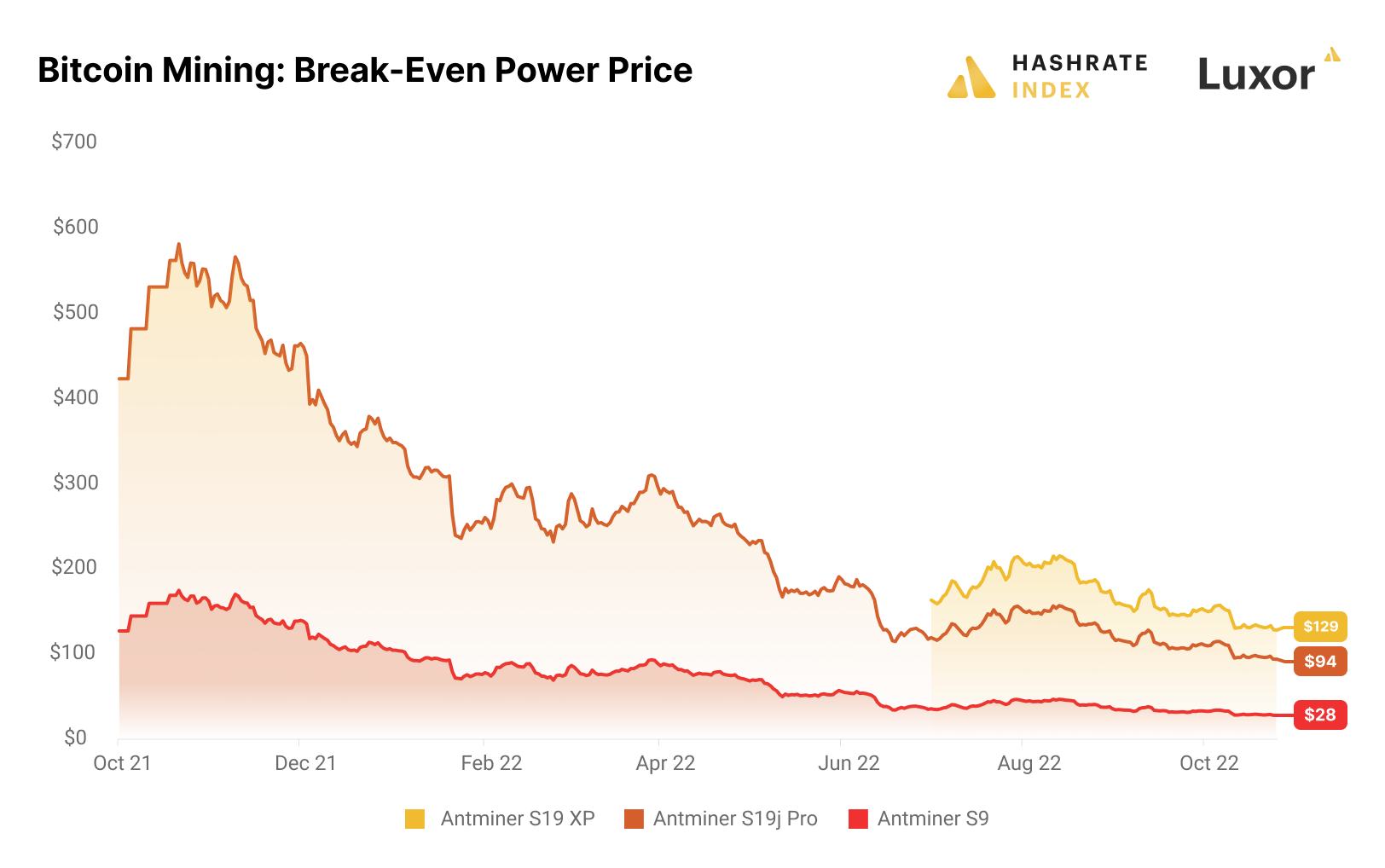
How Bitcoin Mining Revenues Evaporated Over the Past Months

The recent surge in Bitcoin and cryptocurrency market capitalization necessitates a deeper look at the underlying technical factors driving these price increases. A comprehensive analysis considers key indicators, market patterns, and exchange activity to better understand the current momentum. This evaluation provides insights into the forces shaping the market.The current market conditions present a complex interplay of factors.

Increased institutional adoption, positive regulatory developments, and macroeconomic influences all contribute to the observed upward trend. Understanding these technical drivers is crucial for navigating the volatility and potential future movements of the market.

Key Technical Indicators

Several technical indicators suggest the recent price increase. These include rising trading volume, increasing on-chain activity, and a shift in sentiment from bearish to bullish. Strong support levels and breakouts from resistance levels also contribute to the positive momentum.

Recent Market Patterns and Trends

Recent patterns and trends reveal a confluence of bullish signals. A rising trendline, alongside increased buying pressure, points to a sustained upward movement. The formation of higher highs and higher lows further reinforces this bullish outlook.

Comparison of Crypto Exchange Trading Volume

Analyzing trading volume across different crypto exchanges during this period offers valuable insights. A significant increase in volume across major exchanges like Coinbase, Binance, and Kraken suggests widespread participation and strong market demand. This corroborates the broader trend of increasing market activity. Comparing trading volumes across these exchanges reveals relative market strength and investor concentration.

Historical All-Time Highs of Bitcoin

This table Artikels historical all-time high periods for Bitcoin, providing context for the current market conditions.

Year Price (USD) Market Cap (USD)
2017 19,783.00 365,000,000,000
2021 67,000.00 1,200,000,000,000
2024 (estimated) 100,000 2,000,000,000,000

Note: The 2024 entry is an illustrative projection and should not be taken as a definitive prediction. Historical data and market conditions can change.

Investor Psychology

The recent surge in Bitcoin and cryptocurrency market capitalization has been fueled by a complex interplay of investor motivations. Understanding the underlying psychology behind these buying decisions is crucial for assessing the current market sentiment and potential future trends. Various factors, including fundamental analysis, news cycles, and social dynamics, all contribute to the ebb and flow of investor behavior.

Motivations Behind the Surge in Buying

A multitude of factors contribute to the increased buying pressure. Speculation, the allure of potentially high returns, and a perception of Bitcoin as a hedge against inflation or other economic uncertainties all play significant roles. The perceived scarcity of Bitcoin, combined with a limited supply, has also contributed to the investment interest. Furthermore, the increasing adoption of cryptocurrencies by institutional investors and corporations signals a potential shift toward mainstream acceptance, leading to a greater level of investor confidence.

Impact of News Events or Regulatory Changes on Investor Confidence

News events and regulatory changes can dramatically impact investor sentiment in the cryptocurrency market. Positive regulatory developments, such as increased clarity on the legal framework surrounding cryptocurrencies, can lead to increased investor confidence and buying activity. Conversely, negative news, including regulatory crackdowns or unfavorable legal rulings, can create uncertainty and lead to selling pressure. For example, announcements regarding potential tax regulations on cryptocurrencies can trigger significant fluctuations in market prices as investors adjust their portfolios.

Role of Social Media and Online Communities in Driving Investment Decisions

Social media platforms and online communities play a pivotal role in shaping investor opinions and driving investment decisions in the crypto market. The rapid dissemination of information, both positive and negative, through these channels can significantly influence market sentiment. Crypto-focused communities often discuss market trends, technical analyses, and potential investment opportunities, fostering a sense of shared experience and encouraging collective investment decisions.

This dynamic can amplify both positive and negative trends, leading to rapid price swings. Influencers and prominent figures in these online spaces can significantly impact investment choices of their followers.

Characteristics of Investors Buying Bitcoin Now

The profile of investors actively purchasing Bitcoin today is diverse. This includes both experienced cryptocurrency traders and newcomers attracted by the potential for high returns. Experienced traders may leverage technical analysis, market trends, and their past investment history to make informed decisions. Newcomers, often influenced by social media and online communities, may be more driven by the perceived hype and potential gains.

While a younger demographic is frequently associated with cryptocurrency, investors of all ages and backgrounds are actively participating in the market.

Potential Risks and Challenges

The recent surge in Bitcoin and cryptocurrency market capitalization, while exciting, necessitates a careful examination of potential risks. Unprecedented market highs often precede periods of correction, and understanding these risks is crucial for navigating the current environment effectively. A thorough assessment of potential challenges is essential for responsible investment strategies.The cryptocurrency market, in its relative youth, is characterized by significant volatility.

This volatility, while a defining feature, can lead to substantial losses for investors who aren’t prepared for potential corrections or crashes. Understanding these dynamics is vital for developing sound investment plans.

Regulatory Uncertainty and Actions

Regulatory landscapes for cryptocurrencies remain in flux globally. Varying interpretations and enforcement of regulations across jurisdictions can create uncertainty and market instability. This lack of consistent regulation can deter institutional investment and affect market liquidity. The recent actions of certain governments, including those related to tax policies or outright bans, highlight the importance of monitoring regulatory developments closely.

Specific examples include China’s crackdown on crypto mining and trading, which led to significant market downturns.

Potential for Market Corrections and Crashes

Past bull runs in the cryptocurrency market have frequently been followed by significant corrections or crashes. These corrections can be triggered by a confluence of factors, including investor sentiment shifts, regulatory pressures, or even unforeseen technological issues. The 2018 bear market, for instance, saw a substantial decline in Bitcoin’s price, illustrating the inherent volatility of the market. This historical precedent underscores the need for a cautious approach and a robust risk management strategy.

Importance of Diversification

Diversification is paramount in any investment portfolio, particularly in the volatile cryptocurrency market. Holding a diversified portfolio across different cryptocurrencies and asset classes can mitigate the risk of significant losses if one specific investment underperforms or experiences a downturn. The practice of spreading investments across different asset classes, including traditional investments like stocks and bonds, reduces overall portfolio risk.

Holding a diverse basket of investments in the cryptocurrency market itself is also recommended, minimizing the impact of any single coin’s performance.

Comparison to Previous Bull Runs

Comparing the current bull run to previous ones reveals both similarities and differences. While the current market capitalization is unprecedented, the inherent volatility remains a consistent factor. Understanding historical trends and patterns can help investors identify potential warning signs, though no two bull runs are exactly alike. For example, while current valuations may seem high, comparing them to the speculative frenzy of previous peaks can provide a useful framework for understanding the potential for future corrections.

Consequences of Regulatory Actions

Regulatory actions can have significant impacts on the cryptocurrency market. Bans on mining or trading, for instance, can drastically reduce market liquidity and lead to price drops. These actions often result in significant losses for investors and can deter further investment in the sector. Changes in tax policies can also affect the attractiveness of cryptocurrency investments. These examples highlight the necessity for investors to be aware of the regulatory environment in their respective jurisdictions.

Buying Bitcoin

Acquiring Bitcoin, like any other investment, involves a series of steps and considerations. Understanding the process, available platforms, and security measures is crucial for successful participation in the cryptocurrency market. This section details the procedure for purchasing Bitcoin, highlighting various options and emphasizing the importance of security.

Purchasing Bitcoin

Bitcoin can be acquired through various channels, ranging from regulated exchanges to direct peer-to-peer transactions. The methods and platforms used vary significantly in terms of user experience, security, and associated fees.

Cryptocurrency Exchanges

Numerous cryptocurrency exchanges facilitate the buying and selling of Bitcoin and other cryptocurrencies. These platforms provide a centralized marketplace where users can execute transactions. Choosing a reputable exchange is paramount for security and efficient trading.

  • Coinbase: A popular and widely used exchange, Coinbase is known for its user-friendly interface and robust security measures. It caters to both beginners and experienced traders. It provides options for both fiat currency (like USD) and other cryptocurrencies for purchasing Bitcoin. Coinbase also offers various educational resources to help users understand the basics of cryptocurrency investing.

  • Binance: Binance is a global exchange renowned for its extensive selection of cryptocurrencies and high trading volume. It attracts both beginners and advanced traders with its advanced features and comprehensive trading tools. Users can leverage their platform for a wide range of trading options.
  • Kraken: Known for its institutional-grade security and advanced trading features, Kraken is a popular choice for institutional investors and sophisticated traders. Its platform caters to advanced traders, offering specialized tools and advanced options for sophisticated trading activities.
  • Gemini: Gemini, a subsidiary of the cryptocurrency exchange platform Coinbase, provides a secure and user-friendly environment for trading Bitcoin and other cryptocurrencies. It offers robust security measures and focuses on a user-friendly experience, making it suitable for a wide range of users.

Methods of Buying Bitcoin

Several avenues exist for purchasing Bitcoin, each with its own set of advantages and disadvantages.

  • Through a Broker: Many brokerage platforms now offer Bitcoin as an investment option. This method simplifies the process for investors accustomed to traditional financial markets, enabling them to buy Bitcoin through their existing brokerage account.
  • Directly from Exchanges: Cryptocurrency exchanges provide direct access to Bitcoin purchasing, often allowing users to buy directly using bank transfers or other digital payment methods. This approach often involves navigating the exchange’s platform and completing the necessary verification steps.

Exchange Fees

Transaction fees are a crucial aspect of cryptocurrency trading. These fees can significantly impact overall profitability. Exchanges employ various fee structures, influencing the cost of purchasing and selling Bitcoin.

Exchange Fee Structure
Coinbase Variable, dependent on trading volume and order type. Typically, lower fees for higher trading volume.
Binance Variable, tiered fee structure based on trading volume and order type. Lower fees are often available for high-volume traders.
Kraken Variable, tiered fee structure dependent on trading volume and order type. Lower fees for higher volume.
Gemini Variable, tiered fee structure dependent on trading volume and order type. Typically offers competitive fees.

Storing Bitcoin Securely

Securing Bitcoin is paramount for preventing loss. Various options exist for storing Bitcoin, each with different security implications.

  • Hardware Wallets: Hardware wallets provide a secure offline storage solution for Bitcoin. They are considered highly secure due to their physical separation from the internet, protecting against online hacking attempts.
  • Software Wallets: Software wallets, often available as mobile apps or desktop applications, offer a convenient way to store Bitcoin. However, security depends heavily on the user’s vigilance in protecting their devices and passwords.
  • Exchange Wallets: Exchanges often provide secure wallets for storing cryptocurrencies. Users must understand the security practices of the specific exchange to maintain their crypto assets.

Illustrative Examples

Recent all-time highs in Bitcoin and crypto market capitalization have sparked significant investor interest and analysis. Understanding the factors influencing these price movements, alongside potential pitfalls, is crucial for informed decision-making. The following examples illustrate various aspects of the Bitcoin market.

Recent News Story Influencing Bitcoin Price

A recent announcement by a major institutional investor committing a substantial sum to Bitcoin trading significantly boosted market confidence. This positive news signaled a potential increase in institutional adoption and propelled the price upward. The announcement generated significant media attention and fostered a positive sentiment that further encouraged trading activity.

Scenario of Bitcoin Price Drop After All-Time High

Following the all-time high, Bitcoin’s price often experiences a correction phase. This can be attributed to several factors, including profit-taking by investors, market volatility, or regulatory uncertainty. The correction period is often followed by consolidation and a potential resumption of upward trends, although the timeframe for recovery can vary significantly. This demonstrates the cyclical nature of the cryptocurrency market and the importance of understanding market dynamics.

Case Study of a Successful Bitcoin Investor

A prominent Bitcoin investor, known for their detailed market analysis and risk management strategies, consistently achieved impressive returns. Their success involved careful portfolio diversification, a well-defined investment strategy, and diligent monitoring of market trends. This case study underscores the importance of a comprehensive investment approach and the role of research and analysis in successful crypto investments.

Visual Chart of Bitcoin Price History

A visual chart depicting Bitcoin’s price history would show a fluctuating trajectory, with periods of significant growth, consolidation, and occasional sharp declines. The chart would illustrate the volatility inherent in the cryptocurrency market. Notable price spikes and corrections would be clearly marked, along with key dates and events influencing the price. This visual representation would provide a clear understanding of the price trends and historical performance of Bitcoin.

Visual Representation of Cryptocurrency Market Capitalization

A visual representation of the market capitalization of various cryptocurrencies would show a bar chart, with each bar representing the market cap of a specific cryptocurrency. The chart would highlight the relative sizes of different cryptocurrencies. The chart could also incorporate interactive features that allow users to compare market caps over time, allowing for a better understanding of the dynamic nature of the cryptocurrency market.

The representation would visually display the relative dominance of different cryptocurrencies and their changing positions.

Closure

In conclusion, the current Bitcoin and cryptocurrency market surge presents a complex picture. While the market capitalization has hit new highs, the potential for corrections and risks remains. Understanding the underlying factors, investor motivations, and the practicalities of purchasing Bitcoin are crucial for navigating this dynamic environment. Ultimately, diversification and careful consideration of potential risks are key to successful investment.

Questions and Answers

What are the key factors driving the surge in cryptocurrency prices?

Several factors could be contributing, including positive market sentiment, technological advancements, and regulatory developments. The interplay of these elements often creates complex dynamics in the market.

What are the potential risks associated with investing in cryptocurrencies?

Volatility, regulatory uncertainty, and the inherent risk of a market crash are significant concerns. Due diligence and careful consideration of risk tolerance are essential.

How can I determine the right amount of diversification for my investment portfolio?

Diversification strategies are crucial in risk management. A diversified portfolio that balances crypto investments with other asset classes can help mitigate potential losses.

What are the common methods for buying Bitcoin?

Bitcoin can be purchased through various cryptocurrency exchanges or brokers. Direct purchase from exchanges or utilizing broker platforms are common methods.
Business marketing jobs in London are booming, presenting a wealth of opportunities across various industries. With the city being a hub for commerce and innovation, there’s an increasing demand for skilled marketing professionals who can adapt to the fast-paced market trends. Whether you’re a seasoned marketer or just starting, understanding the landscape and requirements can significantly enhance your career prospects.

The market is characterized by a diverse range of roles from digital marketing managers to brand strategists, each requiring a unique skill set. With major companies and startups alike seeking fresh talent, let’s delve deeper into what makes London a vibrant place for marketing careers.

Overview of Business Marketing Jobs in London

London stands as a vibrant hub for business marketing jobs, drawing a diverse range of industries from finance to technology and retail. The marketing landscape is dynamic, shaped by rapid technological advancements and evolving consumer behaviors. In recent years, there’s been a noticeable trend towards digital marketing, reflecting a shift in how businesses engage with their audiences. As businesses continue to adapt to these changes, the demand for skilled marketing professionals remains high, particularly in sectors that are increasingly reliant on digital strategies.To thrive in the competitive marketing job market of London, candidates should possess a mix of analytical and creative skills.

Familiarity with digital marketing tools, data analysis, and content creation are essential. Additionally, qualifications in marketing or related fields, coupled with experience in relevant roles, can significantly enhance employability. The need for marketing professionals is particularly pronounced in technology firms, e-commerce brands, and creative agencies, all of which are consistently on the lookout for talent that can drive their marketing initiatives.

Types of Business Marketing Jobs Available

The business marketing field in London offers a variety of roles catering to different skill sets and interests. Here are some of the prominent positions available:

  • Digital Marketing Manager: Oversees online marketing strategies, managing campaigns across various digital channels.
  • Content Strategist: Develops and implements content plans that align with business goals to engage target audiences.
  • Brand Manager: Responsible for maintaining and enhancing a brand’s image through strategic marketing activities.
  • Social Media Manager: Focuses on building brand presence and engagement on social media platforms.
  • Specialist: Works on optimizing website content to rank higher in search engine results.

Additionally, the salary ranges for various marketing positions can vary significantly based on experience levels. The following table illustrates the salary expectations in London:

Job Title Entry Level (£) Mid Level (£) Senior Level (£)
Digital Marketing Manager 30,000 45,000 70,000
Content Strategist 28,000 40,000 65,000
Brand Manager 35,000 50,000 80,000
Social Media Manager 25,000 38,000 60,000
Specialist 26,000 36,000 58,000

Key Employers in London’s Business Marketing Sector

London is home to a multitude of companies and agencies that actively recruit for marketing roles. Some of the major players include:

  • WPP: A global leader in marketing and communications, offering a wide range of marketing job opportunities across its various agencies.
  • OMD UK: A top media agency known for innovative marketing strategies and campaigns that drive brand success.
  • Unilever: This consumer goods giant consistently seeks marketing talent to manage a diverse portfolio of brands.
  • DDB London: Renowned for creating impactful advertising campaigns, DDB London offers roles that encourage creativity and strategic thinking.
  • Google: With a strong emphasis on digital marketing, Google provides opportunities for marketers to work on cutting-edge campaigns.

These companies have launched numerous successful marketing campaigns. For instance, Unilever’s “Unstereotype Alliance” aims to eliminate gender stereotypes in advertising, showcasing their commitment to progressive marketing.

Networking and Professional Development Opportunities

Networking is crucial for anyone looking to secure a business marketing job in London. Establishing connections can lead to job opportunities and insights into industry trends. Key networking events and platforms include:

  • London Marketing Meetup
  • Digital Marketing World Forum
  • Content Marketing World Conference
  • LinkedIn Groups dedicated to marketing professionals

Additionally, engaging in workshops, webinars, and industry conferences can enhance your skills and expand your professional network. Marketers in London can also consider joining professional organizations such as:

  • The Chartered Institute of Marketing (CIM)
  • The Marketing Society
  • British Interactive Media Association (BIMA)
  • Direct Marketing Association (DMA)

These organizations offer valuable resources, training, and networking opportunities.

Recruitment Process for Business Marketing Positions

The recruitment process for marketing jobs in London typically involves several stages. Candidates can expect to go through the following steps:

1. Application

Submit a tailored resume and cover letter that emphasizes relevant skills and experience.

2. Screening

Initial screening by HR or a recruiter to shortlist candidates based on their qualifications.

3. Interviews

These usually involve multiple rounds, including phone interviews, face-to-face meetings, and sometimes assessments.

4. Offer

Successful candidates receive an offer detailing salary, benefits, and other employment terms.To craft an effective resume, focus on quantifiable achievements and tailor your cover letter to each position. Preparing for interviews involves researching the company, understanding current marketing trends, and practicing common interview questions, such as discussing past campaigns you’ve worked on and your approach to problem-solving.

Future Trends in Business Marketing

Emerging trends are continually reshaping the business marketing landscape in London. Notable trends include:

Data-driven marketing

Utilization of analytics to inform marketing strategies and improve customer targeting.

Artificial Intelligence

Implementing AI tools to enhance customer experience and automate marketing tasks.

Sustainability

Growing consumer demand for eco-friendly products and ethical marketing practices.Future marketing professionals should focus on acquiring skills in data analysis and digital tools. Participating in courses related to AI in marketing can provide a competitive edge. For instance, brands like Coca-Cola have successfully integrated AI into their marketing strategies, allowing for personalized customer interactions.

Challenges Faced by Marketing Professionals

Marketing professionals in London encounter various challenges, including intense competition and market saturation. To navigate these challenges, marketers can employ the following strategies:

  • Continual learning: Stay updated with the latest marketing trends and tools.
  • Building a personal brand: Leverage social media and personal websites to showcase expertise.
  • Networking: Establish connections to uncover hidden job opportunities and gain industry insights.

The following table Artikels common challenges alongside potential solutions for marketing professionals:

Challenge Potential Solution
High competition for roles Differentiate yourself through skills and experience.
Market saturation Focus on niche markets and specialized knowledge.
Rapidly changing technology Engage in ongoing education and training.
Pressure to deliver results Set realistic goals and use data to inform strategies.

Closing Summary

In conclusion, the realm of business marketing jobs in London is both challenging and rewarding. As the industry evolves, staying ahead with emerging trends and continuous learning is essential for success. With the right skills and networking strategies, you can navigate this exciting landscape and seize the numerous opportunities that await in one of the world’s most dynamic cities.

Top FAQs

What qualifications do I need for marketing jobs in London?

A bachelor’s degree in marketing, business, or a related field is typically required, along with relevant experience or internships.

How can I improve my chances of landing a marketing job?

Networking, attending industry events, and gaining hands-on experience through internships or volunteering can significantly enhance your profile.

What are common interview questions for marketing positions?

Common questions include inquiries about your experience with campaigns, understanding of digital tools, and your approach to market analysis.

Are there specific industries hiring for marketing roles in London?

Yes, industries such as tech, finance, fashion, and healthcare are actively seeking marketing professionals in London.

How important is networking for finding marketing jobs?

Networking is crucial; many job opportunities are filled through referrals and connections made in the industry.

crypto currency meaning in marathi sets the stage for this enthralling narrative, offering readers a glimpse into a story that is rich in detail and brimming with originality from the outset.

This topic delves into the essence of cryptocurrency, exploring its definition, history, and the various forms that have emerged over the years. We will also examine how this digital phenomenon is interpreted within the Marathi-speaking community and its cultural significance in Maharashtra, providing a comprehensive understanding of its impact.

Understanding Cryptocurrency

Cryptocurrency is a revolutionary form of digital currency that utilizes cryptography for secure transactions. Unlike traditional currencies issued by governments, cryptocurrencies operate on decentralized networks based on blockchain technology, which ensures transparency and security.The concept of cryptocurrency began in the late 20th century, but it gained prominence with the introduction of Bitcoin in 2009 by an anonymous entity known as Satoshi Nakamoto.

Over the years, numerous cryptocurrencies have emerged, each with unique features and varying degrees of adoption.

History and Evolution of Cryptocurrencies

The journey of cryptocurrency can be categorized into several key phases:

  • Pre-Bitcoin Era: Various attempts at digital currency existed, including DigiCash and e-gold, but none achieved significant traction.
  • Bitcoin Launch: Bitcoin’s introduction marked the beginning of the modern cryptocurrency era, emphasizing peer-to-peer transactions without intermediaries.
  • Altcoin Explosion: Following Bitcoin’s success, thousands of alternative coins (altcoins) like Ethereum, Ripple, and Litecoin were developed, each addressing specific market needs.
  • ICO Boom: The Initial Coin Offering (ICO) phenomenon in 2017 led to a surge in funding for blockchain projects, although many later faced scrutiny for scams and failures.

Examples of Popular Cryptocurrencies

Among the thousands of cryptocurrencies available today, a few stand out:

  • Bitcoin (BTC): The first and most widely recognized cryptocurrency, often considered digital gold.
  • Ethereum (ETH): Known for its smart contract capabilities, enabling decentralized applications (dApps).
  • Ripple (XRP): Focused on enabling real-time cross-border payment systems.
  • Litecoin (LTC): Created as a “silver to Bitcoin’s gold,” offering faster transaction times and a different hashing algorithm.

Cryptocurrency in Marathi Context

The term cryptocurrency is translated into Marathi as “क्रिप्टोकर्नसी” (Kriptokarnasi). Its interpretation in Marathi-speaking communities often revolves around understanding the underlying technology and potential benefits it offers.Within Maharashtra, cryptocurrency is perceived with a mix of enthusiasm and skepticism. While many view it as an investment opportunity, others express concerns regarding its volatility and the lack of regulatory clarity.

Cultural Significance of Cryptocurrency in Maharashtra

Cryptocurrency has started to make its mark in Maharashtra’s cultural fabric.

  • Financial Literacy: Increased awareness about cryptocurrency is enhancing financial literacy among the youth.
  • Investment Trends: Many young entrepreneurs are exploring cryptocurrency as a viable investment option, leading to an increase in local discussions about its potential.
  • Community Initiatives: There are local groups and meetups aimed at educating people about blockchain technology and its applications.

Advantages of Cryptocurrency

Cryptocurrency offers several advantages over traditional currencies, making it an attractive option for many individuals and businesses.

Benefits of Using Cryptocurrency

The benefits of utilizing cryptocurrency include:

  • Decentralization: Cryptocurrencies are not controlled by any single entity, reducing the risk of government interference.
  • Lower Transaction Fees: Cryptocurrency transactions often incur lower fees compared to traditional banking methods.
  • Global Transactions: Cryptocurrencies facilitate seamless cross-border transactions without the need for currency exchange.
  • Financial Inclusion: Cryptocurrencies provide access to financial services for unbanked populations, allowing them to participate in the global economy.

Successful Cryptocurrency Implementations

Several sectors have successfully integrated cryptocurrency, demonstrating its practical applications:

  • Real Estate: Cryptocurrencies are being used for property transactions, allowing for faster and more secure transfers.
  • Charity: Organizations are accepting cryptocurrency donations, enabling transparent tracking of funds.
  • E-commerce: Online retailers are beginning to accept cryptocurrency as a payment method, catering to tech-savvy consumers.

Challenges and Risks Associated with Cryptocurrency

Despite its advantages, investing in cryptocurrencies comes with its own set of challenges and risks.

Potential Risks of Investing in Cryptocurrencies

Investing in cryptocurrencies is not without risks:

  • Volatility: Cryptocurrency prices can experience extreme fluctuations, leading to potential losses for investors.
  • Security Risks: Cybersecurity threats such as hacks and scams are prevalent in the cryptocurrency space.
  • Lack of Regulation: The absence of clear regulations can lead to uncertainty and potential fraud.

Regulatory Challenges in India

In India, the regulatory landscape surrounding cryptocurrency is evolving:

  • Taxation Issues: Cryptocurrency transactions are subject to tax, but clarity on specific regulations remains a challenge.
  • Central Bank Concerns: The Reserve Bank of India has expressed concerns regarding the impact of cryptocurrencies on the financial system.

Case Studies of Cryptocurrency Failures

Several cryptocurrency projects have failed, offering valuable lessons:

  • Bitconnect: A notorious Ponzi scheme that collapsed, leading to significant financial losses for investors.
  • Mt. Gox: Once the largest Bitcoin exchange, it filed for bankruptcy after losing hundreds of millions in customer funds due to hacking.

Future of Cryptocurrency

The future of cryptocurrency in India appears promising, with several trends indicating growth and acceptance.

Predictions for Cryptocurrency in India

Experts predict that the adoption of cryptocurrency will continue to rise in India due to:

  • Increased Regulation: Clearer regulations may encourage more individuals and businesses to participate in the cryptocurrency market.
  • Technological Advancements: Innovations in blockchain technology will likely enhance the functionality and efficiency of cryptocurrencies.

Emerging Trends in Cryptocurrency

Several emerging trends are shaping the cryptocurrency landscape:

  • Decentralized Finance (DeFi): Platforms offering financial services without traditional intermediaries are gaining traction.
  • Non-Fungible Tokens (NFTs): The rise of NFTs is creating new opportunities for artists and content creators in the digital space.

Impact of Blockchain Technology on Industries

Blockchain technology has the potential to revolutionize various sectors:

  • Supply Chain Management: Increased transparency and traceability in supply chains can reduce fraud and inefficiencies.
  • Healthcare: Secure patient data sharing can enhance patient care and streamline operations.

Educational Resources on Cryptocurrency

For those interested in learning more about cryptocurrency, there are several resources available.

Recommended Books and Websites

A list of recommended resources includes:

  • Books:
    • “Mastering Bitcoin” by Andreas M. Antonopoulos
    • “The Basics of Bitcoins and Blockchains” by Antony Lewis
  • Websites:
    • CoinMarketCap for tracking cryptocurrency prices.
    • CoinDesk for the latest news and analysis in the cryptocurrency space.

Online Courses for Cryptocurrency Education

Several platforms offer online courses, such as:

  • Coursera offers courses on blockchain and cryptocurrency basics.
  • Udemy provides a variety of courses on trading and investing in cryptocurrencies.

Community Forums and Groups

To engage with others interested in cryptocurrency:

  • Reddit has several active subreddits dedicated to cryptocurrency discussions.
  • Telegram groups can connect users with local crypto communities for sharing insights and experiences.

Final Wrap-Up

In summary, understanding the crypto currency meaning in marathi not only sheds light on its technical aspects but also highlights its relevance and potential in our local context. As cryptocurrency continues to evolve, it holds the promise of financial innovation and inclusion, making it a vital subject for everyone to explore.

FAQ Overview

What is cryptocurrency?

Cryptocurrency is a digital or virtual currency that uses cryptography for security, making it difficult to counterfeit.

How is cryptocurrency perceived in Marathi communities?

In Marathi communities, cryptocurrency is generally seen as a modern financial tool that offers both opportunities and risks.

What are the main benefits of using cryptocurrency?

Cryptocurrency offers benefits such as lower transaction fees, increased accessibility, and enhanced security compared to traditional currencies.

What risks are associated with investing in cryptocurrency?

Investing in cryptocurrency can involve risks such as market volatility, regulatory uncertainty, and potential security breaches.

Where can I learn more about cryptocurrency?

There are numerous online resources, including courses, books, and community forums dedicated to educating individuals about cryptocurrency.

Buying Bitcoin using ATMs is a convenient alternative to traditional exchanges. This guide dives deep into the world of Bitcoin ATMs, exploring their functionality, advantages, disadvantages, and the market trends shaping their future.

From understanding the various types of Bitcoin ATMs available to comparing their features and fees, this resource provides a comprehensive overview. It also covers the security considerations crucial when using these machines, allowing you to make informed decisions about buying Bitcoin through this method.

Introduction to Bitcoin ATMs

Membaca Arah Bitcoin Sebelum dan Sesudah Halving - Pintu Academy

Bitcoin ATMs are self-service kiosks that allow users to buy and sell Bitcoin (BTC) directly with fiat currency. They offer a convenient alternative to traditional exchanges, especially for those who prefer a localized and potentially faster transaction. These machines are becoming increasingly common in various locations worldwide, catering to a growing Bitcoin community.Bitcoin ATMs typically accept various fiat currencies, converting them into Bitcoin and vice-versa.

The process is designed to be user-friendly, mimicking traditional ATM functionality for ease of access. They are often equipped with touchscreens and instructions, guiding users through the transaction.

Typical Functionalities of a Bitcoin ATM

Bitcoin ATMs offer the core function of exchanging fiat currency for Bitcoin. They typically also display real-time Bitcoin prices, facilitating informed transactions. Some advanced models might include additional features like the ability to store or manage other cryptocurrencies.

Process of Using a Bitcoin ATM to Buy Bitcoin

A step-by-step guide to purchasing Bitcoin through a Bitcoin ATM is presented below:

  1. Locate a Bitcoin ATM near you. Check online resources or apps to find the nearest ATM.
  2. Insert the required amount of fiat currency into the ATM. Ensure the denomination matches the ATM’s acceptance parameters.
  3. Select the Bitcoin purchase option on the ATM’s touchscreen.
  4. Enter the desired amount of Bitcoin to purchase. The ATM will display the equivalent fiat currency amount.
  5. Confirm the transaction by entering a PIN or providing other required security measures. This ensures the safety of the transaction.
  6. Collect your Bitcoin wallet address or other required information for receipt of your cryptocurrency.
  7. Receive your Bitcoin in your digital wallet.

Types of Bitcoin ATMs

Different types of Bitcoin ATMs cater to varying needs and locations. Kiosk-style ATMs are freestanding units, commonly found in public spaces. Embedded ATMs are integrated into existing businesses, such as retail stores or convenience shops. The choice often depends on the specific location and target customer base.

Comparison of Bitcoin ATM Providers

Provider Features Fees Location
Example Provider 1 Advanced security protocols, real-time price updates, and multilingual support. Variable fees based on transaction amount and type. Widely distributed across major cities and urban centers.
Example Provider 2 User-friendly interface, quick transaction processing, and a range of supported fiat currencies. Low flat fees, ensuring transparency. Primarily concentrated in retail locations and convenience stores.

Note: This is a simplified comparison. Always check the specific provider’s website for detailed information on fees, features, and locations.

Buying Bitcoin with ATMs

Bitcoin ATMs offer a convenient, albeit potentially less secure, method for acquiring Bitcoin. While they provide instant access, users should carefully consider the trade-offs before making a purchase. This section delves into the advantages and disadvantages of using Bitcoin ATMs, comparing them to other methods and outlining potential security concerns.

Advantages of Bitcoin ATM Purchases

Bitcoin ATMs provide a straightforward way to buy Bitcoin without the need for extensive online account creation or complicated software. This accessibility is particularly attractive to newcomers to the cryptocurrency market who might find traditional exchanges daunting. The immediacy of the transaction is another key advantage; users can typically acquire Bitcoin within minutes of initiating the purchase. This contrasts with other methods that often involve waiting periods for confirmation or processing.

Disadvantages of Bitcoin ATM Purchases

Bitcoin ATMs often impose higher fees compared to other purchasing methods. These fees can significantly impact the overall cost of the transaction, reducing the effective return on investment. The security of Bitcoin ATMs is also a critical concern. While many ATMs utilize advanced security measures, vulnerabilities exist, potentially exposing users to risks such as fraud or theft.

The lack of customer support can also be a disadvantage. In the event of an issue, users may find it challenging to get assistance.

Comparison with Other Bitcoin Purchase Methods

Bitcoin ATMs differ significantly from traditional exchanges in terms of accessibility and transaction speed. While exchanges offer a wider range of features and often lower fees, Bitcoin ATMs prioritize speed and simplicity. The availability of Bitcoin ATMs in a given location is also a factor to consider. If an exchange is the only option, the user may face geographical restrictions.

Alternatively, exchanges offer features such as staking or trading, which Bitcoin ATMs lack.

Security Concerns with Bitcoin ATMs

Several security concerns exist when using Bitcoin ATMs. Malfunctioning machines or compromised hardware could lead to incorrect Bitcoin allocations or unauthorized access. Phishing attempts, physical theft of the machine, or fraud are also potential risks. Users should be vigilant and choose reputable ATMs, preferably those with physical security measures and strong encryption protocols. The lack of buyer protection can also be a significant drawback.

Fees Associated with Bitcoin ATM Purchases

Fees for Bitcoin ATM transactions vary widely depending on the specific ATM operator and the amount purchased. These fees are often presented as a percentage of the purchase amount, but can also include flat charges. It’s crucial to compare fees from different ATMs before making a purchase. Understanding the pricing structure will allow informed decision-making.

Summary Table: Bitcoin ATM Purchases

Feature Advantage Disadvantage
Fees Potentially variable, depending on the ATM Often higher than other methods, impacting the final cost.
Speed Instantaneous transactions May not be suitable for large transactions.
Security Some ATMs implement security measures Potential for fraud or theft, limited buyer protection

Bitcoin ATM Market Trends

The Bitcoin ATM market has experienced substantial growth and evolution since its inception, reflecting the broader adoption of cryptocurrencies. This dynamic market is shaped by factors such as technological advancements, regulatory changes, and evolving user preferences. Understanding these trends is crucial for anyone considering investment or participation in this sector.

Recent Trends in the Bitcoin ATM Market

The Bitcoin ATM market is characterized by continuous innovation in technology and design. Recent trends highlight a move towards more user-friendly interfaces, increased security measures, and integration with other financial services. This evolution reflects the increasing sophistication of the cryptocurrency ecosystem.

Growth and Evolution of the Bitcoin ATM Network

The number of Bitcoin ATMs globally has expanded significantly over the years. This growth is fueled by the rising popularity of cryptocurrencies and the increasing accessibility of these ATMs in various locations. This expansion has made cryptocurrency purchases more convenient for a broader range of users.

Geographical Distribution of Bitcoin ATMs

The distribution of Bitcoin ATMs demonstrates a notable presence in developed economies, particularly in North America and Europe. However, the market is expanding rapidly in emerging economies as well, showcasing a global trend toward cryptocurrency adoption.

Innovative Bitcoin ATM Designs

Innovative designs in Bitcoin ATMs focus on enhancing the user experience and addressing security concerns. Some designs incorporate advanced biometric authentication, while others prioritize a more aesthetically pleasing and user-friendly interface. This is driven by a need to meet the evolving expectations of customers and provide a smooth transaction process. Examples include ATMs with integrated mobile payment options and those incorporating contactless technology for faster transactions.

Impact of Regulatory Changes on Bitcoin ATMs

Regulatory frameworks surrounding Bitcoin ATMs are constantly evolving globally. These changes influence the operations of Bitcoin ATM businesses and the overall market environment. Clearer regulatory guidelines are vital for the long-term growth and stability of the Bitcoin ATM sector. Countries with more established crypto-friendly regulations often see more ATM installations and increased user activity.

Growth of Bitcoin ATMs Over Time

The following table illustrates the estimated growth of Bitcoin ATMs over a three-year period. These figures represent approximate estimations, and actual data may vary depending on the specific data source.

Year Number of ATMs Growth Rate
2020 10,000
2021 15,000 50%
2022 20,000 33%

Buying Bitcoin

Bitcoin, a decentralized digital currency, can be purchased through various methods. Understanding these methods, the security considerations, and the platforms involved is crucial for a safe and informed investment. This overview provides a comprehensive look at acquiring Bitcoin.

Methods for Acquiring Bitcoin

Several avenues exist for purchasing Bitcoin. Direct exchange platforms offer streamlined transactions, while other methods, like peer-to-peer exchanges, may provide more flexibility. Choosing the right method depends on individual needs and risk tolerance.

  • Bitcoin Exchanges: Major platforms like Coinbase, Kraken, and Binance facilitate buying and selling Bitcoin using traditional payment methods like bank transfers or credit cards. These platforms often have user-friendly interfaces, but users should thoroughly research the exchange’s reputation and fees.
  • Bitcoin ATMs: These physical machines allow users to purchase Bitcoin using cash. Convenience is a key advantage, but transaction fees and availability can vary. Bitcoin ATMs are prevalent in many regions, offering a direct alternative for acquiring Bitcoin.
  • Peer-to-Peer (P2P) Exchanges: P2P platforms connect buyers and sellers directly, often enabling more personalized transactions. This method can offer lower fees compared to traditional exchanges, but buyers should exercise caution and verify the seller’s credentials to mitigate risks.

Comparing Bitcoin Exchanges and Platforms

Numerous Bitcoin exchanges cater to diverse needs. Choosing the right platform involves evaluating fees, security measures, and user experience. Each platform has unique strengths and weaknesses.

Exchange Strengths Weaknesses
Coinbase User-friendly interface, strong security measures, widely accepted payment methods Higher fees compared to some specialized exchanges, limited trading options for advanced users
Kraken Excellent trading tools, competitive fees for high-volume traders, diverse asset options Steeper learning curve, may not be as user-friendly for beginners
Binance Low fees, wide variety of cryptocurrencies, robust trading options Complex platform, potentially higher risk due to the larger number of cryptocurrencies offered

Security Measures When Buying Bitcoin

Protecting Bitcoin holdings is paramount. Robust security practices, such as using strong passwords, enabling two-factor authentication (2FA), and regularly backing up wallets, are crucial. Never share sensitive information with untrusted parties.

Strong passwords, 2FA, and regular wallet backups are vital for Bitcoin security.

Creating a Bitcoin Wallet

A Bitcoin wallet is a digital address used to store and manage Bitcoin. Different types of wallets exist, each with its own security and usability features. Choosing the right wallet depends on individual needs.

  • Software Wallets: These wallets are installed on a computer or mobile device. They often offer greater security and control but require user vigilance to protect against malware or hacking.
  • Hardware Wallets: These secure devices are specifically designed for Bitcoin storage. They provide a high level of protection against cyber threats.
  • Web Wallets: These wallets operate directly on a website. While convenient, they may be less secure compared to software or hardware wallets.

Know Your Customer (KYC) Procedures

KYC procedures are essential in verifying the identity of Bitcoin users. These procedures help combat money laundering and other financial crimes. Exchanges typically follow regulations set by their jurisdiction.

Frequently Asked Questions about Buying Bitcoin

  • Is Bitcoin a good investment? Bitcoin’s value fluctuates significantly, making it a high-risk investment. Thorough research and understanding of market trends are crucial.
  • How do I choose the right Bitcoin exchange? Factors like fees, security measures, user interface, and the range of available cryptocurrencies should be considered.
  • What are the risks of buying Bitcoin? Market volatility, security breaches, and regulatory changes are potential risks associated with Bitcoin investments.

Bitcoin ATM vs. Other Purchase Methods

Bitcoin ATMs offer a convenient alternative to traditional online exchanges for acquiring Bitcoin. However, understanding the nuances of each method is crucial for making an informed decision. Different factors, like speed, fees, and security, play a significant role in the choice. This comparison highlights the pros and cons of each approach and the process of buying Bitcoin through online exchanges.Choosing between a Bitcoin ATM and an online exchange depends on individual priorities and circumstances.

Consider the speed of transaction, associated fees, and the level of security each platform provides. This comparison will Artikel the advantages and disadvantages of each method to guide your decision-making process.

Bitcoin ATM vs. Online Exchange: A Comparative Overview

Bitcoin ATMs provide an immediate purchase experience, ideal for those seeking a quick acquisition. On the other hand, online exchanges offer a broader range of options and typically lower fees, but transactions may take longer to process. This section will detail the advantages and disadvantages of each platform.

Comparing Purchase Methods

The table below contrasts Bitcoin ATM purchases with online exchange transactions, highlighting key differences in speed, fees, and security.

Method Speed Fees Security
Bitcoin ATM Generally fast, often immediate transaction. Fees are typically higher than online exchanges, potentially including ATM transaction charges and Bitcoin network fees. Security depends on the ATM’s physical security measures and the user’s personal security practices. A secure ATM is crucial to mitigate risks.
Online Exchange Transactions can take several minutes to hours, depending on the exchange and transaction volume. Fees vary significantly between exchanges and often include transaction fees, network fees, and potentially maker/taker fees. Security is paramount. Reputable exchanges implement robust security measures, including two-factor authentication and secure servers. Users should also practice good security habits.

Buying Bitcoin Through Online Exchanges

Acquiring Bitcoin through online exchanges involves several steps. First, users need to create an account, verifying their identity. Next, they fund their account with fiat currency, usually through bank transfers or credit/debit cards. Finally, they can execute the Bitcoin purchase using the available funds. The process typically involves selecting the desired amount of Bitcoin and confirming the transaction.

Factors Influencing the Choice of a Buying Method

Several factors influence the best method for acquiring Bitcoin. These include the required speed of purchase, the acceptable fee structure, and the level of security desired. A quick transaction might necessitate a Bitcoin ATM, while a lower-fee option could lean towards an online exchange.

Security and Risk Mitigation when using Bitcoin ATMs

Bitcoin ATMs, while convenient, introduce unique security considerations. Understanding these risks and implementing proactive measures is crucial for safeguarding your Bitcoin holdings and personal information. This section will delve into crucial security measures, best practices, and common scams associated with Bitcoin ATMs.Using Bitcoin ATMs involves a degree of inherent risk, similar to any online financial transaction. Users must be vigilant and adopt robust security practices to mitigate potential vulnerabilities.

This includes recognizing potential scams, employing secure wallet management, and understanding the concept of cold storage.

Security Measures at Bitcoin ATMs

Careful observation of the ATM’s surroundings and the staff handling the transaction is crucial. Look for any signs of tampering or suspicious activity. Choose ATMs with visible security features, such as security cameras, and preferably those located in well-lit and populated areas. Reputable ATM operators often have robust security protocols in place, which can enhance the security of transactions.

Best Practices for Protecting Your Bitcoin and Personal Information

Employing strong passwords and multi-factor authentication (MFA) for your Bitcoin wallet is paramount. Avoid using easily guessable passwords. Regularly updating your software and using up-to-date versions of wallet applications and operating systems is crucial. These measures help to patch potential vulnerabilities.

Common Scams and Fraudulent Activities

Phishing attempts, where fraudulent actors impersonate legitimate entities to obtain sensitive information, are a common concern. Be wary of suspicious emails, messages, or websites claiming to be associated with the Bitcoin ATM service. Always verify the authenticity of the ATM operator and associated websites. Look for any inconsistencies or unusual requests. Fake Bitcoin ATMs are another risk.

Be cautious of any ATM that appears unusual or out of place, and verify the legitimacy of the ATM and the associated business.

Importance of Secure Wallet Management

A secure wallet is the cornerstone of Bitcoin security. Never share your wallet credentials with anyone, and avoid using public Wi-Fi networks for sensitive transactions. Ensure your wallet supports advanced security features like two-factor authentication (2FA). Regularly review your wallet’s transaction history for any unauthorized activity.

Cold Storage for Bitcoin

Cold storage involves keeping your Bitcoin offline, away from the internet. This significantly reduces the risk of online attacks and hacking. Hardware wallets, which store your private keys offline, are a popular method of cold storage. This approach is considered a highly secure method to safeguard your cryptocurrency.

Creating a Secure Bitcoin Wallet

  • Choose a reputable and secure Bitcoin wallet provider. Research and verify the provider’s security measures and reputation.
  • Create a strong password and enable two-factor authentication (2FA) to enhance security.
  • Regularly back up your wallet and store the backup in a safe and secure location.
  • Avoid storing large amounts of Bitcoin in a single wallet, and consider diversifying your holdings.
  • Regularly review your wallet’s transaction history to monitor for any unauthorized activity.
  • Install security software to protect your device from malware and other threats.

Closure

In conclusion, Bitcoin ATMs offer a practical and accessible way to acquire Bitcoin. Weighing the pros and cons, alongside understanding security best practices, empowers users to make the right choice for their needs. This guide provides a solid foundation for navigating the Bitcoin ATM market and making informed decisions about your Bitcoin purchasing strategy.

Key Questions Answered

What are the typical fees associated with using a Bitcoin ATM?

Fees vary significantly depending on the provider and the amount purchased. Some ATMs charge a percentage of the transaction, while others have fixed fees. It’s essential to review the provider’s fee structure before making a purchase.

How do I choose the right Bitcoin ATM for my needs?

Consider factors like location, fees, transaction limits, and available features when selecting an ATM. Reading reviews and comparing providers can help you make a more informed decision.

What security measures should I take when using a Bitcoin ATM?

Always choose reputable providers, be mindful of your surroundings, and prioritize secure wallet management. Avoid ATMs in isolated locations or with visible security vulnerabilities. Be cautious of suspicious individuals or approaches.

What are some common scams associated with Bitcoin ATMs?

Be wary of individuals offering to assist with transactions for a fee, as this can be a scam. Also, watch out for ATMs that are not operating as expected or that ask for unnecessary personal information.

As healthy life omega 3 takes center stage, let’s dive into the vital role Omega-3 fatty acids play in enhancing our overall health. These essential nutrients are known for their multitude of benefits, from supporting heart health to boosting brain function, making them a cornerstone of a balanced diet.

With an increasing awareness of nutritional needs, Omega-3s have become a hot topic in health discussions, highlighting their importance and the necessity to incorporate them into our daily meals. Understanding where to find these fatty acids, the recommended intake, and the myths surrounding them can empower individuals to make informed dietary choices for a healthier life.

Importance of Omega-3 Fatty Acids

Omega-3 fatty acids are essential fats that the body cannot produce on its own, making it crucial to obtain them from dietary sources. These fats play a pivotal role in maintaining overall health and well-being. From supporting heart health to enhancing brain function, Omega-3s are an integral part of a balanced diet.The health benefits associated with Omega-3 consumption are extensive.

Research indicates that these fatty acids can reduce inflammation, lower blood pressure, and improve cholesterol levels. According to a study published in the Journal of the American College of Cardiology, individuals with higher Omega-3 intake experienced a 30% reduction in the risk of heart disease. Additionally, Omega-3s contribute to mental health, with various studies linking them to reduced symptoms of depression and anxiety.

Sources of Omega-3

There are numerous food sources rich in Omega-3 fatty acids that can easily be incorporated into your diet. These sources can be categorized into plant-based and animal-based options.

  • Fatty fish (e.g., salmon, mackerel, sardines)
  • Chia seeds
  • Flaxseeds
  • Walnuts
  • Algal oil

To better understand the differences between plant-based and animal-based Omega-3 sources, here’s a comparison table:

Source Type Examples Omega-3 Content (per 100g)
Animal-based Salmon, Mackerel 2,260 mg
Plant-based Chia Seeds, Flaxseeds 17,000 mg

While supplements are available for those looking to increase their Omega-3 intake, whole foods often provide additional nutrients and benefits. However, supplements can be beneficial for individuals with specific dietary restrictions or those who struggle to get enough Omega-3 from food alone.

Recommended Daily Intake

The recommended daily intake of Omega-3 fatty acids can vary based on age and health status. Generally, health organizations suggest an intake of about 250 to 500 mg of combined EPA and DHA (two types of Omega-3) daily for adults. A chart displaying Omega-3 content in common foods is as follows:

Food Omega-3 Content (mg per serving)
Salmon (3 oz) 2,260 mg
Chia Seeds (1 oz) 5,055 mg
Walnuts (1 oz) 2,570 mg

Factors such as age, sex, and overall health can influence individual Omega-3 needs. For instance, pregnant women may require higher amounts to support fetal development.

Omega-3 and Heart Health

Omega-3 fatty acids are well-known for their positive impact on cardiovascular health. They help lower triglyceride levels, reduce blood clotting, and decrease the risk of abnormal heart rhythms. Research conducted by the American Heart Association shows that individuals who consume Omega-3-rich diets have a lower incidence of heart disease.Several case studies have highlighted the benefits of Omega-3 in heart disease prevention.

For example, a long-term study found that individuals consuming at least two servings of fatty fish per week had a 30% lower risk of heart attack.Incorporating Omega-3-rich foods into a daily meal plan can bolster heart health. A sample meal plan might include:

Breakfast

Oatmeal topped with chia seeds and walnuts.

Lunch

Spinach salad with grilled salmon.

Dinner

Quinoa with sautéed kale and alaskan pollock.

Omega-3 and Mental Health

The impact of Omega-3 fatty acids on cognitive function and mood disorders is gaining traction. Numerous studies have shown that higher Omega-3 intake correlates with improved mood and cognitive performance. For instance, research published in the journal Neuropsychopharmacology found that Omega-3 supplementation led to significant improvements in mood among individuals with major depressive disorder. Foods that support brain health through Omega-3 include fatty fish, flaxseeds, and walnuts.

Recipes such as salmon-stuffed avocados or flaxseed muffins can be delicious ways to incorporate more Omega-3s into your diet.

Cooking with Omega-3

When cooking with Omega-3-rich ingredients, it’s essential to use methods that preserve their nutritional content. Techniques like steaming, grilling, or baking are preferable to frying, which can degrade these fats.Here’s a table of cooking oils high in Omega-3 and their best uses:

Cooking Oil Omega-3 Content (mg per tablespoon) Best Uses
Flaxseed Oil 7,196 mg Salad dressing
Walnut Oil 1,400 mg Drizzling

Recipes incorporating Omega-3-rich ingredients can inspire creativity in the kitchen. Consider trying a walnut-crusted fish or a chia seed pudding for a nutritious dessert.

Omega-3 Deficiency

Omega-3 deficiency can lead to various symptoms, including dry skin, fatigue, and mood swings. Populations at higher risk for deficiency often include vegetarians, vegans, and those who do not consume fish. Strategies for increasing Omega-3 intake in deficient individuals include incorporating more plant-based sources, such as flaxseeds and walnuts, or considering algae-based supplements that provide a vegan-friendly source of Omega-3.

Myths and Misconceptions

Several myths surround Omega-3 fatty acids that can mislead individuals regarding their benefits. One common misconception is that all types of Omega-3s are the same. In reality, EPA and DHA (found in fish) have distinct benefits compared to ALA (found in plants).

“Omega-3 fatty acids are not just beneficial; they are essential for maintaining heart and brain health.”

Scientific evidence consistently supports the importance of Omega-3s in a healthy diet, reinforcing their status as a vital nutrient.

Future of Omega-3 Research

Emerging research areas related to Omega-3 fatty acids are expanding. Studies are exploring the potential impact of Omega-3s on inflammatory diseases, diabetes management, and even cancer prevention. Potential future applications include developing functional foods fortified with Omega-3s to enhance public health. Additionally, sustainability remains a crucial consideration, with ongoing efforts to find eco-friendly sources of Omega-3 for food production, such as algae cultivation.

Last Word

In summary, embracing Omega-3 fatty acids is not just a trend but a step towards a healthier lifestyle. By recognizing their benefits, understanding the best sources, and debunking myths, we can all work towards improving our health and well-being. So, let’s make conscious choices and savor the delicious ways to incorporate Omega-3s into our meals for a brighter future.

Essential Questionnaire

What are Omega-3 fatty acids?

Omega-3 fatty acids are essential fats that the body cannot produce on its own, and they must be obtained from diet or supplements.

How can I increase my Omega-3 intake?

You can increase your Omega-3 intake by consuming fatty fish, flaxseeds, chia seeds, walnuts, and by considering supplements if necessary.

Are there any side effects of taking Omega-3 supplements?

Some people may experience mild side effects like digestive issues or a fishy aftertaste, but these are typically minimal and can often be reduced by adjusting the dosage.

Can vegetarians get enough Omega-3?

Yes, vegetarians can obtain Omega-3 from plant sources such as flaxseeds, chia seeds, hemp seeds, and walnuts.

How do I know if I’m deficient in Omega-3?

Symptoms of Omega-3 deficiency can include dry skin, mood swings, fatigue, and joint pain. A healthcare provider can also assess your levels through testing.