April 18, 2026

Year: 2025

Branding iron management sets the stage for an enthralling exploration of how this age-old tool continues to play a pivotal role in modern branding. It’s not just about marking products; it’s about creating a lasting impression that resonates with customers. This overview dives into the significance of branding irons, their diverse applications across industries, and the impact they have on customer loyalty and perception.

From understanding the various types of branding irons to best practices for their management, every aspect reveals how these tools contribute to a cohesive brand identity. Whether it’s the craftsmanship involved in their creation or the thoughtful design reflecting a company’s ethos, branding irons are integral in weaving a narrative that captivates and retains customer interest.

Branding Iron Management Overview

Branding Iron Management is a strategic approach to creating and maintaining a brand’s identity in the marketplace. This concept revolves around the idea of using a “branding iron” as a metaphor for the tools and techniques employed to establish a brand’s presence and influence. Effective branding iron management not only defines how a brand is perceived but also shapes customer loyalty and engagement.The role of branding irons in creating a brand identity is crucial.

They serve as the instruments through which businesses communicate their values, mission, and personality. Branding irons can include elements such as logos, color palettes, taglines, and overall visual aesthetics that represent the brand. Each of these components contributes to a cohesive brand identity that resonates with consumers, making it easier for them to recognize and connect with the brand emotionally.

Impact of Effective Branding Iron Management on Customer Perception and Loyalty

Understanding the influence of branding iron management on customer perception is vital for any business aiming for long-term success. Effective branding creates a distinct image that consumers can relate to, fostering feelings of trust and loyalty. A strong brand identity not only differentiates a company from its competitors but also establishes an emotional connection with its audience, thereby influencing their purchasing decisions.The importance of effective branding can be highlighted through specific points:

  • Consistency Across Channels: Maintaining a consistent brand message across various platforms ensures that customers receive the same experience regardless of where they encounter the brand. This consistency builds trust and reinforces the brand’s identity.
  • Emotional Engagement: Brands that effectively manage their branding iron can evoke emotions in their customers. For instance, brands like Apple and Nike successfully create a sense of belonging and aspiration, which enhances loyalty.
  • Brand Recognition: A well-managed brand is easily recognizable. For example, the golden arches of McDonald’s are instantly associated with fast food, demonstrating the power of visual branding in customer recall.
  • Customer Advocacy: When customers resonate with a brand’s identity, they are more likely to advocate for it. This means they will recommend the brand to others, creating organic growth through word-of-mouth.

“Effective branding is about creating a lasting impression that resonates with consumers and builds loyalty over time.”

The examples of successful companies highlight the significance of branding iron management. Companies like Coca-Cola have mastered this by maintaining consistency in their messaging and visuals while also adapting to contemporary cultural contexts. By continuously managing their branding elements, they cultivate a loyal customer base that feels connected to the brand’s story and values.

Types of Branding Irons

Branding irons are essential tools across various industries, each tailored to meet specific branding needs. They come in different forms, materials, and technologies, catering to a wide range of applications from livestock marking to food branding. Understanding the types of branding irons available helps businesses choose the right tool for their branding practices.The production of branding irons employs several materials and technologies, which impact their effectiveness and durability.

Common materials include steel, brass, and copper, each offering distinct benefits. Steel branding irons are known for their durability, while brass and copper are often favored for their heat retention properties. Advances in technology have also led to the use of electric branding irons, which provide consistent heat and reduce the time required for branding.

Common Types of Branding Irons

There are various types of branding irons used across different industries, each designed for specific applications. Below are the most common types along with their applications:

  • Hot Branding Irons: Traditionally made from metal and heated, these branding irons create a permanent mark on wood, leather, and animal hides. They’re widely used in livestock industries for marking cattle and horses.
  • Cold Branding Irons: These utilize extreme cold to create a mark, often employed in livestock branding as it reduces pain for the animal. They are made from materials such as steel that can withstand low temperatures.
  • Electric Branding Irons: These are electrically heated and allow for precise temperature control, making them ideal for branding food products. They are popular in the restaurant business for branding burgers, steaks, and other meats.
  • Custom Branding Irons: Tailored for specific logos or designs, these can be created in various shapes and sizes. They are used in crafts and artisanal products to personalize items like woodwork or leather goods.

Materials Used in Branding Irons

The choice of materials for branding irons significantly influences their performance and application. The most commonly used materials include:

  • Steel: Known for its durability and strength, steel is often used for hot branding irons. It can withstand high temperatures without deforming, making it ideal for livestock and manufacturing uses.
  • Brass: Used primarily for electric branding irons, brass provides excellent heat retention and allows for consistent branding temperatures.
  • Copper: Often employed in custom branding irons due to its ability to conduct heat efficiently. Copper branding irons can create clear impressions on various surfaces.

Examples of Branding Irons by Industry

Different industries utilize branding irons in unique ways, tailoring their designs and materials to meet specific needs. Here are some notable examples:

  • Food Industry: Restaurants may use branding irons with custom logos to imprint their brand on burgers or hot meals, enhancing presentation and brand recognition.
  • Agriculture and Livestock: Ranchers often use hot branding irons for cattle, which helps in identification and ownership verification. Cold branding is also preferred to minimize discomfort to the animals.
  • Craft and Artisanal Products: Crafters use custom branding irons to add a personal touch to handcrafted items, such as leather goods or wooden furniture, ensuring brand visibility and uniqueness.

Best Practices for Branding Iron Management

Maintaining branding irons is crucial for any business that uses them, as the quality of branding directly affects the brand image. By implementing effective practices, you can ensure the longevity of your branding tools, streamline your branding iron management, and provide thorough training to your staff for proper usage.

Strategies for Maintaining and Caring for Branding Irons

Proper care of branding irons is essential to preserve their effectiveness and ensure they last for many uses. Regular maintenance helps in preventing rust and damage, which can affect the quality of the brand it leaves behind. Here are some key practices for maintaining and caring for branding irons:

  • Clean after each use: Always clean branding irons immediately after use to remove residue. A soft cloth or brush can help remove any burnt material that may cling to the surface.
  • Store properly: Store branding irons in a dry place, ideally in a cotton bag or a protective case to prevent moisture and dust accumulation.
  • Check for damage: Regularly inspect branding irons for any signs of wear or damage. Addressing issues early can save costs and ensure the branding remains clear and sharp.
  • Oil the surface: Apply a light coat of machine oil on the branding surface after cleaning to prevent rust and maintain its finish.

Creating and Implementing a Branding Iron Management Plan

A well-defined branding iron management plan is vital for any business using these tools. It ensures consistency in branding practices and streamlines operational efficiency. Key steps to create and implement this plan include:

  • Inventory assessment: Start by conducting an inventory of all branding irons, including their condition and usage frequency.
  • Establish protocols: Develop protocols that Artikel how branding irons should be used, cleaned, and stored. This ensures every team member follows the same procedures.
  • Assign responsibility: Appoint a specific individual or team responsible for overseeing the maintenance and management of branding irons, ensuring accountability.
  • Regular reviews: Schedule regular audits of branding iron usage and condition, making adjustments to the management plan as needed.

Training Staff on Proper Use and Handling of Branding Irons

Training staff on the correct use and handling of branding irons is critical for maintaining quality control and minimizing accidents. Effective training programs should cover the following areas:

  • Demonstration of use: Conduct hands-on demonstrations showing the correct way to operate branding irons to avoid mishaps and achieve the desired branding quality.
  • Safety protocols: Train staff on safety measures, including wearing appropriate protective equipment and handling hot branding irons correctly to prevent burns.
  • Maintenance procedures: Educate staff on maintenance processes, such as cleaning routines and storage practices, to ensure the longevity of the branding irons.
  • Feedback system: Implement a feedback system where staff can share their experiences and suggestions regarding branding iron usage, fostering a culture of continuous improvement.

Branding Iron Design and Customization
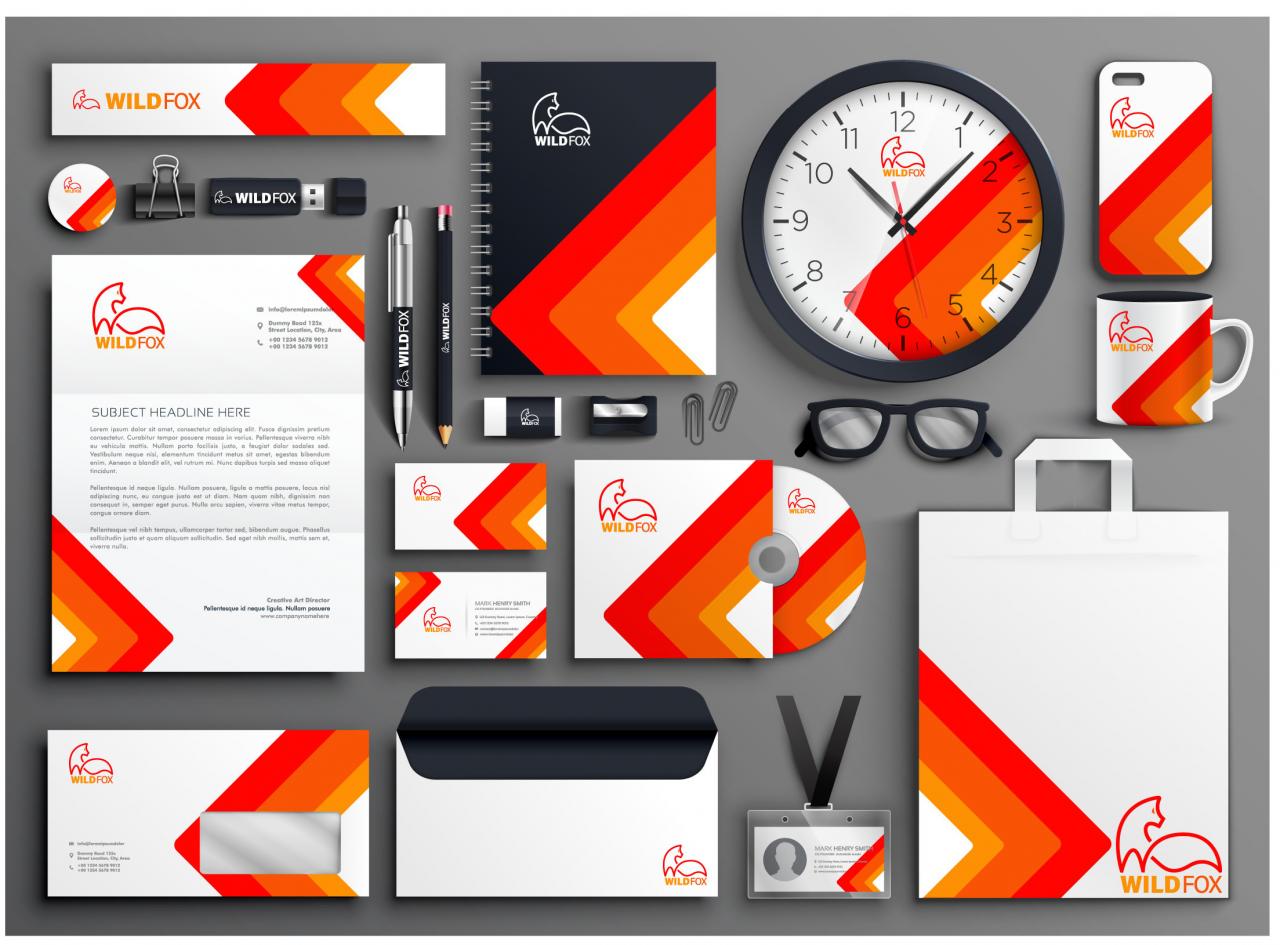
Corporate Branding Identity | ubicaciondepersonas.cdmx.gob.mx

Custom branding iron designs play a critical role in reinforcing a company’s identity and values. A unique branding iron not only serves a functional purpose but also communicates a brand’s mission and ethos at a glance. This alignment between design and brand identity ensures that even the simplest of markings can leave a lasting impression on customers and stakeholders.The design process for branding irons involves several key considerations, including size, shape, material, and logo integration.

These elements must cohesively reflect the brand’s personality while ensuring practicality and usability. A well-planned design can enhance the branding experience, making it memorable and effective.

Importance of Custom Branding Iron Designs

Creating a branding iron that embodies a company’s values is essential for establishing a strong market presence. A custom design can convey messages about quality, craftsmanship, and commitment to the brand’s mission. Here are some vital points highlighting the significance of personalized branding iron designs:

  • Visual Identity:

    Custom designs reinforce a company’s visual identity, making the brand more recognizable.

  • Emotional Connection:

    Unique designs resonate with customers, fostering loyalty and emotional connections.

  • Brand Differentiation:

    Custom branding irons set a brand apart from competitors, showcasing its uniqueness.

  • Professionalism:

    High-quality, tailored branding irons reflect professionalism and attention to detail.

Design Process for Branding Irons

The design process of a branding iron requires a careful approach to ensure that all elements align with the company’s image and values. Several factors must be taken into account:

  • Size:

    The dimensions of the branding iron should suit the items being branded, ensuring visibility without overpowering the product.

  • Shape:

    The shape can reflect brand attributes; for example, rounded shapes may evoke warmth, while angular designs suggest modernity.

  • Logo Integration:

    Seamlessly integrating the company logo into the design is crucial for brand recognition.

  • Material Selection:

    Choosing the right materials influences the durability and quality of the impression left by the branding iron.

Examples of Successful Branding Iron Designs

Numerous companies have effectively utilized unique branding iron designs to strengthen their market presence. Here are a few notable examples:

  • Craft Breweries:

    Many craft breweries use custom branding irons to mark their barrels, imparting a rustic charm and authenticity that resonates with their customers.

  • Artisan Food Producers:

    Small-batch food brands often incorporate their logos into branding irons to enhance packaging, reinforcing their artisanal image.

  • Furniture Makers:

    Custom branding irons are commonly used by furniture makers to stamp their logo onto the pieces, signifying craftsmanship and quality.

  • Luxury Goods:

    High-end brands might use unique branding irons to create an exclusive feel, ensuring their products stand out in a competitive market.

Legal Considerations in Branding Iron Use

The use of branding irons in product labeling and branding introduces various legal implications that businesses must navigate carefully. Understanding these considerations is vital for ensuring compliance with trademark and copyright laws, as well as protecting intellectual property rights. Proper handling of these issues can safeguard a brand’s identity and prevent legal disputes.

Legal Implications of Branding Irons

Using branding irons for marking products can have significant legal implications. Businesses must ensure that the design and application of branding irons do not infringe on existing trademarks or copyrights. A branding iron that closely resembles a registered trademark can lead to legal challenges, including claims of trademark infringement. To avoid such complications, brands should conduct thorough trademark searches before finalizing their branding iron designs.

Compliance with Trademark and Copyright Laws

To ensure compliance with trademark and copyright laws when designing branding irons, several steps can be followed:

1. Conduct a Trademark Search

Before designing a branding iron, businesses should perform a comprehensive search of existing trademarks to ensure that their design is unique and does not infringe on others.

2. Register Your Trademark

Once a unique design is established, businesses should consider registering their trademark with the relevant authorities to protect their branding iron design legally.

3. Document Design Processes

Keeping detailed records of the design process, including sketches and drafts, can be beneficial if legal disputes arise regarding originality.

4. Consult Legal Experts

Engaging intellectual property attorneys can help navigate complex legal landscapes and ensure compliance with all relevant laws.

Best Practices for Documenting Branding Iron Usage

Proper documentation of branding iron usage is essential for protecting intellectual property. Here are some best practices to consider:

Create a Usage Log

Maintain a detailed log of where and how the branding iron is used, including dates, product types, and any changes made to the design over time.

Store Evidence of Ownership

Keep copies of all registration documents, design updates, and correspondence related to your branding iron to establish a clear ownership history.

Monitor for Infringement

Regularly check the market for products that may be using a similar branding iron design without permission, and document any findings as potential evidence in case of infringement.

Educate Employees

Ensure that all employees understand the importance of using branding irons correctly and the potential legal consequences of misuse.

Understanding and addressing the legal considerations around branding iron use is crucial for safeguarding a brand’s identity and avoiding legal pitfalls.

Brand Consistency and Branding Iron Management

Maintaining brand consistency is crucial for establishing a cohesive identity and building trust with customers. Effective branding iron management plays a significant role in ensuring that all branding elements, including logos and symbols, are applied uniformly across various platforms and products. This consistency not only reinforces the brand message but also strengthens customer recognition and loyalty over time.The relationship between brand consistency and effective branding iron management is intertwined.

Branding irons serve as tangible representations of a brand, and their proper management ensures that every interaction with the brand is aligned with the company’s core values and messaging. When branding irons are utilized effectively, they can enhance the customer experience by providing a uniform visual identity that resonates across multiple touchpoints.

Reinforcing Brand Messaging

Branding irons can be instrumental in reinforcing brand messaging across different customer touchpoints, such as packaging, promotional materials, and even digital platforms. By consistently applying branding elements using these tools, a brand can create a recognizable identity that leaves a lasting impression on consumers. For instance, when a business utilizes a branding iron with its logo on packaging, it not only enhances the aesthetic appeal but also communicates the brand’s commitment to quality.

This application of branding helps consumers associate the product with the brand identity, thereby strengthening brand recall and loyalty.

Auditing Brand Consistency

Conducting regular audits of brand consistency is essential for ensuring that branding irons are being used appropriately and effectively. This process involves reviewing various aspects of branding to identify discrepancies that may undermine the overall brand image. Key methods for auditing brand consistency related to branding irons include:

  • Visual Inspection: Regularly check all branded materials to ensure that the branding irons are applied correctly and consistently across different products and platforms.
  • Customer Feedback: Gather input from customers regarding their perceptions of brand consistency. This feedback can provide valuable insights into how effectively branding elements are being communicated.
  • Brand Guidelines Review: Evaluate adherence to established brand guidelines, ensuring that all branding iron applications align with the intended visual identity and messaging.
  • Competitor Benchmarking: Analyze competitor branding strategies to identify industry standards and best practices. This can help in assessing whether your branding iron management is competitive and effective.

By implementing these auditing methods, brands can identify areas for improvement and reinforce their brand message through consistent and effective use of branding irons.

Marketing Strategies Involving Branding Irons

Incorporating branding irons into marketing strategies can significantly enhance brand visibility and customer engagement. These tools not only serve as a physical representation of a brand but also create memorable experiences for customers. By strategically leveraging branding irons in promotional activities, businesses can reinforce their brand identity while appealing to their target audience.Branding irons can be effectively used in various marketing initiatives, particularly in promotional events and giveaways.

They offer a unique way to leave a lasting impression, as consumers often appreciate tangible items that reflect their interests and values. Below are several innovative marketing strategies involving branding irons that can elevate a brand’s presence in the marketplace.

Innovative Marketing Strategies

Using branding irons creatively can lead to unique and memorable marketing campaigns. Here are some strategies that businesses can adopt:

  • Customized Merchandise: Branding irons can be used to imprint logos or designs onto merchandise such as leather goods, wood products, or even food items. This adds a personal touch that enhances customer loyalty.
  • Live Demonstrations: Hosting live branding demonstrations at events allows potential customers to see the branding process in action. This interactive experience can attract attention and engage attendees more effectively.
  • Event Sponsorships: When sponsoring local events, branding irons can be used to create branded items that resonate with the community, such as custom coasters or engraved trophies, reinforcing brand recognition.
  • Collaborations with Local Artisans: Partnering with local artisans or craftsmen to create limited-edition items using branding irons can invite interest and foster community relationships, while also driving sales.

Another way branding irons can be utilized is during promotional events and giveaways. These items can transform a standard giveaway into a memorable experience, making your brand stand out in a crowded market.

Branding Irons in Promotional Events

Promotional events are prime opportunities to showcase branding irons. Here’s how they can be integrated into these events for maximum impact:

  • Product Launches: At product launches, branding irons can be used to personalize giveaways, providing attendees with a unique memento of the event that also serves as a marketing tool.
  • Food Festivals: Utilizing branding irons to imprint logos on food items (like burgers or artisanal breads) at food festivals can create a buzz and offer a taste of the brand in a literal sense, appealing to food lovers.
  • Craft Fairs: Setting up a booth at craft fairs where visitors can brand items themselves creates an engaging experience that turns them into brand ambassadors.

Successful marketing campaigns have creatively integrated branding irons as a centerpiece of their promotional outreach.

Examples of Successful Marketing Campaigns

Several brands have effectively employed branding irons in their marketing strategies, leading to noteworthy success:

  • Jack Daniel’s: This whiskey brand introduced a campaign where customers could get their bottles branded at events, thereby personalizing their purchase and enhancing customer loyalty.
  • Local Craft Breweries: Many local breweries host tapping events where they use branding irons to mark glasses or coasters, creating a unique experience that encourages visitors to share on social media.
  • Outdoor Retailers: Brands like REI often use branding irons during their workshops to customize items for participants, making the experience memorable and encouraging repeat visits.

Incorporating branding irons into these innovative marketing strategies not only enhances brand visibility but also fosters a deeper connection between the brand and its consumers. By providing unique, tangible experiences that resonate with customers, businesses can leverage branding irons as powerful tools in their marketing arsenal.

Final Wrap-Up

In conclusion, effective branding iron management is not merely about the physical tool but rather about the story and consistency it conveys across all touchpoints. By implementing best practices, understanding legal implications, and embracing innovative marketing strategies, businesses can bolster their brand identity and foster loyalty. Ultimately, a well-managed branding iron serves as a powerful emblem of a company’s values and commitment to quality, leaving a memorable mark on customers.

Clarifying Questions

What is branding iron management?

Branding iron management refers to the strategic handling and utilization of branding irons to enhance brand identity and customer loyalty.

Why are branding irons important for businesses?

They create a strong visual identity, helping businesses distinguish themselves and build trust with customers.

How should branding irons be maintained?

Regular cleaning and proper storage are essential to ensure longevity and effectiveness.

Can branding irons be customized?

Yes, many companies offer customization options to align the branding iron design with a business’s unique values and logo.

What legal considerations should businesses keep in mind?

Businesses must comply with trademark and copyright laws when designing branding irons to protect their intellectual property.


Branding Iron Hotel West Yellowstone sets the stage for this enthralling narrative, offering readers a glimpse into a story that is rich in detail and brimming with originality from the outset.

Located in the heart of West Yellowstone, this hotel not only boasts a rich history since its establishment but also stands out due to its unique architectural style and design elements that capture the essence of the area. With a variety of amenities and services, guests are guaranteed a comfortable stay, making it an ideal base for exploring nearby attractions and outdoor adventures.

Overview of Branding Iron Hotel

The Branding Iron Hotel, nestled in the heart of West Yellowstone, is a charming destination that holds a significant place in the community and serves as a gateway to the stunning Yellowstone National Park. Its prime location not only offers guests easy access to the park’s natural wonders but also envelops them in the warmth and hospitality of a small-town atmosphere.Established in the early 1980s, the Branding Iron Hotel has a rich history that reflects the spirit of West Yellowstone’s development.

Originally designed to accommodate visitors to the national park, it has evolved over the years while maintaining its original charm. The hotel was built with the intention of providing a cozy retreat for travelers, making it a beloved choice for families, couples, and adventure seekers alike.

Architectural Style and Design Elements

The architectural style of the Branding Iron Hotel is characterized by a rustic yet inviting aesthetic that complements its natural surroundings. The building features traditional wooden exteriors, which blend seamlessly with the picturesque landscape of West Yellowstone. Key design elements contribute to the hotel’s unique appeal:

  • Log Cabin Design: The hotel’s exterior showcases log cabin influences, with timber accents that evoke a sense of wilderness and adventure.
  • Warm Colors: Earthy tones dominate the palette, creating a comforting and welcoming atmosphere both inside and out.
  • Cozy Interiors: Inside, guests are greeted by a cozy lobby adorned with fireplace settings and comfortable seating, encouraging relaxation after a day of exploring.
  • Local Artwork: The hotel proudly displays local artwork and photography, reflecting the beauty of the surrounding parks and the culture of Montana.
  • Functional Amenities: Modern amenities are seamlessly integrated into the traditional design, providing guests with a blend of comfort and rustic charm.

These elements work together to create a memorable experience for all who stay at the Branding Iron Hotel, making it not just a place to rest but a part of the adventure itself.

Amenities and Services Offered

The Branding Iron Hotel in West Yellowstone is designed to provide a comfortable and enjoyable stay for every guest. With a range of amenities and services, this hotel ensures that your experience is not only relaxing but also memorable. From cozy accommodations to delightful dining options, every aspect is crafted to enhance your visit.

Key Amenities

Guests at the Branding Iron Hotel can enjoy a variety of top-notch amenities that cater to their needs. These features are essential for ensuring a pleasant and convenient stay.

  • Complimentary Wi-Fi throughout the hotel
  • 24-hour front desk service for assistance
  • Free parking for guests, including RV parking
  • On-site laundry facilities for convenience
  • Pet-friendly accommodations available
  • Complimentary breakfast featuring a selection of hot and cold items

Types of Accommodations

The Branding Iron Hotel offers a variety of room types designed to suit different preferences and group sizes. Each accommodation is equipped with essential features to ensure comfort and relaxation.

  • Standard Rooms: Cozy spaces featuring queen or king beds, ideal for couples or solo travelers.
  • Deluxe Rooms: More spacious than standard options, these rooms come with additional seating areas and upgraded amenities.
  • Suites: Perfect for families or groups, these include separate living areas and kitchenettes, providing a home-like feel.

Dining Options

Dining at the Branding Iron Hotel is a delightful experience, with various culinary options to satisfy all tastes. The hotel emphasizes quality and flavor, ensuring that each meal is memorable.

  • On-site Restaurant: Offering a diverse menu featuring local ingredients and classic dishes, perfect for breakfast, lunch, or dinner.
  • Room Service: Enjoy the convenience of dining in your room with a selection of meals delivered directly to you.
  • Complimentary Breakfast: Start your day with a hearty breakfast, including fresh fruits, pastries, cereals, and hot dishes.

“At Branding Iron Hotel, we believe that exceptional service and quality amenities create the perfect getaway.”

Attractions Near Branding Iron Hotel

The Branding Iron Hotel is perfectly situated for exploring the many attractions and activities that West Yellowstone and its surroundings have to offer. Guests can immerse themselves in the natural beauty and thrilling adventures that lie just moments away. This region is a treasure trove of experiences, from stunning national parks to captivating local landmarks.

Nearby National Parks and Natural Wonders

West Yellowstone serves as a gateway to some of the most breathtaking national parks in the United States. Notably, guests can easily access Yellowstone National Park, renowned for its geothermal wonders, wildlife, and scenic landscapes. The park is home to iconic sites such as Old Faithful, the Grand Prismatic Spring, and the Yellowstone Lake. Each site offers its own unique experience, ideal for exploration and photography.

Outdoor Recreational Activities

Guests of the Branding Iron Hotel can indulge in an array of outdoor recreational opportunities year-round. Depending on the season, visitors can engage in various activities that showcase the natural beauty of the area.

  • Summer Activities: Hiking, fishing, and mountain biking are popular during the warmer months. Trails like the Fairy Falls Trail provide stunning views and an accessible way to appreciate the park’s natural beauty.
  • Winter Sports: During winter, the area transforms into a winter wonderland, with opportunities for snowmobiling and cross-country skiing. The nearby Rendezvous Ski Trail offers groomed tracks for cross-country skiing enthusiasts.
  • Wildlife Watching: All year round, guests can enjoy wildlife watching. The park is home to bison, elk, bears, and wolves, making it a prime location for nature lovers and photographers alike.

Seasonal Events and Local Attractions

West Yellowstone hosts a variety of seasonal events that enrich the experience for hotel guests. These events often highlight the local culture and community spirit.

  • Summer Rodeo: The West Yellowstone Rodeo is a must-see during the summer months, where visitors can enjoy traditional rodeo events and local festivities.
  • Winterfest: This winter event features activities such as ice fishing, snowshoeing, and holiday celebrations, providing an engaging way to experience the winter season.
  • Visitor Center Attractions: The Grizzly and Wolf Discovery Center offers educational programs and exhibits about the local wildlife, making it an informative stop for families.

Guest Experiences and Reviews

The Long-Term Benefits Of Branding: What You Need To Know In 2023 ...

The Branding Iron Hotel in West Yellowstone has garnered a wealth of feedback from guests who have enjoyed their stays. Common themes in these reviews reflect a high level of satisfaction with the hotel’s service and amenities, creating a welcoming atmosphere for both families and solo travelers. Guests frequently highlight the hotel’s cozy ambiance and convenient location, which make it an ideal base for exploring the natural wonders of Yellowstone National Park.Numerous reviews emphasize the friendly staff, who are often praised for their helpfulness and local knowledge.

Guests tend to appreciate the well-maintained rooms, noting their cleanliness and comfort. Many have expressed gratitude for the thoughtful touches provided by the hotel, such as complimentary breakfast options and access to recreational facilities. The presence of a shared lounge area is also mentioned as a nice feature for socializing or unwinding after a day of exploration.

Common Themes in Guest Reviews

Guests consistently mention several positive aspects of their experiences at the Branding Iron Hotel. The following points capture the essence of their feedback:

  • Friendly Service:

    The staff is often described as accommodating and eager to assist.

  • Clean and Comfortable:

    Guests rave about the cleanliness of the rooms and overall comfort during their stay.

  • Convenient Location:

    Many reviews highlight the hotel’s proximity to Yellowstone and local attractions.

  • Value for Money:

    Guests find the pricing reasonable, especially given the quality of amenities provided.

Unique Guest Experiences

Several guests have shared unique moments that made their stay memorable. For instance, a family recounted how a staff member went out of their way to organize a special surprise for their child’s birthday during their visit. Others have noted spontaneous wildlife sightings near the hotel, enhancing the adventure feel of their trip. Some guests enjoyed outdoor activities, including guided tours and hiking trips, which were conveniently arranged through the hotel’s partnerships with local operators.

Guest Satisfaction Comparisons

When comparing guest satisfaction ratings, the Branding Iron Hotel generally shines in comparison to nearby accommodations. Many travelers have noted that while alternative hotels may offer similar facilities, the personalized service and attention to detail at the Branding Iron sets it apart. To illustrate this point, here’s a brief summary based on recent review aggregations:

  • Overall Satisfaction Rating:

    The Branding Iron Hotel maintains a higher average rating (4.7/5) compared to neighboring hotels (average 4.3/5).

  • Room Quality:

    Guests rate the room quality at the Branding Iron Hotel significantly higher, appreciating decor and comfort.

  • Staff Attitude:

    A higher percentage of guests at the Branding Iron reported positive interactions with staff compared to competitors.

Booking Information and Tips

When planning a stay at the Branding Iron Hotel in West Yellowstone, understanding the booking process can make your experience smoother and more enjoyable. The hotel offers a straightforward booking system, ensuring you can easily secure your accommodations. Below, you’ll find essential tips to help you navigate the reservation process effectively and make the most of your stay.

Booking Process

The booking process for the Branding Iron Hotel is designed to be user-friendly. Guests can reserve their rooms through the hotel’s official website or by contacting their customer service directly. The website provides an intuitive interface that allows you to select your desired dates, view available rooms, and check out any current promotions. For those who prefer a personal touch, calling the hotel’s front desk can also yield helpful information and assistance in securing the best room based on your preferences.

It is advisable to have your travel dates and any special requests ready when you call, which can expedite the process.

Tips for Securing Best Rates

To snag the best rates at the Branding Iron Hotel, consider the following strategies:

Book in Advance

Reserve your room at least a few weeks ahead of your desired stay, especially during peak tourist seasons, to take advantage of early bird rates.

Check for Promotions

Regularly visit the hotel’s website or subscribe to their newsletter to stay informed about special deals or package offers that can provide additional savings.

Flexibility with Dates

If possible, be flexible with your travel dates. Rates can vary significantly depending on the day of the week or time of year, so shifting your stay by a day or two might yield a better rate.

Loyalty Programs

Inquire about any loyalty programs or partnerships with local attractions that might offer discounts on lodging or activities during your stay.

Cancellation Policies

Understanding cancellation policies is crucial when booking your stay. The Branding Iron Hotel typically offers a flexible cancellation policy, allowing guests to modify or cancel their reservations with adequate notice. This policy helps ensure that you have peace of mind while planning your trip, particularly if unforeseen circumstances arise.It is important to review the specific terms associated with your booking, as policies may vary based on the type of rate you choose.

A standard practice is that cancellations made at least 48 hours before check-in may avoid penalties, but this should always be confirmed during the booking process.

Customer Service Support

The Branding Iron Hotel prides itself on excellent customer service. Their dedicated team is available to assist you with any questions or concerns regarding your booking. Whether you need help with special requests, accessibility options, or local recommendations, the hotel’s staff is trained to provide prompt and friendly support.For any booking inquiries or concerns, guests can reach out via phone or email, and their responsive customer service team will ensure you receive the assistance you need.

Special Events and Packages

Throughout the year, Branding Iron Hotel in West Yellowstone hosts a variety of special events and exciting packages designed to enhance your stay and create memorable experiences. Whether you are looking for a romantic getaway, a family vacation, or an adventure-filled trip, the hotel has thoughtfully curated options that cater to diverse interests and occasions. The hotel not only provides a cozy place to rest but also serves as a hub for engaging activities and local festivities that celebrate the unique charm of the region.

Guests can partake in a number of local events, enhancing their experience while enjoying the beautiful surroundings of Yellowstone National Park.

Special Events Hosted by Branding Iron Hotel

Branding Iron Hotel takes pride in organizing events that bring guests together to enjoy the rich culture of West Yellowstone. Some of the notable events include:

  • Spring Blues Festival: An annual showcase of blues music featuring local and national artists, creating a lively atmosphere for guests to enjoy.
  • Summer Family Fun Days: A weekend dedicated to family activities including games, barbecues, and outdoor movie nights.
  • Fall Harvest Celebration: A seasonal event filled with local food vendors, craft booths, and live entertainment to celebrate the autumn season.
  • Winter Wonderland Weekend: A festive gathering with holiday-themed activities, including tree lighting, hot cocoa, and visits from Santa Claus.

Packages Available at Branding Iron Hotel

Branding Iron Hotel offers a range of packages tailored to various occasions, ensuring that guests can find the perfect deal for their stay. Here are some popular options:

  • Romantic Getaway Package: Perfect for couples, this package includes a complimentary bottle of wine, a box of chocolates, and a late checkout option for a leisurely morning.
  • Family Adventure Package: This package offers discounted rates for families, including tickets to nearby attractions such as Yellowstone National Park, with a focus on kid-friendly activities.
  • Wildlife Watching Package: Ideal for nature enthusiasts, this includes guided tours and early breakfast options to maximize wildlife viewing opportunities.
  • Stay & Play Golf Package: For golf lovers, enjoy discounted rates at local golf courses along with accommodations and breakfast.

Participation in Local Festivals and Events

Guests at Branding Iron Hotel have numerous opportunities to immerse themselves in the vibrant local culture during their stay. The strategic location of the hotel makes it convenient for guests to access various local festivals and community events.

“Engaging with local festivities not only enriches your experience but also allows you to connect with the unique spirit of West Yellowstone.”

Visitors can take advantage of shuttle services offered by the hotel to travel to nearby events, such as the annual West Yellowstone Rodeo, the Yellowstone Fest, and seasonal farmers’ markets. These happenings provide a fantastic way to explore local cuisine, art, and crafts, making every stay at Branding Iron Hotel not just a vacation, but also an adventure in culture and community.

Last Recap

In summary, Branding Iron Hotel West Yellowstone is more than just a place to stay; it’s an experience filled with comfort and adventure. With its prime location, exceptional amenities, and engaging local activities, guests leave with lasting memories and a desire to return.

Essential FAQs

What is the check-in and check-out time?

Check-in is at 3 PM and check-out is at 11 AM.

Is there free parking available at the hotel?

Yes, free parking is available for all guests.

Are pets allowed at Branding Iron Hotel?

Unfortunately, pets are not allowed at the hotel.

What dining options does the hotel offer?

The hotel features an on-site restaurant serving a variety of cuisines.

Are there any seasonal events hosted by the hotel?

Yes, the hotel hosts various seasonal events throughout the year, such as holiday celebrations and local festivals.

Branding Iron Conrad takes us on a fascinating journey through the world of branding irons, which have played a pivotal role in various industries for centuries. From livestock to crafts, these tools not only symbolize ownership but also contribute significantly to brand identity and recognition.

In this exploration, we will uncover the historical roots of branding irons, the different types available today, and how they are used across different sectors. We’ll also touch upon the importance of branding in business and the future trends that may shape the production of these essential tools.

Overview of Branding Iron Conrad

Branding irons have long served as essential tools across various industries, marking ownership and identity through unique symbols. These metal instruments are heated and pressed into materials like wood, leather, or flesh to create permanent impressions. Their significance extends beyond mere identification; they embody heritage, craftsmanship, and authenticity in the products they represent.Historically, branding irons are rooted in agricultural practices, particularly in livestock.

Ranchers utilized these devices to permanently mark cattle, ensuring proper identification and deterring theft. The origins of branding can be traced back to ancient civilizations, where different cultures developed their own methods and designs. In addition to livestock, craftspeople adopted branding irons to signify their work, enhancing the perceived value of handmade items. The evolution of branding irons reflects a shift from practical necessity to a symbol of artisanal quality and brand integrity.

Role of Conrad in Branding Irons

The influence of Conrad in the development of branding irons is noteworthy, as he played a pivotal role in popularizing and innovating these tools. His unique approach combined traditional craftsmanship with modern technology, allowing for the production of high-quality branding irons that catered to various industries, from agriculture to artisanal crafts. Conrad’s branding irons are characterized by precision and durability.

By incorporating advanced materials and manufacturing techniques, he elevated the branding process, making it more efficient and accessible. This not only benefited ranchers and craftspeople but also helped establish a standardized approach to branding across different sectors.In addition to crafting superior products, Conrad emphasized the importance of design in branding. He understood that a well-designed branding iron could enhance the visual appeal of products, thereby increasing their market value.

This foresight led to the incorporation of customizable branding options, allowing businesses to create unique marks that resonate with their identity.The impact of Conrad’s innovations is evident in various applications. For instance, many contemporary artisanal producers now use his branding irons to create distinctive logos on leather goods, boosting their brand presence in a competitive market. Additionally, his commitment to quality has set a benchmark for other manufacturers, encouraging a culture of excellence in the branding industry.Overall, Conrad’s contributions to the development of branding irons have not only shaped the tools used for branding but have also influenced the broader landscape of branding and identity in various trades.

Types of Branding Irons

Branding irons are essential tools for anyone looking to leave a lasting mark or impression on their products. There are various types available in the market, each designed to cater to specific needs and preferences. Understanding these types can help you choose the right branding iron for your application, whether it’s for leather goods, woodworking, or metalwork.

Different Types of Branding Irons

When selecting a branding iron, it is important to consider the different types and their applications. Here’s a breakdown of the most common types available:

  • Electric Branding Irons: These irons use electricity to heat the branding plate quickly, providing a consistent and clean burn. They are ideal for high-volume production as they allow for continuous use without the need for re-heating.
  • Traditional Branding Irons: These are manually heated, typically using a flame or hot coals. They require more skill and time to use effectively but are favored for their authenticity and the unique character they can impart to each branding.
  • Custom Branding Irons: These can be either electric or traditional and are tailored to feature specific logos or designs. Custom branding irons allow businesses to create a unique brand identity.
  • Cold Branding Irons: Instead of using heat, these branding irons use extreme cold to imprint a design on materials, commonly used in livestock branding.

Differences Between Electric and Traditional Branding Irons

Both electric and traditional branding irons have their advantages and limitations. Understanding these differences is crucial for selecting the best option for your needs.

  • Heating Method: Electric branding irons heat up via an electric coil, while traditional branding irons require a heat source such as wood or gas.
  • Time Efficiency: Electric irons heat up quickly and maintain temperature effectively, making them suitable for high-demand environments. Traditional irons take longer to heat and can be less efficient in a production setting.
  • Precision and Control: Electric branding irons often provide a more consistent heat level, which can lead to better results. Traditional branding irons offer more control over the heat application but depend on the user’s skill.

Materials Commonly Used for Making Branding Irons

The choice of material in branding irons significantly affects their performance and durability. Various materials are used, each with its unique benefits:

  • Steel: This is the most common material due to its high durability and ability to withstand extreme heat. Steel branding irons provide a sharp imprint and are suitable for a variety of materials.
  • Brass: Brass offers good conductivity and is ideal for creating detailed designs. Its resistance to corrosion makes it a popular choice for electrical branding irons.
  • Aluminum: Lightweight and often used in custom branding irons, aluminum is easy to work with and can be manufactured to precise specifications, though it may not hold heat as well as steel.

Applications of Branding Irons

Branding irons are versatile tools that extend their utility beyond traditional livestock branding. Industries such as agriculture and crafts utilize these tools to enhance their branding strategies and product uniqueness. Their applications vary widely, showcasing creativity and practicality across different sectors.In agriculture and cattle ranching, branding irons are primarily used to mark livestock for identification purposes. This practice not only helps in preventing theft but also streamlines herd management.

Farmers often develop unique symbols or initials to represent their ranches, ensuring their cattle can be easily recognized.

Unique Uses for Branding Irons

Branding irons have found innovative applications beyond livestock branding, appealing to various industries and crafts. Some notable examples include:

  • Woodworking and Carpentry: Craftsmen use branding irons to imprint their logos or personal touches on furniture, adding a customized flair to their products.
  • Culinary Arts: Chefs and food artisans employ branding irons to mark their signature dishes or baked goods, creating a memorable dining experience for customers.
  • Leather Crafting: Artisans brand leather goods, such as bags and wallets, with unique designs or monograms, elevating the perceived value and uniqueness of each item.
  • Promotional Items: Companies use branding irons to create customized promotional merchandise, such as keychains or coasters, that feature their logos or slogans.

The diversity in applications illustrates the adaptability of branding irons across different crafts and industries.

Customization Options for Branding Irons

Customization is a key factor that makes branding irons appealing to businesses. Various options are available to cater to specific branding needs, allowing companies to establish their identity effectively. The customization options include:

  • Design Flexibility: Businesses can create custom designs, including logos, initials, or unique symbols, tailored to their branding requirements.
  • Size Variability: Branding irons can be made in different sizes to suit various applications, from small crafts to larger agricultural needs.
  • Material Choices: Brands can choose from different materials, such as steel or brass, each offering different levels of durability and heat retention.
  • Temperature Settings: Adjustable temperature settings allow users to customize their branding process according to the material being branded, ensuring optimal results.

These customization features empower businesses to create a distinct brand presence, enhancing their marketing efforts and customer recognition. The creative possibilities with branding irons are vast, encouraging industries to explore new ways of expressing their identity and craftsmanship.

The Importance of Branding in Business

Branding plays a crucial role in defining a business’s identity and establishing a presence in the marketplace. It encompasses everything from logos and colors to the overall message communicated to consumers. When it comes to branding irons, they serve as a tangible representation of a brand that can enhance visibility and foster recognition. This segment delves into the significance of branding, exploring how branding irons contribute to brand identity, the psychological effects of branding on consumer behavior, and the impact of branding on customer loyalty and trust.

Branding Irons and Brand Identity

Branding irons are effective tools for creating a memorable brand identity. They allow businesses to imprint their logos or names onto products, packaging, or promotional materials. This physical representation reinforces brand visibility and ensures customers associate specific products with the brand. By utilizing branding irons, companies can create a cohesive image that resonates with their target audience. A well-executed branding strategy can lead to significant recognition in crowded markets.

“A strong brand is the foundation of customer loyalty and trust.”

Psychological Impact of Branding

Branding significantly influences consumer behavior and decision-making processes. Establishing a strong brand can evoke emotions, create perceptions, and establish a connection between the brand and its consumers. This connection often stems from the following psychological principles:

  • Emotional Resonance: Brands that resonate emotionally with their audience tend to foster stronger loyalty.
  • Perceived Value: A well-known brand often has an elevated perceived value, affecting purchasing decisions.
  • Trustworthiness: Established brands are often seen as more reliable, leading to repeat purchases.

Understanding the psychological impact of branding enables businesses to tailor their marketing strategies to build deeper relationships with their customers.

Building Customer Loyalty and Trust

The role of branding in fostering customer loyalty and trust cannot be overstated. A consistent branding strategy instills confidence in consumers. When customers recognize a brand, they are more likely to return for repeat purchases, creating long-term relationships. The following elements contribute to building trust and loyalty through branding:

  • Consistency: Consistent messaging and visuals across all platforms enhance reliability.
  • Quality Assurance: Consumers are more inclined to trust brands they associate with high-quality products.
  • Community Engagement: Brands that actively engage with their community foster a sense of belonging among consumers.

By focusing on these elements, brands can cultivate a loyal customer base that not only returns but also advocates for the brand within their networks.

Crafting and Maintaining Branding Irons

Creating and maintaining branding irons is essential for ensuring they last long and perform effectively. Proper crafting techniques as well as ongoing maintenance can make a significant difference in the quality of the branding imprint and the longevity of the tool itself. Here’s an overview of how to craft a custom branding iron and maintain it for optimal use.

Step-by-Step Process of Creating a Custom Branding Iron

Crafting a custom branding iron involves several key steps, each crucial to achieving a high-quality product. The process includes selecting materials, designing the branding stamp, and finally shaping the iron.

1. Selecting Materials

Choose durable materials such as brass, steel, or aluminum. Brass is particularly popular for its corrosion resistance and ability to hold detail well.

2. Designing the Branding Stamp

Create a design that clearly represents your brand. This design can be drawn by hand or created using graphic design software.

3. Transferring the Design

Transfer the design onto your chosen metal using an engraving tool or CNC machine, ensuring precision and clarity.

4. Shaping the Iron

Use a forge to heat the metal, allowing it to be shaped into the desired branding iron form. The end should be flat and even to ensure a clear imprint.

5. Finishing Touches

Smooth out any rough edges with a grinder and polish the branding surface to enhance functionality and appearance.

Maintenance Practices to Enhance the Longevity of Branding Irons

To ensure that branding irons maintain their effectiveness and longevity, regular maintenance is important. Proper care will prevent rusting and damage, leading to better performance over time.

Cleaning

After each use, clean the branding iron thoroughly to remove residue. A wire brush can be used to scrape off burnt materials.

Oiling

Apply a light coat of machine oil to the iron’s surface after cleaning. This helps prevent rust and keeps the iron in good condition.

Storage

Store the branding iron in a dry place, ideally in a protective case to avoid scratches and dings. Keeping it away from moisture is essential to prevent corrosion.

Regular Inspections

Periodically check for any signs of wear or damage. If the branding surface becomes pitted or worn, it may need to be re-engraved or replaced.

Safety Precautions When Using Branding Irons

Using branding irons involves safety risks, especially due to the high temperatures required to create a lasting impression. Understanding and implementing safety precautions can help prevent accidents and injuries.

Protective Gear

Always wear heat-resistant gloves to handle the branding iron and safety goggles to protect your eyes from sparks.

Work Environment

Ensure that your work area is well-ventilated and free of flammable materials. A clear workspace reduces the risk of accidents.

Proper Handling

Use the branding iron with a secure grip and avoid using excessive force to prevent slips and burns. Always position the iron carefully before applying it to the material.

Cooling

Allow the branding iron to cool down completely after use before attempting to clean or store it. This prevents burns and potential damage to the storage area.By following these crafting and maintenance guidelines, you can ensure that your branding irons not only convey your brand’s identity effectively but also stand the test of time.

Branding Iron Conrad in Popular Culture

Branding irons, including the notable Branding Iron Conrad, have transcended their practical applications to become significant symbols within various cultural contexts. They often appear in art, literature, and media, representing different themes such as identity, ownership, and transformation. Their representation serves to evoke strong emotional responses and provoke thought about the deeper implications of branding in society.The portrayal of branding irons in art and literature frequently highlights the duality of their symbolism, showcasing both the harshness of physical branding and the more abstract concept of personal branding.

Artists often employ them as metaphors for societal and personal identity, reflecting issues such as conformity, rebellion, and the quest for authenticity. For example, in contemporary art pieces, branding irons can symbolize the commercialization of personal identities, challenging the viewer to consider how individuals are often ‘branded’ by societal expectations.

Notable Instances in Film and Media

Branding and branding irons have made memorable appearances in various films and media, reinforcing their cultural significance. These instances often illustrate the themes of power, control, and individuality, making a lasting impact on audiences.

  • “The Branding Iron” (1950): This classic Western film uses branding as a motif to explore themes of loyalty and betrayal among cowboys, emphasizing the harsh reality of life on the frontier.
  • “The Shawshank Redemption” (1994): In a poignant scene, the concept of branding is metaphorically used to depict the loss of identity within the prison system, where inmates are often stripped of their individuality.
  • “Hot Rod” (2007): The comedic portrayal of a character branding himself with a makeshift iron serves as a humorous take on self-identity and the extremes people go to in order to assert their uniqueness.
  • “Game of Thrones” (2011-2019): The series features branding as a physical mark of loyalty and servitude, reinforcing allegiances while simultaneously highlighting the brutal realities of power struggles.

Symbolism of Branding in Cultural Contexts

Branding transcends mere identification; it embodies complex social and cultural implications. The act of branding can signify ownership, whether of livestock in agrarian societies or individuals in historical contexts. Such practices often invoke discussions about human rights and autonomy, particularly in the context of forced branding.In contemporary culture, branding has shifted to reflect personal and corporate identity, where individuals and businesses alike strive to craft a unique presence in a crowded market.

This evolution signifies the transformation of branding from a physical mark to an abstract representation of values and beliefs.

“Branding is no longer just about names and logos; it’s about the stories we tell and the connections we forge.”

Through literature and media, the symbolism of branding evolves, serving not only as a representation of ownership but also as a reflection of cultural narratives regarding identity, power, and societal structure. By examining these representations, we gain insight into the broader implications of branding in our personal lives and communal interactions.

Future Trends in Branding Iron Production

Creating an Unforgettable Experience: Your Ultimate Guide to Event ...

As the world of branding evolves, so does the production of branding irons. With advancements in technology and a growing awareness of sustainability, the future of branding iron manufacturing is set to undergo significant changes. Innovations are emerging that not only enhance the efficiency of production but also align with contemporary market demands for eco-friendliness and unique branding solutions.

Innovative Technologies in Branding Iron Production

Technological advancements are driving the evolution of branding iron production, leading to increased precision and customization. The introduction of laser engraving technology allows for intricate designs that were previously difficult to achieve with traditional methods. This offers businesses the ability to create detailed logos and designs on various materials rapidly.Moreover, 3D printing is beginning to make its mark in branding iron production.

This technology can produce branding irons with unique features tailored to specific branding needs. For example, businesses can create custom shapes that reflect their brand identity. The integration of smart technology is another trend shaping the future of branding irons. Some manufacturers are exploring the use of IoT (Internet of Things) in their production processes, enabling real-time monitoring and adjustments to improve quality control and efficiency.

Potential for Eco-Friendly Materials

Sustainability is becoming a significant focus in many industries, and branding iron production is no exception. The shift towards eco-friendly materials is gaining traction as consumers increasingly prefer brands that prioritize environmental responsibility. Manufacturers are exploring alternatives such as biodegradable plastics and recycled metals for the production of branding irons. These materials not only reduce the environmental footprint but also appeal to a growing demographic of environmentally conscious consumers.

For instance, brands like EcoBrand have gained popularity by offering sustainable branding solutions, including branding irons made from recycled aluminum. This not only minimizes waste but also provides a marketing angle that resonates with eco-friendly consumers.

Evolution of Branding Practices with Market Demands

As the market evolves, branding practices are expected to shift in response to changing consumer behavior and preferences. Personalization is becoming a key factor in branding, with consumers increasingly seeking unique and customized products. The rise of social media and online platforms has also influenced branding practices. Businesses are now challenged to create easily recognizable brands that can stand out in a crowded digital landscape.

This necessitates innovative branding strategies that incorporate branding irons to create tactile, memorable experiences.Moreover, the demand for transparency in production processes is affecting how brands communicate their values. Brands that share their production methods, especially when involving sustainable practices, are likely to foster stronger connections with consumers.In summary, the future of branding iron production is marked by technological innovation, a push for sustainability, and a shift in branding practices that cater to evolving consumer demands.

These trends not only reflect the changing landscape of branding but also provide opportunities for businesses to differentiate themselves in a competitive market.

Summary

In conclusion, understanding Branding Iron Conrad offers valuable insights into the multifaceted role of branding irons in both historical and contemporary contexts. As we look forward, innovations in production and the emphasis on eco-friendly practices suggest that branding irons will continue to evolve, further enhancing their significance in brand building and consumer engagement.

Questions Often Asked

What materials are commonly used for branding irons?

Branding irons are often made from metals like steel and brass due to their durability and ability to retain heat effectively.

Can branding irons be customized?

Yes, many manufacturers offer customization options, allowing businesses to create unique designs or logos for their branding needs.

What are some common applications of branding irons?

Branding irons are used in agriculture for livestock, in crafts for marking handmade goods, and even in culinary arts for branding foods.

How can I maintain my branding iron?

Regular cleaning and proper storage are essential for maintaining the longevity of branding irons. Avoid moisture to prevent rusting.

Are there electric branding irons available?

Yes, electric branding irons are available and offer convenience and consistent heating compared to traditional models.

Branding and design agency play a pivotal role in shaping how businesses communicate their identity to the world. In an era where first impressions are often made online, the significance of a well-crafted brand cannot be overstated. These agencies harness creativity and strategy to forge strong connections between brands and their audiences, ensuring that every visual element resonates and engages.

From developing compelling brand identities to implementing design principles that speak volumes, the journey of a branding and design agency involves a fusion of art and science. This guide delves into the intricacies of branding, exploring how agencies use various design elements to create memorable experiences that captivate and inspire.

Branding Fundamentals

5 Proven Ways to Build Brand Authority on Social Media - Caylor Solutions

Branding is a critical aspect of any business that goes beyond just a logo or a catchy tagline. It encompasses the entire identity of a company and plays a pivotal role in how a business is perceived in the market. A strong brand can create loyalty, differentiate a company from its competitors, and drive consumer preference. Understanding branding fundamentals is essential for businesses aiming to establish a solid presence and connect with their audience.A strong brand identity is made up of several key elements that work together to create a cohesive image.

These elements not only represent the business but also resonate with its target audience. Here are crucial components that contribute to a strong brand:

Key Elements of Brand Identity

The creation of a brand identity involves multiple facets, each influencing how a brand is recognized and understood. The following elements are essential in shaping a brand’s identity:

  • Logo: The visual symbol of a brand that encapsulates its essence and values. A well-designed logo is memorable and can create instant recognition.
  • Color Palette: Colors evoke emotions and can significantly impact perception. A consistent color scheme helps establish brand recognition and communicates key messages.
  • Typography: The style and arrangement of text used in branding materials create a tone and personality that aligns with the brand’s identity.
  • Brand Voice: The style of communication used by a brand in its messaging. This includes the tone, language, and personality that resonate with the target audience.
  • Imagery: Visual elements, including photos and graphics, that tell the brand’s story and convey its values. Consistent imagery helps maintain a cohesive brand identity.

The psychological impact of branding on consumer behavior is profound, influencing purchasing decisions and brand loyalty. Brands that effectively communicate their identity can create emotional connections with consumers, which significantly affects their choices.

Psychological Impact of Branding

Branding plays a crucial role in shaping consumer perceptions and behaviors. Several psychological factors contribute to how branding influences consumers:

  • Emotional Connection: Brands that evoke emotions are more likely to foster loyalty. For instance, Apple has cultivated a brand identity that resonates with innovation and creativity, creating a passionate customer base.
  • Perceived Value: Branding can enhance the perceived value of a product or service. Luxury brands like Rolex leverage their branding to position themselves as premium choices in the market.
  • Trust and Credibility: A strong brand can instill trust. Consumers often prefer established brands due to the familiarity and reliability they represent.
  • Social Influence: Brands can shape trends and societal norms, leading to behaviors that align with brand values, such as sustainability in companies like Patagonia.

“A brand is no longer what we tell the consumer it is – it is what consumers tell each other it is.” – Scott Cook

By understanding these elements and psychological impacts, businesses can craft effective branding strategies that resonate with consumers, ultimately leading to enhanced loyalty and market presence.

Design Principles

Design principles are foundational elements that guide the creation of effective branding. These principles help in establishing a cohesive visual identity that resonates with the target audience, enhances brand recognition, and communicates the brand’s values and message clearly. A well-executed design not only captures attention but also fosters emotional connections, making it essential for brands to adhere to these principles.The application of design principles in branding involves several key aspects.

Two critical components are color theory and typography, both of which significantly influence brand perception. Understanding these elements allows designers to create branding that is not only visually appealing but also strategically aligned with the brand’s objectives.

Key Design Principles in Branding

The fundamental design principles that impact branding include balance, contrast, alignment, repetition, and hierarchy. Each principle contributes to the overall aesthetic and functionality of the design.

  • Balance: This principle refers to the distribution of visual elements in a design. Achieving balance ensures that no single part of the design overwhelms the others, creating a sense of stability. For example, a logo with balanced visual weight can evoke a sense of professionalism.
  • Contrast: Utilizing contrast effectively can highlight important elements of the design, making them stand out. For instance, a bright color against a dark background can draw attention to a call-to-action button.
  • Alignment: Proper alignment of elements within a design creates a clean, organized layout. Aligned text and visuals help guide the viewer’s eye and enhance readability, which is vital for brand messaging.
  • Repetition: This principle involves using consistent design elements throughout branding materials to reinforce identity. Repeated use of color, font styles, and imagery helps create a unified brand experience.
  • Hierarchy: Establishing a hierarchy in design allows viewers to understand the importance of different elements at a glance. This can be achieved through size, color, and placement, ensuring that key messages are conveyed effectively.

Role of Color Theory in Brand Design

Color theory plays a pivotal role in brand design by influencing emotions and perceptions. Each color evokes specific feelings and associations, making it essential for brands to choose colors that align with their identity and target audience.

  • Red: Often associated with passion and energy, red can evoke strong emotions and grab attention, making it suitable for brands aiming to create excitement.
  • Blue: Commonly linked to trust and reliability, blue is frequently used by financial institutions and healthcare brands to convey professionalism.
  • Green: Symbolizing nature and growth, green is popular among eco-friendly brands and those promoting health and wellness.
  • Yellow: Associated with optimism and clarity, yellow can stimulate feelings of happiness, making it effective for brands looking to project a cheerful image.
  • Black: Often used to convey sophistication and elegance, black is a popular choice for luxury brands aiming to project a high-end image.

Understanding color theory allows brands to create palettes that not only appeal visually but also communicate desired messages and values to their audience.

Typography Choices and Brand Perception

Typography is a critical aspect of brand design that influences how messages are perceived. The style, size, and arrangement of type can evoke different feelings and associations, affecting the overall brand image.

  • Font Style: The choice between serif and sans-serif fonts can change brand perception. Serif fonts often convey tradition and reliability, while sans-serif fonts are seen as modern and clean.
  • Readability: Selecting fonts that are easy to read at various sizes ensures that messages are communicated effectively. Brands should consider their target audience when making these choices.
  • Emphasis: Using different font weights and sizes can create emphasis on important messages, guiding the audience’s focus and enhancing message clarity.
  • Consistency: Maintaining a consistent typography style across all branding materials helps to reinforce brand identity and create a cohesive look that consumers recognize.

Effective typography can elevate a brand’s message and ensure that it is conveyed in a manner that aligns with the intended emotional response from the audience.

Agency Roles and Services

In the ever-evolving landscape of branding and design, agencies play a pivotal role in shaping how businesses communicate their identity. Understanding the various services that these agencies offer, along with the key roles that contribute to their success, provides insight into how brands can effectively establish themselves in the marketplace.Branding and design agencies typically offer a range of primary services that cater to the diverse needs of their clients.

These services not only enhance a brand’s visual identity but also ensure that the overall message resonates with the target audience. Below are the core services provided by such agencies:

Primary Services Offered by Branding and Design Agencies

These agencies provide essential services designed to create and maintain a coherent brand image. The main services include:

  • Brand Strategy: This involves researching and defining a brand’s positioning, values, and target audience to create a roadmap for effective branding.
  • Visual Identity Design: Agencies create logos, color palettes, typography, and other visual elements that represent the brand’s essence.
  • Marketing Collateral: This includes designing business cards, brochures, and other promotional materials that support marketing efforts.
  • Web Design: Creating user-friendly and aesthetically pleasing websites that reflect the brand’s identity and values.
  • Packaging Design: Designing product packaging that aligns with the brand image and attracts consumers while ensuring functionality.

The roles within a branding agency are diverse, each contributing to the agency’s overall effectiveness and creativity. Understanding these roles helps clarify the collaborative effort required to successfully launch branding initiatives. The key roles include:

Roles and Responsibilities Within a Branding Agency

A branding agency comprises several roles, each responsible for specific aspects of the branding process. Here are some of the essential positions:

  • Creative Director: Oversees the creative vision and direction for projects, ensuring that all design elements align with the brand strategy.
  • Brand Strategist: Focuses on market research and analysis to develop strategies that resonate with the target audience.
  • Graphic Designer: Responsible for creating visual content, including logos, marketing materials, and digital assets.
  • Copywriter: Crafts compelling brand narratives and messaging that engage consumers and convey the brand’s voice.
  • Web Developer: Builds and maintains the technical aspects of websites, ensuring functionality and user experience.

Successful branding campaigns executed by design agencies exemplify how effective branding can elevate a business’s market presence. These campaigns often blend creativity and strategy to achieve remarkable results.

Examples of Successful Branding Campaigns

Several branding campaigns illustrate the impact a well-executed strategy can have on a brand’s success. Here are some notable examples:

  • Coca-Cola’s “Share a Coke”: This campaign personalized Coke bottles with popular names, encouraging consumers to find their names or friends’ names. It resonated widely, resulting in a significant increase in sales and brand engagement.
  • Apple’s “Get a Mac”: This series of commercials contrasted Mac and PC users in humorous ways, effectively showcasing Apple’s brand personality and increasing market share in the competitive tech industry.
  • Old Spice’s “The Man Your Man Could Smell Like”: This campaign revitalized the Old Spice brand by appealing to a younger audience through humorous and memorable advertising, resulting in a dramatic increase in sales.

Each of these campaigns not only showcased innovative design but also a deep understanding of consumer behavior, which ultimately contributed to their success in the branding landscape.

Client Collaboration

Client collaboration is a cornerstone of successful branding projects. Engaging with clients effectively not only helps in understanding their vision but also fosters a partnership that can lead to innovative solutions. By establishing a solid rapport and encouraging open communication, branding agencies can ensure that the final product aligns closely with the client’s goals and expectations.The process of client engagement in branding projects typically involves several stages, including initial meetings, brainstorming sessions, and ongoing discussions throughout the project lifecycle.

During these interactions, agencies aim to capture the essence of the client’s brand and translate it into a design that resonates with their target audience. A structured approach can streamline this process and enhance the quality of the collaboration.

Client Insight Gathering

Gathering client insights is crucial for developing effective branding strategies. This can be achieved through various methods that allow agencies to delve deep into the client’s perspective, needs, and market positioning. To gain comprehensive insights, consider the following methods:

  • Surveys and Questionnaires: Structured questions can help agencies gather quantitative data about client preferences, brand perception, and desired outcomes.
  • Workshops: Facilitating interactive sessions encourages clients to express their ideas and feelings about their brand, fostering a collaborative environment for creativity.
  • Interviews: One-on-one discussions provide the opportunity for deeper exploration of the client’s vision, challenges, and expectations, allowing for nuanced understanding that can guide branding efforts.

Utilizing these methods not only helps in accumulating valuable information but also strengthens the client-agency relationship, ensuring that both parties are aligned throughout the branding process.

Importance of Feedback Loops

Feedback loops play a vital role in the design process, serving as a mechanism for continuous improvement and alignment with client expectations. By establishing regular checkpoints, agencies can ensure that the project remains on track and resonates with the client’s vision.The incorporation of feedback loops offers several benefits:

  • Enhanced Clarity: Regular feedback sessions clarify misunderstandings and refine the project direction, reducing the risk of misalignment.
  • Increased Engagement: Clients feel more invested in the process when they see their feedback being incorporated, leading to greater overall satisfaction with the final product.
  • Iterative Improvement: Continuous feedback allows for incremental adjustments, enabling the design to evolve based on real-time insights rather than waiting until the end of the project.

Incorporating these feedback mechanisms creates a dynamic partnership, where both the agency and client are actively involved in shaping the branding outcome, ultimately resulting in a more successful and impactful brand identity.

Case Studies

Case studies are an essential aspect of understanding the effectiveness of branding and design strategies. They provide real-world examples of how different approaches can lead to varying outcomes across industries. By examining these case studies, we can gain insights into how innovative branding and design can elevate businesses and resonate with target audiences.In this section, we’ll delve into notable branding and design projects from various sectors, analyzing the strategies employed and the lessons learned from both achievements and setbacks.

Notable Branding Projects

One of the most illustrative case studies in contemporary branding is the overhaul of Airbnb’s brand identity. The company transitioned from a simple platform for finding accommodations to a global brand that embodies the idea of belonging. The rebranding involved:

  • Developing a new logo that represents a community-driven ethos, recognizable and relatable to users worldwide.
  • Crafting a comprehensive visual language that conveys warmth and inclusivity through color palettes and imagery.
  • Redefining its messaging to focus on experiences rather than just transactions, encouraging emotional connections between hosts and guests.

The outcome was a 30% increase in brand recognition and a significant uptick in user engagement, illustrating the power of aligning branding with customer values.

Comparative Analysis of Branding Strategies

Different industries often adopt unique branding strategies reflective of their target markets and operational nuances. For instance, the technology sector often leans towards sleek, minimalist designs that communicate innovation and efficiency, while the fashion industry typically embraces bold visuals and storytelling to evoke emotion and aspiration. Here are a few examples:

  • Technology: Apple’s branding emphasizes simplicity and elegance, creating a strong association between its products and a premium lifestyle.
  • Fashion: Nike uses aspirational messaging and dynamic visuals that resonate with active, style-conscious consumers. Their campaigns often leverage celebrity endorsements to amplify reach.
  • Food and Beverage: Coca-Cola’s branding focuses on nostalgia and happiness, with iconic imagery and consistent messaging that taps into emotional experiences.

This comparative analysis reveals that effective branding strategies are tailored to the characteristics of the industry and the expectations of the target audience.

Lessons from Successful and Failed Branding Initiatives

Branding initiatives don’t always yield the expected results, but analyzing both successes and failures can provide invaluable lessons. Noteworthy examples include:

  • The failure of Gap’s logo redesign in 2010, which was met with immediate backlash from customers who felt it strayed too far from the brand’s established identity. This prompted a quick reversion to the original logo, highlighting the importance of customer feedback in the design process.
  • The success of Dove’s “Real Beauty” campaign, which effectively resonated with consumers by promoting body positivity and diversity. This campaign led to a significant increase in sales and reinforced Dove’s positioning as a brand that champions real beauty.

These examples emphasize the critical role of consumer perception and market alignment in successful branding initiatives, while also demonstrating the risks associated with neglecting these factors.

“A brand is no longer what we tell the consumer it is – it is what consumers tell each other it is.” – Scott Cook

Trends in Branding and Design

As branding and design continue to evolve, staying updated with the latest trends is crucial for agencies aiming to maintain a competitive edge. The landscape is influenced by shifting consumer preferences, advancements in technology, and the need for brands to communicate authenticity. This section highlights key trends that agencies should adopt and explores future projections in branding strategies.

Current Trends in Branding and Design

Several trends are shaping the branding and design landscape. These trends reflect a growing emphasis on authenticity, sustainability, and innovative design approaches that resonate with modern consumers. Some of the most notable trends include:

  • Minimalism: Simplified designs with clean lines and ample white space are gaining momentum. Brands are opting for minimalistic logos and layouts to convey clarity and sophistication.
  • Sustainable Branding: With increased awareness of environmental issues, brands that embrace sustainability through eco-friendly materials and practices are more appealing to consumers. This trend emphasizes the importance of corporate social responsibility.
  • Bold Typography: Unique, eye-catching typography is used to create a strong brand personality. Creative fonts and text layouts help brands stand out in a crowded marketplace.
  • Authentic Storytelling: Brands are focusing on narratives that resonate with their audience. Sharing genuine stories and experiences fosters emotional connections with consumers.
  • Diverse Representation: Inclusivity in branding is becoming essential. Representation of different cultures, genders, and lifestyles in design helps brands connect with a wider audience.

Future Developments in Branding Strategies

Looking ahead, branding strategies are expected to evolve alongside emerging technologies and shifting consumer behaviors. Agencies should anticipate the following developments:

  • Personalization: The use of data analytics will enable brands to create highly personalized experiences tailored to individual consumer preferences. This trend is expected to enhance customer loyalty and engagement.
  • Augmented and Virtual Reality: These technologies are set to revolutionize the way consumers interact with brands. AR and VR can provide immersive experiences, allowing users to engage more deeply with products and services.
  • Voice-Activated Branding: As voice search becomes more prevalent, brands will need to adapt their branding strategies to ensure they are easily discoverable through voice-activated devices.
  • Increased Focus on Community Engagement: Brands will prioritize building communities around shared values, encouraging consumer participation in brand storytelling and decision-making.
  • AI-Driven Design: Artificial intelligence will play a significant role in design processes, automating routine tasks and generating creative solutions that align with consumer preferences.

Impact of Technology on Branding and Design Practices

Technology has profoundly transformed branding and design practices, introducing innovative tools and methodologies that enhance creativity and efficiency. Key impacts include:

  • Automation Tools: Software like Canva and Adobe Spark allows brands to streamline the design process, making it accessible to non-designers while maintaining quality.
  • Data-Driven Insights: Analytics tools provide valuable insights into consumer behavior, enabling brands to make informed decisions regarding their branding strategies.
  • Collaboration Platforms: Tools such as Slack and Trello facilitate seamless communication among teams, enhancing collaboration and project management in branding initiatives.
  • Responsive Design: The necessity of mobile optimization has led to the rise of responsive design, ensuring that branding is consistent across various devices and platforms.
  • Social Media Integration: Social media platforms have become essential branding tools, allowing brands to engage with their audience directly and in real-time.

“Embracing technological advancements is no longer optional; it’s a necessity for brands aiming to thrive in today’s digital landscape.”

Measuring Brand Success

In the fast-paced world of branding and design, understanding how to measure brand success is crucial. Metrics provide insights into how well a brand is performing and how effectively it connects with its audience. By analyzing data derived from various tools and techniques, agencies can adapt and refine strategies to drive better results.One of the key aspects of measuring brand performance involves identifying the right metrics.

These metrics can vary depending on the brand’s goals but often include elements such as brand awareness, customer engagement, and overall brand loyalty.

Key Metrics for Brand Performance

To effectively evaluate brand performance, several metrics should be considered. These metrics provide a comprehensive view of how a brand is perceived and how it interacts with its audience:

  • Brand Awareness: This metric gauges how familiar consumers are with a brand. Surveys, social media mentions, and search volume can help assess this.
  • Customer Engagement: This includes interactions on social media, website traffic, and the number of comments or likes on posts. High engagement often indicates a strong connection with the audience.
  • Net Promoter Score (NPS): This score measures customer loyalty and satisfaction by asking how likely customers are to recommend the brand to others.
  • Brand Equity: This is the value derived from how consumers perceive a brand, which can be quantified through customer surveys and comparison to competitors.
  • Conversion Rates: Tracking how many interactions lead to purchases or desired actions provides direct insight into the effectiveness of branding efforts.

Tools for Tracking Brand Awareness and Engagement

Various tools can help agencies monitor brand awareness and engagement, allowing them to make data-driven decisions. These tools offer insights that can inform strategy adjustments:

  • Google Analytics: This tool tracks website traffic, user behavior, and conversion rates, providing valuable data on how visitors interact with the brand.
  • Social Media Analytics: Platforms such as Facebook and Instagram provide detailed insights into audience engagement, helping brands understand which content resonates most.
  • Survey Tools: Tools like SurveyMonkey or Typeform can be used to gather customer feedback directly, offering insights into brand perception and satisfaction.
  • Brand Monitoring Tools: Services like Mention or Brand24 track online mentions of the brand across various platforms, allowing agencies to gauge public sentiment and awareness.

Adjusting Strategies Based on Performance Data

Brands often need to pivot their strategies based on the data collected from metrics. For instance, a brand that notices a decline in engagement might choose to alter its content strategy, focusing on more interactive posts to captivate its audience.A notable example is how Starbucks adapted its marketing strategy in response to customer feedback. By utilizing NPS scores to gauge customer loyalty, they discovered that personalization was key.

As a result, they implemented a more customized customer experience in their mobile app, which led to increased engagement and sales.

“Data-driven decisions in branding can transform insights into powerful strategies that resonate with audiences.”

In another example, Nike continuously monitors its social media engagement and adjusts its campaigns accordingly. When a particular product line receives less engagement than expected, Nike engages in A/B testing, experimenting with different messaging and visuals until they find an approach that resonates better with consumers.By closely analyzing performance metrics and employing the right tools for tracking brand awareness and engagement, agencies can ensure that brands remain agile and responsive to their audiences’ needs.

Creating a Brand Strategy

Developing a robust brand strategy is essential for any business looking to establish a lasting identity in the marketplace. A well-defined brand strategy not only articulates what your company stands for but also aligns your branding efforts with your overall business objectives. This process involves understanding your audience, defining your unique value proposition, and establishing a consistent message across all channels.Creating a comprehensive brand strategy involves several key steps that ensure your brand effectively resonates with your target audience while supporting your business goals.

These steps include conducting market research, defining your brand’s mission and vision, identifying your target audience, and creating a unique brand positioning statement.

Steps to Develop a Comprehensive Brand Strategy

The following steps provide a structured approach to developing an effective brand strategy:

  1. Conduct Market Research: Analyze competitors, industry trends, and customer preferences to identify opportunities and challenges.
  2. Define Your Brand Mission and Vision: Establish what your brand stands for and its long-term aspirations to guide all branding efforts.
  3. Identify Your Target Audience: Understand the demographics, preferences, and behaviors of the people you want to reach with your brand.
  4. Create a Unique Brand Positioning Statement: Articulate your brand’s unique value proposition and how it differs from competitors.
  5. Develop Brand Messaging: Craft a consistent message that conveys your brand’s identity and connects with your audience emotionally.
  6. Establish Visual Identity: Design logos, color palettes, typography, and other visual elements that reflect your brand’s personality.
  7. Implement Branding Across All Touchpoints: Ensure consistency in your branding across all channels, including social media, website, and physical locations.
  8. Monitor and Adapt: Regularly assess brand performance and be willing to make adjustments based on feedback and market changes.

Brand Positioning Statement for a Hypothetical Company

A well-crafted brand positioning statement succinctly communicates your brand’s unique value in the marketplace. For example, consider a startup called “EcoGlow,” which specializes in sustainable home lighting solutions. The brand positioning statement could be:”For eco-conscious homeowners seeking stylish, energy-efficient lighting, EcoGlow offers a range of innovative solutions made from sustainable materials that not only illuminate your space but also contribute to a greener planet, unlike traditional lighting options that compromise on aesthetics and environmental impact.”

Aligning Branding with Overall Business Goals

To ensure that your branding is in sync with your business objectives, several methods can be employed. This alignment is crucial for maximizing the effectiveness of your branding efforts.Begin by establishing clear business goals. Consider the following strategies for aligning your branding:

  • Define Clear KPIs: Set measurable key performance indicators that reflect both branding and business objectives, such as brand awareness, customer engagement, and sales growth.
  • Integrate Branding into Business Strategy: Involve branding considerations in strategic planning sessions to ensure it supports overall company goals.
  • Engage Stakeholders: Collaborate with team members from different departments to gather insights and ensure a cohesive brand experience across the organization.
  • Regularly Review and Adjust: Conduct periodic assessments of branding initiatives to ensure they continue to support evolving business goals and market conditions.

“A successful brand strategy is one that aligns closely with the overarching business strategy, creating synergy that drives growth and fosters customer loyalty.”

Visual Identity Development

Creating a strong visual identity is crucial for any brand, as it encapsulates the essence of the brand in a way that is instantly recognizable and impactful. The process of developing a visual identity involves several steps, including the creation of a logo and various brand visual elements that reflect the core values and personality of the brand. This is not just about aesthetics; it’s about conveying the brand’s message effectively and consistently across all platforms.

Logo and Brand Visual Elements Creation

The process of creating a logo begins with thorough research and understanding of the brand’s mission, values, and target audience. This is followed by brainstorming and conceptualizing design ideas. The logo should be unique, versatile, and timeless, often created through several iterations based on feedback. Key steps in logo development include:

  • Research: Analyzing competitors and trends in the industry to identify what works and what doesn’t.
  • Sketching: Creating basic sketches to visualize concepts and ideas before digitizing them.
  • Digital Design: Using design software to create digital versions of the best sketches, focusing on shape, color, and typography.
  • Feedback: Sharing initial designs with stakeholders to gather feedback for refinement.
  • Finalization: Refining the chosen logo until it meets all brand requirements and resonates with the target audience.

Additionally, brand visual elements such as color palettes, typography, and imagery play a vital role in establishing a cohesive identity. Each element should align with the overall brand message and enhance recognition.

Significance of Consistency in Visual Branding

Consistency in visual branding ensures that the brand is easily identifiable and helps build trust and loyalty among consumers. When visual elements are consistent, they create a unified image that reinforces brand recognition across different platforms.A consistent visual identity helps:

  • Enhance recognition: Consumers are more likely to remember a brand that presents a consistent image.
  • Build trust: Consistent branding conveys professionalism and reliability.
  • Strengthen brand identity: Each interaction with the brand reinforces its core values and message.

“Visual branding is the first touchpoint of engagement between the brand and its audience.”

Guidelines for Maintaining Brand Integrity Across Platforms

Maintaining brand integrity across platforms is crucial to uphold the brand’s reputation and ensure its consistent presentation. Here are essential guidelines to follow:

  • Develop a Brand Style Guide: This document should Artikel the appropriate use of logos, color schemes, typography, and other visual elements.
  • Adapt but Don’t Alter: Ensure that adaptations for different platforms (like social media, print, or merchandise) reflect the brand identity without distorting its core elements.
  • Monitor Brand Usage: Regularly review how the brand is represented across various channels to ensure adherence to the established guidelines.
  • Engage with Stakeholders: Encourage feedback from employees and partners to maintain alignment with the brand’s vision.

By adhering to these guidelines, brands can ensure that their visual identity remains strong and recognizable, fostering a deeper connection with their audience.

Designing Brand Experiences

Creating a cohesive and engaging brand experience is essential in today’s competitive landscape. The interactions customers have with a brand can significantly influence their perceptions and loyalty. A well-designed brand experience combines various elements, including product design, user experience, and emotional engagement, to foster a lasting connection between the brand and its audience.User experience (UX) plays a pivotal role in shaping brand perceptions.

It encompasses all aspects of the end-user’s interaction with a company, its services, and its products. A brand that prioritizes user experience is more likely to instill trust and loyalty among its customers. To create memorable brand touchpoints, businesses can focus on elements such as visual aesthetics, usability, and emotional resonance during all customer interactions.

Role of User Experience in Branding

User experience is integral to branding as it directly affects how consumers perceive and interact with a brand. When designing brand experiences, it is essential to create a seamless and intuitive user journey. This includes conducting thorough research to understand the target audience and their needs, as well as testing various designs to optimize usability.

“User experience is the key differentiator in a crowded market.”

Methods for Creating Memorable Brand Touchpoints

Successful brands create touchpoints that resonate with their audience and leave a lasting impression. Here are effective methods to achieve this:

  • Consistent Branding: Ensure that all brand touchpoints (websites, social media, packaging) reflect a consistent brand identity, including color schemes, typography, and messaging.
  • Interactive Experiences: Incorporate interactive elements, such as quizzes or personalized recommendations, to engage users and make interactions more memorable.
  • Emotional Connection: Craft experiences that resonate emotionally with users, using storytelling to create a narrative that aligns with the brand’s values and mission.
  • Feedback Mechanisms: Implement systems for gathering customer feedback to enhance the user experience continually and demonstrate that the brand values customer input.

Integrating Storytelling into Brand Design

Storytelling is a powerful tool in brand design. It can convey the brand’s values, mission, and personality in a way that resonates with audiences. Here’s how to effectively integrate storytelling into brand design:

1. Define the Brand Narrative

Identify key messages and themes that represent the brand’s core identity and ensure they are woven throughout all design elements.

2. Visual Storytelling

Use images, videos, and graphics that evoke emotions and illustrate the brand’s story visually. For instance, a brand centered around sustainability might showcase imagery of nature and eco-friendly practices.

3. Customer-Centric Stories

Highlight customer testimonials and case studies in marketing materials to illustrate the impact the brand has had on real lives, creating relatability and trust.

4. Consistent Tone and Voice

Maintain a consistent tone and voice across all platforms, ensuring that the storytelling aligns with the brand’s character and resonates with the target audience.

“Stories create connections; a well-told story can foster loyalty and engagement.”

Delivering an exceptional brand experience involves understanding the pivotal role of user experience, developing memorable touchpoints, and integrating storytelling effectively into brand design. Each of these aspects contributes to forming strong emotional connections that can drive brand loyalty and enhance overall success.

Wrap-Up

In conclusion, a branding and design agency serves as an essential partner for businesses looking to establish or evolve their brand identity. By understanding the core principles of branding and design, companies can leverage these insights to build lasting relationships with their customers. As we move forward, embracing current trends and measuring success will be critical for agencies and brands alike to thrive in an ever-changing marketplace.

FAQ Explained

What is the primary role of a branding and design agency?

A branding and design agency primarily helps businesses develop their brand identity, create visual elements, and implement effective design strategies to connect with their target audience.

How long does it take to develop a brand strategy?

The timeline for developing a brand strategy can vary, but it typically takes anywhere from a few weeks to several months, depending on the complexity and the client’s needs.

What should I look for when choosing a branding agency?

When choosing a branding agency, consider their portfolio, industry experience, client testimonials, and whether their design style aligns with your vision.

How can I measure the success of my branding efforts?

The success of branding efforts can be measured through metrics such as brand awareness, customer engagement, and sales growth, alongside feedback from target audiences.

Do I need a branding agency if I am a small business?

While not mandatory, working with a branding agency can provide small businesses with professional insights and strategies that significantly enhance their market presence and identity.

Business legal affairs jobs play a crucial role in the modern corporate landscape, ensuring that organizations comply with laws and regulations while navigating complex legal frameworks. These positions are not just about interpreting laws; they involve strategic decision-making and risk management that can directly affect a company’s success.

With a variety of roles available, from in-house counsels to compliance officers, professionals in this field are tasked with a wide range of responsibilities that require both technical knowledge and interpersonal skills. As businesses adapt to changing regulations and technological advancements, the demand for skilled legal professionals continues to grow, making this an exciting area for career development.

Overview of Business Legal Affairs Jobs

Business legal affairs play a crucial role in ensuring that companies operate within the framework of the law, protecting their interests while promoting ethical business practices. In a rapidly evolving commercial landscape, the demand for professionals who can navigate the complexities of legal requirements and regulations is more significant than ever. These roles not only help in mitigating risks but also support strategic decision-making within organizations.The landscape of business legal affairs encompasses a variety of roles, each critical to the effective functioning of a business.

Legal professionals in this field work closely with different departments to ensure compliance and advise on legal matters that impact the organization’s operations and growth. Below is an overview of the primary roles found within business legal affairs.

Primary Roles in Business Legal Affairs

Business legal affairs encompass several key positions, each with its own set of responsibilities and expertise. Understanding these roles can help in identifying the qualifications and skills required for a career in this field.

  • Corporate Counsel: Corporate counsels are responsible for advising the company on a wide range of legal issues, including contracts, compliance, and risk management. They often play a pivotal role in negotiations and drafting legal documents.
  • Compliance Officer: This role focuses on ensuring that the organization adheres to regulatory requirements and internal policies. Compliance officers conduct audits and training programs to promote ethical practices within the company.
  • Intellectual Property (IP) Lawyer: IP lawyers specialize in protecting the company’s intellectual assets, such as trademarks, patents, and copyrights. They enforce legal rights and defend against infringement claims.
  • Litigation Counsel: Litigation counsels represent the company in legal disputes and oversee the litigation process, including strategy development and case management.
  • Employment Lawyer: Employment lawyers handle issues related to labor laws, employee rights, workplace disputes, and compliance with employment regulations.

The qualifications required for these positions typically involve a combination of education, experience, and specialized skills. Most roles in business legal affairs demand at least a Juris Doctor (JD) degree, along with relevant work experience in firms or corporate settings. Specific certifications, such as those from the American Bar Association, may enhance a candidate’s profile and demonstrate expertise in specific areas of law.

Typical Qualifications for Business Legal Affairs Positions

To excel in business legal affairs, professionals must possess not only a strong educational background but also practical skills that enhance their ability to function effectively in a corporate environment. The following qualifications are generally essential:

  • Education: A JD degree from an accredited law school is usually required, along with passing the bar exam in the relevant jurisdiction.
  • Work Experience: Many positions necessitate prior experience in legal roles, often ranging from 3 to 7 years, particularly in corporate law or related fields.
  • Skills: Strong analytical skills, excellent communication abilities, negotiation prowess, and a deep understanding of business operations and legal implications are vital.
  • Certifications: Additional certifications, such as in compliance or intellectual property law, can provide a competitive edge.

Key Responsibilities in Business Legal Affairs

In the realm of business legal affairs, professionals are tasked with a variety of responsibilities central to the effective functioning of an organization’s legal framework. These roles are crucial for safeguarding the legal rights of the business while ensuring compliance with relevant laws and regulations. The following sections Artikel the essential duties associated with these positions, emphasizing the importance of compliance and risk management.

Primary Duties of Legal Affairs Professionals

Legal affairs professionals play a pivotal role in overseeing numerous aspects of business operations. Their responsibilities typically include:

  • Drafting, reviewing, and negotiating contracts to ensure favorable terms and compliance with applicable laws.
  • Providing legal advice and guidance on regulatory compliance, helping businesses navigate complex legal landscapes.
  • Conducting legal research to stay updated on changing laws that could impact the organization.
  • Managing disputes and litigation, representing the company in legal proceedings or negotiations.
  • Collaborating with various departments, such as HR and finance, to address legal issues that arise in different business areas.

The breadth of these duties illustrates the necessity for legal professionals to possess a comprehensive understanding of both legal principles and business operations. This enables them to provide valuable insights that aid in the decision-making process.

Importance of Compliance and Risk Management

Compliance and risk management are integral components of business legal affairs. Legal professionals are responsible for ensuring that the organization adheres to laws and regulations, minimizing potential legal liabilities. Their role in risk management includes:

  • Assessing legal risks associated with business operations and implementing strategies to mitigate these risks.
  • Developing and enforcing compliance programs to foster a culture of legal adherence within the organization.
  • Training employees on legal obligations and best practices to ensure informed conduct across all levels of the business.

Through effective compliance measures, businesses can avoid costly litigation and preserve their reputation in the marketplace. Additionally, strong risk management practices contribute to informed decision-making, enabling companies to pursue opportunities while safeguarding their interests.

Supporting Business Operations and Decision-Making

Legal professionals are essential partners in supporting business operations, providing crucial legal perspectives that inform strategic decisions. Their contributions manifest in various forms:

  • Advising management on the legal implications of business strategies and transactions, ensuring that decisions align with regulatory requirements.
  • Assisting in the development of policies and procedures that promote lawful conduct within the organization.
  • Evaluating potential mergers, acquisitions, and partnerships, offering insights into the legal ramifications and benefits.

By integrating legal considerations into the business decision-making process, legal affairs professionals help organizations navigate complexities and pursue growth opportunities with confidence. Their expertise not only protects the business but also enhances its capacity to achieve its objectives.

Skills Required for Success in Legal Affairs

In the dynamic field of business legal affairs, possessing the right set of skills can significantly influence success. Legal professionals must navigate complex regulations, negotiate contracts, and provide strategic advice—all of which require a diverse skill set. The essential skills for excelling in legal affairs encompass both hard and soft skills, with an increasing emphasis on technological proficiency. Given the evolving landscape of law and business, understanding these skills is crucial for any aspiring legal expert.

Essential Hard Skills in Legal Affairs

A solid foundation in legal principles and the ability to interpret laws and regulations are paramount. Here are key hard skills necessary for success:

  • Legal Research: Mastery of legal databases to find relevant cases, statutes, and regulations.
  • Contract Drafting and Review: Proficiency in creating and evaluating agreements to ensure compliance and protect client interests.
  • Litigation Skills: Knowledge of courtroom procedures and the ability to represent clients effectively.
  • Compliance Knowledge: Understanding regulatory frameworks and requirements across various sectors.
  • Negotiation Skills: Ability to facilitate discussions and reach mutually beneficial agreements.

Soft Skills Enhancing Effectiveness in Legal Roles

Soft skills play a critical role in how legal professionals communicate and collaborate with clients and colleagues. These skills can elevate a legal career and facilitate successful interactions:

  • Communication: Articulating complex legal concepts in a clear and concise manner is vital for client understanding.
  • Critical Thinking: Analyzing situations to identify potential risks and formulate effective strategies is essential.
  • Emotional Intelligence: Understanding and managing emotions can enhance client relations and promote a harmonious work environment.
  • Adaptability: The ability to adjust to changing regulations and business needs is crucial in the legal landscape.
  • Teamwork: Collaborating with other professionals, including business leaders and other lawyers, can lead to better outcomes.

Impact of Technological Proficiency on Legal Affairs Careers

In today’s digital age, technological competence is increasingly important in the field of legal affairs. Familiarity with legal tech tools can streamline processes and improve efficiency. Here are some areas where technology impacts legal careers:

  • Legal Research Software: Tools like LexisNexis and Westlaw enable quicker access to essential legal information.
  • Document Management Systems: These systems assist in organizing and retrieving legal documents efficiently, ensuring compliance and security.
  • Contract Management Tools: Technology aids in automating contract creation, tracking obligations, and managing renewals.
  • e-Discovery Tools: In litigation, these tools are essential for gathering and analyzing electronic data.
  • Client Management Software: This ensures better relationship management and streamlined communication with clients.

Career Paths in Business Legal Affairs

The landscape of business legal affairs presents a variety of career trajectories for professionals aiming to make their mark in this vital field. From entry-level positions to senior executive roles, individuals can navigate diverse pathways that cater to their interests, skills, and aspirations. Clear understanding of the different routes can help guide decisions and enhance career progression within legal affairs.The career paths in business legal affairs often bifurcate into roles within in-house legal teams and external law firms.

In-house counsel primarily focuses on serving a single organization, providing tailored legal advice that aligns with specific business objectives. In contrast, external law firms manage a portfolio of clients, offering services across various industries without a singular allegiance. This distinction shapes the experiences, responsibilities, and growth opportunities available to legal professionals.

Potential Career Trajectories

Exploring the potential career trajectories within business legal affairs reveals a structured pathway for growth and advancement. Entry-level roles typically begin with positions such as legal interns or junior paralegals, where foundational skills are developed. As experience accumulates, individuals may progress to roles such as corporate counsel, compliance officer, or senior paralegal. The following list Artikels common career stages in business legal affairs:

  • Legal Intern: Engaging in research and assisting with document preparation under supervision.
  • Paralegal: Providing support by drafting legal documents and managing case files.
  • Corporate Counsel: Offering legal advice on business transactions and risk management.
  • Compliance Officer: Ensuring that the organization adheres to legal standards and regulations.
  • Senior Counsel: Overseeing legal strategy within the organization and mentoring junior staff.
  • Chief Legal Officer: Leading the legal department and influencing corporate governance.

In-House Legal Teams versus External Law Firms

The differences between in-house legal teams and external law firms significantly impact the nature of work and career development. In-house legal professionals typically engage with the company’s objectives directly, providing advice on daily operations, contracts, and compliance issues. This creates a deep understanding of the business and fosters long-term relationships with various departments. In contrast, external law firms offer a dynamic environment with exposure to multiple clients and industries.

Professionals in these firms often handle litigation, specialized regulatory work, and transactional matters, which can enhance their expertise across a broader spectrum.

“Working in-house provides a unique opportunity to align legal strategies with business goals, while law firm roles expose professionals to a diverse array of legal challenges.”

Roles of Paralegals and Legal Assistants

Paralegals and legal assistants play a crucial role in supporting business legal affairs. Their responsibilities often include conducting legal research, drafting documents, and organizing case files, enabling attorneys to focus on more complex legal strategies. Additionally, they facilitate communication between legal teams and clients, ensuring that processes run smoothly.Their contribution is particularly valuable in both in-house and external contexts. For instance, paralegals in-house may specialize in compliance and internal policies, while those at law firms might concentrate on case management and litigation support.

Understanding these distinctions helps highlight the importance of paralegals and legal assistants in enhancing the efficiency and effectiveness of legal operations. By performing essential tasks, they enable lawyers to maximize their impact and contribute significantly to the success of legal affairs within any organization.

Challenges Faced in Business Legal Affairs

Navigating the realm of business legal affairs is fraught with various challenges that legal professionals must adeptly handle. These challenges not only affect their day-to-day responsibilities but also have larger implications for their organizations. Understanding these complexities is vital for anyone working or aspiring to work in this field.Regulatory changes pose significant hurdles for legal professionals working in business environments.

As laws evolve, staying compliant becomes a continuous challenge. Legal teams must be proactive in adapting to these changes to avoid potential penalties and maintain operational integrity.

Common Challenges in Business Legal Affairs

Several common challenges characterize the landscape of business legal affairs. Recognizing these can aid in developing effective strategies for overcoming them:

  • Regulatory Compliance: The ever-changing regulatory landscape requires legal teams to continuously monitor and integrate new laws and regulations into their practices. Failure to comply can result in serious legal repercussions.
  • Contract Management: Negotiating and managing contracts is a core aspect of legal affairs, and errors can lead to substantial financial losses. Efficient contract management systems are necessary to minimize risks.
  • Risk Management: Identifying, assessing, and mitigating legal risks is crucial. Organizations need frameworks to evaluate their exposure to various legal liabilities and to develop appropriate responses.
  • Dispute Resolution: Business conflicts can arise unexpectedly, requiring legal expertise to navigate disputes efficiently. This often involves mediation, arbitration, or litigation, each with its own complexities.
  • Resource Allocation: Legal departments often operate with limited resources. Balancing workload while ensuring quality legal service delivery can be a daunting task.

Implications of Regulatory Changes

Regulatory changes can dramatically affect legal practices within a business. These changes often necessitate immediate adaptation from legal teams to maintain compliance. New regulations can lead to:

  • Increased Operational Costs: Compliance with new laws often requires additional resources, including technology upgrades and training for staff.
  • Enhanced Scrutiny: Regulatory bodies may increase oversight, leading to more stringent audits and the need for thorough documentation.
  • Shifts in Legal Strategy: Businesses may need to reevaluate their legal strategies to align with new regulatory requirements, potentially impacting previous agreements and policies.

Importance of Ethical Considerations in Legal Affairs

Ethical considerations are paramount in business legal affairs, influencing how legal professionals approach their responsibilities. Upholding high ethical standards fosters trust and credibility.Key aspects include:

  • Integrity in Legal Practices: Ethical behavior ensures that legal professionals act in the best interest of their clients while adhering to the law.
  • Transparency: Maintaining openness in communication, especially regarding compliance issues, helps prevent misunderstandings and legal disputes.
  • Corporate Social Responsibility: Legal teams must consider the broader implications of their actions, promoting practices that are not only legally compliant but also socially responsible.

Industry Trends Affecting Legal Affairs Jobs

The landscape of legal affairs is continuously evolving, influenced by a multitude of global trends. As businesses expand their operations across borders, the legal profession must adapt to new challenges and opportunities. This section explores the significant industry trends impacting legal affairs roles today, focusing on globalization, data privacy laws, and the integration of technology in legal processes.

Globalization’s Influence on Legal Affairs

Globalization is reshaping the legal profession by expanding the scope of legal affairs roles. Legal professionals must now navigate complex international laws and regulations that vary significantly from one jurisdiction to another. The need for legal expertise in cross-border transactions, international trade laws, and compliance with foreign regulations has become paramount.

  • Companies operating internationally require legal teams that understand diverse legal systems and can provide guidance on compliance issues.
  • Legal professionals are increasingly expected to possess cultural competencies to effectively communicate and negotiate in various markets.
  • Globalization has led to a rise in multinational mergers and acquisitions, necessitating legal experts who can manage intricate legal frameworks.

Importance of Data Privacy Laws

With the rise of digital technology, data privacy has become a significant concern for businesses and legal professionals alike. The implementation of stringent data privacy laws, such as the General Data Protection Regulation (GDPR) in Europe and the California Consumer Privacy Act (CCPA) in the U.S., is reshaping legal affairs.

  • Legal professionals must stay abreast of evolving data protection regulations to ensure compliance and mitigate risks associated with data breaches.
  • Companies are investing in legal expertise to develop robust data protection policies and respond to consumer privacy concerns effectively.
  • The legal implications of data misuse can lead to substantial fines and reputational damage, emphasizing the need for knowledgeable legal advisors in this domain.

Technology and Automation in Legal Processes

The legal industry is experiencing a technological revolution, with automation and artificial intelligence transforming the way legal services are delivered. Legal affairs professionals are increasingly relying on technology to enhance efficiency and accuracy in their work.

  • Document automation software helps streamline contract creation, reducing time and potential errors in drafting legal documents.
  • Legal analytics tools enable firms to predict outcomes based on historical data, assisting lawyers in formulating strategies.
  • Virtual law firms and online legal services are on the rise, providing clients with accessible legal support and redefining traditional legal practices.

“The integration of technology in legal affairs not only increases productivity but also allows legal professionals to focus on higher-value tasks that require critical thinking and strategic expertise.”

Education and Training Opportunities

Free illustration: Meeting, Conference, Sales - Free Image on Pixabay ...

Aspiring legal professionals can greatly benefit from a structured education and training pathway tailored to the complexities of business legal affairs. This field requires a solid understanding of both legal principles and business practices, which can be acquired through various academic programs and experiential learning opportunities.A comprehensive education path for a career in business legal affairs typically begins with obtaining a relevant undergraduate degree, followed by a law degree.

While a Juris Doctor (JD) is essential for becoming a practicing attorney, there are additional certifications and practical experiences that can bolster a candidate’s qualifications and career prospects.

Undergraduate and Law Degree Requirements

Most aspiring legal professionals start with a bachelor’s degree in fields such as business, political science, or pre-law, which provides a foundational understanding of the legal environment in business. Following this, pursuing a Juris Doctor (JD) from a law school accredited by the American Bar Association (ABA) is crucial. During law school, students focus on courses related to corporate law, intellectual property, and contract law, among others.

Internships and Practical Experience

Gaining practical experience through internships is vital in the legal field. Internships allow students to apply their academic knowledge in real-world settings, providing exposure to the daily operations of legal affairs within a business context. These experiences can offer insights into the responsibilities of legal professionals and help build valuable connections in the industry. Internships can be found in various settings, including:

  • Corporate legal departments
  • Law firms specializing in business law
  • Government agencies focused on regulatory compliance
  • Non-profit organizations addressing legal issues affecting businesses

Participation in externships or clerkships during law school often leads to job offers post-graduation. Additionally, involvement in legal clinics can provide crucial hands-on experience that strengthens a resume.

Certifications to Enhance Career Prospects

While a law degree is a fundamental requirement, obtaining additional certifications can enhance a legal professional’s expertise and appeal to potential employers. Some noteworthy certifications include:

  • Certified Compliance and Ethics Professional (CCEP)
  • Certified Information Privacy Professional (CIPP)
  • Project Management Professional (PMP)

These certifications demonstrate a commitment to professional development and proficiency in specialized areas that are increasingly relevant in business legal affairs.

“Certifications can set candidates apart in a competitive job market, showcasing their dedication to the field and their ongoing professional development.”

For those looking to advance their careers, pursuing continuing legal education (CLE) courses can also keep professionals updated on the latest legal developments and industry trends, ensuring their knowledge remains current and applicable.

Networking and Professional Development

Building a robust network and engaging in professional development are essential components for success in business legal affairs. As the legal landscape evolves, cultivating relationships within the community can open doors to new opportunities and insights, while continuous education ensures you remain at the forefront of industry knowledge and skills.

Strategies for Networking Within the Legal Affairs Community

Networking is pivotal for legal professionals to exchange ideas, explore career opportunities, and stay informed about industry trends. Here are effective strategies for networking:

  • Attend Industry Conferences and Seminars: Participating in events relevant to legal affairs allows professionals to meet peers, industry leaders, and potential employers, fostering beneficial connections.
  • Join Professional Associations: Becoming a member of organizations like the Association of Corporate Counsel (ACC) or the International Association of Lawyers creates networking opportunities through events, webinars, and forums.
  • Leverage Online Platforms: Utilizing platforms such as LinkedIn can enhance your visibility in the legal community, allowing you to connect with fellow professionals, share insights, and engage in discussions.
  • Engage in Local Networking Events: Local bar associations and legal meet-ups can provide informal environments to meet fellow legal professionals and build lasting relationships.

Finding Mentorship Opportunities in Business Legal Affairs

Mentorship plays a critical role in professional growth, especially in complex fields like business legal affairs. Here are practical ways to find mentorship:

  • Utilize Alumni Networks: Reach out to your university’s alumni association to connect with experienced professionals in the field who may be open to mentoring.
  • Seek Recommendations: Approach colleagues or supervisors for suggestions on potential mentors within your organization or broader network.
  • Participate in Mentorship Programs: Many professional associations offer formal mentorship programs that pair experienced lawyers with those newer to the field.
  • Communicate Your Goals: Clearly articulate your career ambitions and areas where you seek guidance when approaching potential mentors, making it easier for them to offer valuable advice.

Significance of Continuous Education in Advancing Legal Careers

Continuous education is crucial for legal professionals to adapt to changes in law, technology, and industry practices. Engaging in lifelong learning can significantly impact career advancement. The following points highlight its importance:

  • Staying Current with Legal Trends: Regularly attending courses and seminars helps professionals keep abreast of new laws, regulations, and best practices affecting their work.
  • Enhancing Skill Sets: Continued education provides opportunities to acquire new skills and knowledge, making professionals more competitive in the job market.
  • Meeting Licensing Requirements: Many jurisdictions require legal professionals to complete a specific number of continuing legal education (CLE) credits to maintain their licenses.
  • Expanding Professional Network: Education events often serve as networking platforms, allowing professionals to connect with instructors and fellow attendees who may influence their careers.

Conclusion

In summary, business legal affairs jobs are essential for maintaining the integrity and sustainability of organizations in a rapidly evolving legal landscape. As these roles become more diversified and technology-driven, professionals in this field will find ample opportunities to make significant contributions while advancing their careers.

Questions Often Asked

What qualifications are needed for business legal affairs jobs?

A law degree is typically required, along with relevant experience and sometimes additional certifications in specific legal areas.

What skills are essential for success in this field?

Critical thinking, communication, negotiation skills, and proficiency in legal research are vital for excelling in business legal affairs.

How do legal affairs roles differ between in-house and external firms?

In-house roles focus on the specific needs of the organization, while external firms provide legal services to multiple clients, often requiring broader expertise.

What are the career advancement opportunities in legal affairs?

Opportunities may include promotions to senior legal positions, specialization in a particular area of law, or transitions into executive roles like General Counsel.

How can networking impact a career in business legal affairs?

Networking can lead to mentorship opportunities, job referrals, and access to industry insights that can enhance career growth.

Business associate legal definition is a pivotal concept in the realm of healthcare and data management. Understanding who qualifies as a business associate and the responsibilities that come with that designation is essential for compliance and safeguarding sensitive information.

This overview will delve into the legal framework surrounding business associates, their obligations under laws like HIPAA, and the critical agreements necessary to ensure proper data handling. As technology evolves, so too do the dynamics of these roles, making it imperative to stay informed and prepared.

Legal Definition of Business Associate

In the realm of business and legal terminology, the term ‘business associate’ carries significant weight, particularly in the context of health care and data protection. It refers to individuals or entities that handle, process, or have access to protected health information (PHI) on behalf of a covered entity. Understanding this definition is crucial for compliance with regulations such as the Health Insurance Portability and Accountability Act (HIPAA).The components that make up a business associate encompass various relationships and responsibilities.

Primarily, a business associate is defined by their role in providing services that involve PHI, where they are not considered part of the covered entity’s workforce. This definition is vital for ensuring that both the covered entity and the business associate adhere to privacy regulations and the safeguarding of sensitive information.

Key Components of a Business Associate

Identifying the essential elements that constitute a business associate provides clarity on their legal standing and obligations. The following points Artikel these key components:

  • Service Provision: A business associate must perform specific functions or services for a covered entity that require access to PHI.
  • Contractual Agreement: There must be a formal agreement, often called a Business Associate Agreement (BAA), detailing the scope of services and the responsibilities concerning PHI.
  • Data Handling: The business associate is engaged in processing, transmitting, or storing PHI as part of their service delivery.

Examples of Roles Classified as Business Associates

Numerous roles can fall under the classification of a business associate. These roles are integral to various sectors, especially within healthcare. The following examples illustrate common business associate positions:

  • Billing Companies: Entities that handle billing and collection of healthcare services and thus access patient data.
  • IT Service Providers: Companies providing technology services, including data storage or management, which involve handling PHI.
  • Consultants: Individuals or organizations that offer expert advice and may require access to sensitive information during their engagements.
  • Data Analysis Firms: Businesses that analyze health data to improve services and outcomes while accessing PHI.

“A business associate is any individual or entity that performs functions on behalf of, or provides services to, a covered entity that involves the use or disclosure of protected health information.”

Regulatory Framework

FREE IMAGE: Business plan | Libreshot Public Domain Photos

The regulatory landscape governing business associates is multi-faceted and varies significantly across different jurisdictions. Business associates, as defined under laws and regulations, play a vital role in handling protected health information (PHI) and must comply with specific legal obligations to ensure the privacy and security of such information. Understanding the relevant statutes and their implications is crucial for both covered entities and their business associates.The Health Insurance Portability and Accountability Act (HIPAA) stands as a cornerstone law in the United States, particularly in defining the responsibilities and protections surrounding business associates.

Under HIPAA, a business associate is identified as any entity that performs functions or activities on behalf of a covered entity that involves the use or disclosure of PHI. Compliance with HIPAA’s Privacy Rule and Security Rule is not just a best practice; it is a legal requirement. Business associates must ensure that they implement appropriate safeguards, both administrative and technical, to protect PHI from unauthorized access and breaches.

Compliance Requirements for Business Associates

Business associates are subject to a range of compliance obligations under HIPAA and potentially other relevant laws in various jurisdictions. These requirements are designed to establish a framework for protecting PHI and ensuring accountability. The following points Artikel key compliance obligations that business associates must adhere to:

  • Business Associate Agreement (BAA): A formal agreement must be established between the covered entity and the business associate to Artikel permissible uses and disclosures of PHI.
  • Data Security Measures: Business associates are required to implement security measures that align with the HIPAA Security Rule, ensuring that PHI is stored and transmitted securely.
  • Training and Awareness: Staff members of business associates must receive training on HIPAA requirements and the importance of protecting PHI.
  • Incident Reporting: Business associates must have protocols in place for reporting breaches of PHI to the covered entity in a timely manner, as stipulated by HIPAA.
  • Compliance Audits: Regular audits and assessments should be conducted to ensure compliance with HIPAA and other applicable laws, identifying areas for improvement.

Responsibilities of Business Associates

Business associates play a critical role in the healthcare ecosystem, particularly in managing sensitive data on behalf of covered entities. Their responsibilities are not only integral to maintaining operational efficiency but also essential to ensuring compliance with regulations like HIPAA. This section focuses on the obligations that business associates have towards their clients, highlighting the importance of their role in safeguarding confidential information.

Business associates are entrusted with a significant amount of sensitive data, including personal health information (PHI). They must adhere to strict guidelines to protect this information from unauthorized access and breaches. In fulfilling their responsibilities, business associates must establish robust operational practices to ensure compliance with legal requirements and maintain the trust of their clients. This includes implementing policies for data access, training staff on privacy practices, and conducting regular audits to assess compliance.

Obligations of Business Associates versus Covered Entities

It is important to understand the distinct obligations that business associates have compared to covered entities. The following table summarizes these responsibilities, providing clarity on their respective roles in the protection of sensitive information.

Obligation Business Associates Covered Entities
Compliance with HIPAA regulations Must comply with HIPAA rules regarding PHI. Must ensure that business associates comply with HIPAA.
Data security measures Responsible for implementing safeguards to protect PHI. Responsible for ensuring adequate security measures are in place.
Reporting breaches Must report any breaches of PHI to the covered entity. Must notify affected individuals and HHS of breaches.
Confidentiality agreements Must establish and maintain confidentiality agreements. Must ensure business associates adhere to confidentiality standards.
Training and awareness Required to train their workforce on privacy practices. Must provide training and resources on privacy and security.

The significance of confidentiality and data protection for business associates cannot be overstated. Business associates handle sensitive information that, if disclosed improperly, could lead to significant harm to individuals and organizations alike. Maintaining confidentiality is paramount in establishing trust between business associates and their clients.

“Protecting sensitive data is not only a legal obligation; it is a vital component of maintaining customer and patient trust.”

Business associates must also implement comprehensive data protection strategies, including encryption, access controls, and regular security assessments. These measures are essential in preventing data breaches and ensuring compliance with regulatory requirements. Moreover, fostering a culture of privacy within the organization—where all employees understand the importance of safeguarding personal information—can greatly reduce the risk of unauthorized disclosures. By prioritizing confidentiality and data protection, business associates can not only fulfill their legal obligations but also enhance their reputation and reliability in the marketplace.

Business Associate Agreements (BAAs)

Business Associate Agreements (BAAs) are essential contracts in the healthcare industry, designed to ensure compliance with the Health Insurance Portability and Accountability Act (HIPAA) regulations. They establish the terms under which a business associate may access, use, or disclose protected health information (PHI) on behalf of a covered entity. These agreements aim to safeguard patient information while clarifying the responsibilities and liabilities of the parties involved.A Business Associate Agreement Artikels the obligations of the business associate with respect to the handling of PHI.

It serves as a critical tool for protecting the privacy and security of health data, ensuring that proper safeguards are in place to prevent unauthorized access or breaches. This agreement not only assures compliance with legal requirements but also fortifies the trust between healthcare providers and their partners.

Critical Elements of a Business Associate Agreement

In order to create a comprehensive BAA, several critical elements must be included. These elements dictate the legal responsibilities of the business associate, ensuring that they adhere to the regulations governing the use and protection of PHI. The following elements should be considered essential in crafting a BAA:

  • Definition of Terms: Clearly define key terms used within the agreement, such as “covered entity,” “business associate,” and “protected health information.”
  • Permitted Uses and Disclosures: Specify how the business associate is allowed to use and disclose PHI, including for purposes of treatment, payment, and healthcare operations.
  • Safeguards: Artikel the security measures the business associate must implement to protect PHI from unauthorized access or disclosure.
  • Reporting Requirements: Detail the obligations of the business associate to report any breaches of PHI or security incidents to the covered entity.
  • Term and Termination: Specify the duration of the agreement and the conditions under which it can be terminated, including the handling of PHI upon termination.
  • Indemnification: Include provisions regarding liability and indemnification in case of breaches or violations of the agreement.
  • Amendments: Establish a process for making changes to the agreement as necessary to comply with future regulations or changes in law.

Template for a Basic Business Associate Agreement

A Business Associate Agreement can be structured to include several essential clauses that ensure clarity and compliance with HIPAA regulations. Below is a basic template that encompasses the necessary elements of a BAA:

“This Business Associate Agreement (‘Agreement’) is entered into as of [Effective Date] by and between [Covered Entity Name], a [State] corporation with a principal place of business at [Address] (‘Covered Entity’), and [Business Associate Name], a [State] corporation with a principal place of business at [Address] (‘Business Associate’).”

Key clauses to include in the template:

Clause Description
1. Purpose of Agreement State the intent of the agreement and its compliance with HIPAA regulations.
2. Definitions Provide clear definitions for terms relevant to the agreement.
3. Obligations of Business Associate Detail the responsibilities of the business associate in managing PHI.
4. Permitted Uses and Disclosures Artikel the specific uses and disclosures of PHI that the business associate is authorized to make.
5. Security Measures Specify the safeguards and security measures that must be implemented to protect PHI.
6. Breach Notification Detail the requirement for the business associate to notify the covered entity of any breaches of PHI.
7. Term and Termination Specify the effective date, duration, and termination conditions of the agreement.
8. Miscellaneous Provisions Include additional legal clauses, such as governing law and amendment procedures.

This basic template serves as a foundation for crafting a Business Associate Agreement tailored to specific organizational needs while ensuring compliance with regulatory requirements.

Risks and Liabilities

The relationship between a covered entity and its business associates carries inherent risks that need to be carefully managed. When business associates fail to comply with legal definitions and agreements, they expose themselves and their partners to significant liabilities. Understanding these risks is crucial for both parties to maintain compliance and protect sensitive information.One of the primary risks associated with business associates is the potential for data breaches.

If a business associate mishandles protected health information (PHI), it can lead to severe financial penalties, loss of reputation, and legal consequences. Additionally, the legal framework surrounding business associates establishes specific responsibilities that, if neglected, can result in significant liabilities. For instance, business associates are expected to implement appropriate safeguards to protect PHI and are accountable for ensuring their subcontractors also adhere to these standards.

Potential Risks of Non-Compliance

Several key risks arise when business associates fail to comply with legal obligations and agreements. Understanding these risks can help mitigate potential fallout. The following points Artikel the most significant risks:

  • Financial Penalties: The Department of Health and Human Services (HHS) can impose hefty fines for violations of the Health Insurance Portability and Accountability Act (HIPAA), which can reach millions of dollars depending on the severity of the breach.
  • Reputation Damage: A breach can severely damage the reputation of both the business associate and the covered entity, leading to loss of business and trust from clients and stakeholders.
  • Litigation Risks: Affected individuals may pursue legal action against business associates for unauthorized disclosures or breaches, leading to costly lawsuits.
  • Regulatory Scrutiny: Non-compliance can result in increased scrutiny from regulators, potentially leading to audits and ongoing monitoring, creating an environment of continuous compliance pressure.

Liability Comparison

The liabilities of business associates differ from those of other contracting parties due to the specific regulations governing the handling of PHI. Business associates are directly liable for their actions regarding PHI under HIPAA, whereas other contract parties may not face the same level of responsibility unless explicitly stated in their contracts. This distinction emphasizes the importance of understanding the specific legal and regulatory obligations that apply to business associates.Real-world examples highlight the consequences faced by business associates who failed to uphold their responsibilities.

For instance, in 2017, a business associate was fined $2.5 million following a data breach that exposed the PHI of over 3 million individuals. This case illustrates the tangible risks associated with non-compliance and the financial impact that can ensue.

“The liabilities placed on business associates underscore the critical importance of compliance in protecting sensitive information and maintaining trust in healthcare relationships.”

The risks and liabilities associated with business associates are substantial, necessitating a proactive approach to compliance and risk management. Understanding these factors is essential for protecting both the business associate and the covered entity from legal repercussions and financial harm.

Impact of Technology on Business Associates

The role of business associates is evolving rapidly due to advancements in technology. With the increasing reliance on digital solutions, business associates must adapt to new responsibilities that come with these tools, ensuring compliance with regulations while safeguarding sensitive information. Technology not only streamlines operations but also introduces new complexities related to data management and security.Modern technology significantly influences the responsibilities of business associates, particularly in areas such as data storage, processing, and sharing.

The adoption of cloud services has transformed how business associates manage healthcare information, allowing for enhanced collaboration and efficiency. However, this shift also raises cybersecurity concerns, necessitating a robust approach to data protection and compliance with legal standards.

Cloud Services and Cybersecurity Concerns

The use of cloud services among business associates brings several advantages, including flexibility and cost-effectiveness. However, with these benefits come notable cybersecurity risks that must be addressed to protect sensitive data effectively. Business associates must be vigilant in evaluating cloud service providers and ensuring they implement adequate security measures.To mitigate risks associated with cloud services, business associates should adopt the following best practices:

  • Conduct thorough risk assessments: Regularly evaluate potential vulnerabilities in cloud infrastructure and data handling processes.
  • Implement strong encryption: Ensure that sensitive information is encrypted both in transit and at rest to prevent unauthorized access.
  • Establish clear access controls: Limit access to sensitive data to authorized personnel only and regularly review access permissions.
  • Utilize multi-factor authentication: Enhance security by requiring multiple forms of identification for accessing cloud services.
  • Regularly update software: Keep all systems and applications up-to-date to protect against known vulnerabilities and exploits.
  • Train employees: Provide ongoing education about cybersecurity best practices and potential threats to keep staff informed and vigilant.
  • Develop an incident response plan: Prepare for potential data breaches by having a clear plan in place for responding and recovering from incidents.

Case Studies

The exploration of business associates in various industries reveals critical insights into the legal implications that arise from their roles. By examining notable case studies, we can better understand the consequences of business associate agreements (BAAs) and how they shape practices across sectors. These examples highlight both the challenges and successes encountered, providing valuable lessons for future compliance and risk management.

Healthcare Industry

In the healthcare sector, the case ofU.S. Department of Health and Human Services v. University of California* serves as a stark reminder of the importance of adhering to HIPAA regulations. In this case, the university was held liable for failing to secure patient information adequately when a business associate mishandled electronic health records. The outcome emphasized the necessity for healthcare organizations to conduct thorough due diligence on their business associates and ensure that BAAs include stringent security provisions.The implications of this case are significant.

It underscored the need for healthcare providers to:

  • Implement comprehensive risk assessments to evaluate potential vulnerabilities when engaging with business associates.
  • Ensure that BAAs clearly articulate the expectations surrounding data security and breach notification procedures.
  • Provide regular training and updates to staff on HIPAA compliance and the role of business associates in safeguarding patient information.

Technology Sector

A notable case in the technology industry involvedMicrosoft Corporation* and its partnership with various third-party vendors. A significant data breach occurred due to a failure in the vendor’s security measures, which compromised sensitive customer data. This incident led to extensive litigation and a settlement that highlighted the legal responsibilities of both parties under their BAA.Lessons learned from this incident include:

  • The necessity of conducting comprehensive background checks and security audits on all business associates before entering into agreements.
  • The importance of incorporating specific language in BAAs that delineates liability in cases of data breaches.
  • The need for ongoing monitoring and assessments of business associates to ensure compliance with evolving security standards.

Financial Services

In the financial sector, the case ofEquifax* demonstrated the ramifications of inadequate oversight of business associates. The breach exposed the personal information of millions, resulting in significant fines and legal repercussions. The court’s ruling revealed that Equifax had failed to enforce proper security measures with its vendor, leading to a breach of trust with its clients.Key takeaways from this case include:

  • The critical nature of ensuring that all business associates are held to the same security standards as the primary organization.
  • The importance of establishing clear protocols for incident response and liability distribution between entities.
  • The necessity for transparent communication with customers about data protection measures and breach notifications when incidents occur.

“Understanding the legal implications of business associate relationships is essential for mitigating risks and safeguarding sensitive information.”

Last Word

In summary, the business associate legal definition encompasses a wide range of responsibilities and legal obligations aimed at protecting sensitive information. By understanding the nuances of this definition and the associated agreements, organizations can better navigate the complexities of compliance and risk management in an increasingly digital landscape.

Query Resolution

What is the primary role of a business associate?

A business associate primarily assists covered entities in managing protected health information (PHI), ensuring compliance with relevant laws.

How does HIPAA define a business associate?

HIPAA defines a business associate as a person or entity that performs certain functions on behalf of or provides services to a covered entity, involving the use or disclosure of protected health information.

What are the main risks for business associates?

The main risks include exposure to legal actions for non-compliance, data breaches, and the potential loss of business relationships.

Are business associates subject to the same penalties as covered entities?

Yes, business associates can face similar penalties for HIPAA violations, which can include significant fines and other legal consequences.

What should be included in a Business Associate Agreement?

A Business Associate Agreement should include clauses on confidentiality, data security measures, the scope of services, and liability terms.

The Deloitte financial analyst job description reveals a dynamic role at one of the leading firms in the world, attracting skilled professionals eager to make an impact.

This position not only involves analyzing financial data but also playing a crucial part in strategic decision-making that drives the business forward. Financial analysts at Deloitte are tasked with a variety of responsibilities that require a blend of analytical skills, financial expertise, and the ability to communicate findings effectively.

Overview of Deloitte Financial Analyst Role

The Financial Analyst position at Deloitte plays a pivotal role in driving the company’s financial strategy and decision-making processes. As a crucial member of the finance team, a Financial Analyst at Deloitte is tasked with analyzing financial data, preparing reports, and offering insights to guide the business’s financial planning and operational efficiency.In this role, analysts are expected to dive deep into financial statements, market trends, and economic indicators to develop comprehensive analyses that support various departments within the firm.

By translating complex financial concepts into actionable strategies, Financial Analysts contribute significantly to the company’s overall success.

Key Responsibilities of a Financial Analyst

Financial Analysts at Deloitte engage in a variety of essential tasks that are integral to the financial health of the organization. Understanding these responsibilities enables potential applicants to grasp the expectations associated with the role. The following are key responsibilities typically undertaken by Financial Analysts:

  • Conducting financial modeling and forecasting to project future financial performance.
  • Creating detailed financial reports to summarize findings and provide actionable insights.
  • Performing variance analysis to identify discrepancies between budgeted and actual figures.
  • Collaborating with cross-functional teams to support strategic initiatives and projects.
  • Assisting in the preparation of annual budgets and financial plans.
  • Monitoring financial performance and providing recommendations for improvements.
  • Ensuring compliance with financial regulations and standards, such as GAAP.

Essential Skills and Qualifications

To be successful as a Financial Analyst at Deloitte, candidates should possess a specific set of skills and qualifications. These competencies not only enhance the analyst’s ability to perform their duties effectively but also contribute to their professional growth within the organization. The following skills and qualifications are essential for applicants:

  • A bachelor’s degree in finance, accounting, economics, or a related field is required.
  • Proficiency in financial analysis tools and software, such as Excel and financial modeling software.
  • Strong analytical and problem-solving skills to interpret complex financial data.
  • Excellent communication skills to convey financial insights clearly to stakeholders.
  • Attention to detail and accuracy in financial reporting and data analysis.
  • Understanding of financial regulations and compliance standards.
  • Ability to work collaboratively in a team-oriented environment.

“Financial Analysts at Deloitte are not just number crunchers; they are strategic partners who drive growth and efficiency through insightful financial analysis.”

Daily Tasks of a Financial Analyst

As a financial analyst at Deloitte, the daily tasks revolve around analyzing financial data, preparing reports, and providing insights that drive business decisions. This role demands a keen understanding of financial principles and the ability to manipulate data accurately to forecast future performance. Analysts work closely with various teams, ensuring that the financial health of the organization remains robust.Financial analysts engage in a variety of tasks that contribute to the organization’s financial strategy.

These tasks include preparing budgets, analyzing financial trends, conducting variance analysis, and assisting in the development of financial models. Each day presents a new opportunity to dive deep into data, transforming numbers into actionable insights.

Tools and Software Commonly Used

Effective financial analysis at Deloitte relies heavily on a suite of specialized tools and software. These tools facilitate complex calculations, data visualization, and efficient reporting. Understanding and utilizing these tools is crucial for delivering high-quality analyses.Key tools and software used by financial analysts include:

  • Excel: A fundamental tool for data analysis, budgeting, and financial modeling.
  • Tableau: Used for data visualization to create interactive and shareable dashboards.
  • Power BI: A business analytics tool for visualizing data and sharing insights across the organization.
  • SQL: Essential for querying databases and extracting relevant financial data.
  • SAS: Used for advanced analytics and statistical analysis.

Process of Financial Reporting

The financial reporting process at Deloitte is structured to ensure accuracy and compliance while providing critical insights. Analysts play a vital role in this process, which encompasses several key steps starting from data collection to presenting the final reports.The financial reporting process involves the following stages:

1. Data Collection

Gathering and consolidating financial data from various sources such as accounting systems, market research, and internal business units. This step ensures that analysts have comprehensive information to work with.

2. Data Analysis

Analyzing the collected data involves identifying trends, variances, and anomalies. Analysts assess key performance indicators (KPIs) to evaluate financial performance against targets.

3. Reporting Preparation

Analysts prepare financial statements, management reports, and performance dashboards. These documents are designed to communicate findings clearly and concisely to stakeholders.

4. Review and Validation

Reports undergo a rigorous review process to ensure accuracy and compliance with regulatory requirements. Analysts collaborate with audit teams to validate the data.

5. Presentation and Communication

Finally, analysts present the findings to management and other stakeholders, providing insights and recommendations based on the analysis performed.

“Accurate financial reporting is essential for informed decision-making and strategic planning.”

Career Path and Growth Opportunities

The career development of a financial analyst at Deloitte is structured and rich with potential. As professionals navigate their journey, they encounter a range of opportunities that can lead to significant career advancements. Deloitte prioritizes the growth of its employees, ensuring they are well-equipped to take on increased responsibilities and tackle complex financial challenges.Deloitte offers a clear pathway for career advancement, starting from entry-level positions and progressing to senior roles.

Analysts typically begin their careers as Financial Analysts, where their primary responsibilities include data analysis and reporting. With experience, they can advance to positions such as Senior Financial Analyst or Manager. Ultimately, high-performing analysts may achieve roles like Finance Director or even partner positions within the firm.

Training and Development Programs

Deloitte provides a comprehensive suite of training and development programs aimed at enhancing the skills of financial analysts. These programs encompass both formal and informal learning opportunities, ensuring analysts are prepared for future challenges and responsibilities.

Formal Training Programs

These include structured courses designed to improve analytical skills, financial modeling, and industry-specific knowledge. Analysts may participate in workshops, seminars, and online courses that are regularly updated to align with the latest market trends.

Mentorship Opportunities

The firm encourages mentorship relationships between junior analysts and more experienced colleagues. This guidance is invaluable, allowing newer analysts to learn from seasoned professionals and gain insight into strategic decision-making.

Performance Reviews and Feedback

Regular performance evaluations provide analysts with constructive feedback on their work. This process helps identify strengths and areas for improvement, guiding career development plans.

Certification Support

Deloitte supports analysts in pursuing professional certifications such as CFA (Chartered Financial Analyst) or CPA (Certified Public Accountant), which can significantly enhance career prospects.

Comparison of Entry-Level and Senior Roles

The responsibilities and expectations of financial analysts evolve significantly from entry-level positions to senior roles within Deloitte. Entry-level financial analysts primarily focus on data gathering, analysis, and reporting. Their tasks are often well-defined, allowing them to develop foundational skills in financial analytics. Daily responsibilities may include preparing financial statements, conducting variance analysis, and supporting senior analysts in their projects.In contrast, senior financial analysts shoulder greater responsibilities.

They are expected to lead projects, mentor junior analysts, and make strategic recommendations based on their analyses. Their role involves a deeper understanding of financial models, risk assessment, and the ability to influence business decisions. They also engage directly with clients, enhancing their communication and leadership skills.

Entry-Level Responsibilities

Data collection and organization.

Preparation of financial reports.

Basic financial modeling.

Senior Role Expectations

Leading financial analysis projects.

Developing advanced financial models.

Presenting findings to stakeholders and clients.

In summary, while entry-level analysts focus on foundational tasks, senior analysts are expected to exhibit leadership qualities and contribute strategically to the organization, aligning with Deloitte’s vision for growth and excellence in financial services.

Work Environment and Company Culture

The work environment for financial analysts at Deloitte is designed to foster collaboration, innovation, and professional growth. Analysts often work in dynamic teams, engaging with colleagues from diverse backgrounds and areas of expertise. This collaborative atmosphere not only enhances problem-solving capabilities but also encourages knowledge sharing and continuous learning, which are essential in the ever-evolving financial landscape.The company culture at Deloitte emphasizes integrity, commitment to excellence, and inclusivity.

This culture significantly impacts employee performance, as it promotes a sense of belonging and purpose. Employees are encouraged to embrace challenges, take initiative, and contribute to the firm’s success while also having the support they need to excel in their roles.

Work-Life Balance Expectations

Striking a balance between work and personal life is a priority for financial analysts at Deloitte. The firm understands the importance of maintaining this equilibrium to ensure employee well-being and productivity. Deloitte actively promotes flexible work arrangements, which allow analysts to manage their schedules effectively.The following aspects highlight the work-life balance expectations within the firm:

  • Flexible Work Hours: Analysts can often choose their start and end times, which helps accommodate personal needs and commitments.
  • Remote Work Opportunities: Deloitte has embraced remote work, allowing analysts to work from home or other locations as needed, which supports a more adaptable work environment.
  • Support for Well-Being: The firm provides resources such as mental health programs, wellness activities, and employee assistance services to help maintain a healthy work-life balance.
  • Encouragement of Time Off: Deloitte promotes taking regular vacation days and time away from work to recharge, recognizing the importance of rest for sustained performance.

The emphasis on work-life balance not only contributes to employee satisfaction but also enhances overall productivity, demonstrating that a supportive culture can lead to better outcomes for both the individual and the firm.

Compensation and Benefits

Deloitte offers a competitive compensation and benefits package for financial analysts, reflecting the company’s commitment to attracting top talent in the financial sector. The remuneration structure not only encompasses base salary but also various additional perks, ensuring a comprehensive approach to employee satisfaction and well-being.

Salary Range

The typical salary range for a financial analyst at Deloitte varies based on experience, location, and performance. Entry-level analysts can expect to earn between $70,000 to $90,000 annually, while those with several years of experience may see their salaries rise to between $90,000 and $120,000. Senior analysts and those in managerial positions can command salaries that exceed $120,000, often reaching upwards of $150,000, especially in major urban centers.

Benefits Package

Deloitte provides a robust benefits package designed to support the health and wellness of its employees. This package includes:

  • Comprehensive health insurance plans covering medical, dental, and vision care.
  • Flexible spending accounts (FSAs) for healthcare and dependent care expenses.
  • Wellness programs that encourage physical activity, mental health support, and overall well-being.
  • Retirement savings plans, including a 401(k) with company matching to help employees prepare for their future.

These benefits not only ensure that employees have access to essential healthcare but also promote a healthy work-life balance.

Performance Bonuses and Financial Incentives

In addition to the base salary, financial analysts at Deloitte have the opportunity to earn performance bonuses and other financial incentives. These incentives are typically linked to individual performance metrics, team achievements, and overall company profitability.

Annual bonuses can range from 10% to 20% of the base salary, depending on performance evaluations and company success.

Many analysts also benefit from stock options and other long-term incentive plans, further aligning their contributions with the company’s growth and profitability. This structure not only rewards immediate performance but also fosters a sense of ownership and commitment to the company’s long-term goals.

Challenges Faced by Financial Analysts

Financial analysts often find themselves navigating a complex landscape of data, financial regulations, and stakeholder expectations. The role demands not only analytical skills but also adaptability and resilience in the face of challenges that can arise unexpectedly in day-to-day operations. One common challenge faced by financial analysts is the pressure to deliver accurate and timely reports amidst tight deadlines. The dynamic nature of financial markets means that data can change rapidly, and analysts need to make quick decisions based on this information.

Furthermore, the increasing volume of data available can lead to analysis paralysis, where the sheer amount of information hinders effective decision-making.

Data Management and Analysis

Managing large volumes of data while ensuring accuracy is a critical challenge for financial analysts. The integration of various data sources, such as financial statements, market reports, and economic indicators, can be overwhelming. Analysts must not only collect this data but also interpret it correctly to provide actionable insights.To overcome data management challenges, analysts can employ several strategies:

  • Utilizing advanced data analytics tools: Software solutions such as Tableau or Microsoft Power BI can help visualize complex data sets, making it easier to identify trends and derive insights.
  • Implementing standardized reporting practices: Creating templates and standardized processes can streamline data collection and reporting, reducing the chances of errors.
  • Continuous training: Regular training on new financial software and analytical techniques can enhance analysts’ skills, enabling them to work more efficiently.

Stakeholder Communication

Communicating findings effectively to stakeholders is another significant challenge for financial analysts. Stakeholders often come from diverse backgrounds, and they may not have the financial expertise to understand complex analyses. This gap can lead to misinterpretations and misalignment of expectations.Analysts can improve communication strategies by:

  • Tailoring presentations: Customizing reports and presentations to suit the audience’s level of understanding can help ensure that key insights are conveyed clearly.
  • Using storytelling techniques: Incorporating narrative elements into presentations can help contextualize financial data, making it more relatable and easier to grasp.
  • Encouraging feedback: Creating an open dialogue with stakeholders fosters collaboration and ensures that their concerns and questions are addressed promptly.

Regulatory Compliance

Navigating the complex landscape of financial regulations is a constant challenge for analysts. Compliance with regulations such as Sarbanes-Oxley or GDPR requires meticulous attention to detail and an understanding of evolving legal frameworks.To effectively manage compliance challenges, analysts can adopt the following practices:

  • Staying informed: Regularly reviewing updates on financial regulations and attending workshops can help analysts remain compliant and avoid penalties.
  • Collaborating with legal teams: Partnering with compliance and legal departments can provide insights into best practices and help ensure that all analyses meet regulatory standards.

“The ability to adapt to regulatory changes is essential for maintaining the integrity and accuracy of financial analyses.”

Real-Life Case Study

A notable example of the challenges faced by financial analysts occurred during the 2008 financial crisis. Analysts at major financial institutions were inundated with data related to mortgage-backed securities and other complex financial products. Many found themselves under immense pressure to provide insight into the risks associated with these investments, often with incomplete data. In this scenario, analysts at one firm adopted a collaborative approach by forming cross-functional teams.

This allowed for sharing insights across various departments, leading to a more comprehensive understanding of risk exposure. The situation highlighted the importance of teamwork and communication in overcoming analytical challenges during periods of financial uncertainty.

Impact of Financial Analysts on Business Decisions

Financial analysts play a crucial role in shaping the strategic direction of organizations. By interpreting financial data and trends, these professionals provide valuable insights that inform decision-making processes at various levels within the company. Their contributions extend beyond mere number crunching; they help drive growth and innovation through informed strategies.Financial analysts contribute significantly to strategic planning and decision-making by evaluating financial performance, forecasting future trends, and identifying potential risks and opportunities.

Their analyses enable businesses to allocate resources efficiently and prioritize initiatives that align with long-term goals. For instance, during mergers and acquisitions, financial analysts assess the financial health of target companies, projecting future performance outcomes that guide acquisition strategies.

Examples of Analyst Impact on Projects

Financial analysts have been instrumental in various high-stakes projects across industries. Their capabilities can lead to transformative changes within organizations. Here are a few notable examples:

  • Cost Reduction Initiative: In a manufacturing firm, financial analysts conducted a comprehensive cost analysis that identified inefficiencies in the supply chain. Their recommendations led to a 15% reduction in operational costs, significantly improving the bottom line.
  • Market Expansion Strategy: An analyst in a retail company provided insights into emerging market trends. By analyzing demographic data, they recommended entering a new geographic market, which resulted in a 25% increase in sales over two years.
  • Product Development: In the tech sector, financial analysts evaluated the profitability of introducing new software products. Their financial models and forecasts helped the company prioritize projects, leading to a successful launch that captured significant market share.

Impact Across Different Industries

The influence of financial analysts varies across industries, highlighting their adaptability and the essential role they play in diverse business settings. Below is a comparison table showcasing the impact of financial analysts in various sectors.

Industry Key Contributions Impact on Business Decisions
Healthcare Cost analysis, resource allocation Improved budgeting leading to better patient care
Finance Portfolio management, risk assessment Investment strategies that optimize returns
Retail Sales forecasting, inventory management Enhanced stock management and reduced waste
Manufacturing Efficiency analysis, production cost estimation Informed decisions on automation and capacity expansion
Technology Market trend analysis, product profitability Guidance on R&D investments and product launches

“Financial analysts are not just number crunchers; they are strategic partners who drive business success through insightful analysis and forecasting.”

Closing Notes

In summary, the Deloitte financial analyst role is both challenging and rewarding, offering numerous opportunities for career growth and professional development. As analysts contribute to critical business decisions, they also enjoy a supportive work environment that values their input and well-being. This role is ideal for those looking to advance their career in finance while being part of a collaborative and innovative culture.

General Inquiries

What educational background is needed for a financial analyst at Deloitte?

A bachelor’s degree in finance, accounting, economics, or a related field is typically required.

Is there an opportunity for remote work as a financial analyst?

Yes, Deloitte often offers flexible working arrangements, including remote work options.

What certifications are beneficial for financial analysts at Deloitte?

Certifications like CFA, CPA, or CMA can enhance an analyst’s qualifications and career prospects.

How does Deloitte support the professional development of its financial analysts?

Deloitte provides various training programs, mentorship opportunities, and resources for continuous learning.

What types of projects do financial analysts at Deloitte typically work on?

Analysts often work on financial modeling, budgeting, forecasting, and strategic planning projects across different industries.

Understanding the legal business name australia is crucial for anyone looking to start or operate a business in Australia. A legal business name not only establishes your brand identity but also ensures compliance with local regulations.

In this guide, we will explore the significance of having a legal business name, the steps to register it, and the legal considerations that come into play. By the end, you’ll be equipped with the knowledge to navigate the business name registration process confidently.

Importance of a Legal Business Name in Australia

Establishing a legal business name is a fundamental step for any enterprise in Australia, resonating with both credibility and compliance. A legal business name not only represents your brand but also ensures that you operate within the parameters set by Australian law, safeguarding your interests and those of your customers.The significance of having a legal business name lies in its role in fostering trust and professionalism in the marketplace.

It enhances your visibility and legitimacy, making it easier for customers to identify and engage with your business. Moreover, a registered business name protects your brand identity and helps prevent legal disputes over naming rights. This is particularly crucial in a diverse market like Australia, where many businesses might operate within similar sectors.

Legal Requirements for Registering a Business Name

Before starting to operate under a business name in Australia, it is essential to understand the legal requirements involved. Registering a business name not only formalizes your business but also ensures compliance with the Australian Securities and Investments Commission (ASIC) regulations. The key requirements include the following:

1. Choosing a Unique Name

Your business name must not be identical or too similar to an existing registered name. This uniqueness is crucial in avoiding potential legal disputes.

2. Registration Process

You must register your business name with ASIC. This can be done online and typically involves filling out application forms and paying a registration fee.

3. Business Structure Disclosure

You need to disclose your business structure, such as being a sole trader, partnership, or corporation, as this affects the registration process.

“A business name must not mislead the public about the nature of your business.”

Operating without a legal business name can lead to numerous consequences, including fines and penalties from regulatory authorities. Furthermore, it exposes you to the risk of legal action from other businesses, potentially leading to costly disputes. Without a registered name, it is also challenging to open business bank accounts, enter into contracts, or build a recognizable brand, which can severely impact your overall success.

Consequences of Operating Without a Legal Business Name

Engaging in business activities without a legal name can have serious ramifications. Understanding these consequences is vital for any entrepreneur. Key points to consider include:

Legal Penalties

Operating without a registered business name may lead to significant fines imposed by ASIC.

Lack of Brand Protection

Without a registered name, your business brand lacks legal protection, making it vulnerable to imitation or infringement.

Difficulty in Securing Financing

Banks and financial institutions usually require a registered business name for loans, credit lines, or other financial services, limiting your options.

Challenges in Building Reputation

Customers may hesitate to engage with a business that lacks a formal identity, affecting your reputation and customer trust.In summary, a legal business name is more than just a label; it’s a vital component of conducting business legally and successfully in Australia. Ensuring compliance with registration requirements can save you from future complications and help solidify your brand’s presence in the market.

Steps to Register a Legal Business Name

Registering a legal business name in Australia is a crucial step for anyone looking to operate a business. It serves as a formal identity for your enterprise, differentiating it from others in the marketplace. This guide Artikels the necessary steps, documents, and tips for a seamless registration process.

Step-by-Step Registration Process

Understanding the registration process will help ensure you meet all legal requirements. Here’s a detailed breakdown of the steps involved in registering a business name in Australia:

  1. Choose Your Business Name: Select a name that reflects your business and is unique. You can check the availability of your chosen name using the Australian Government’s Business Name Register.
  2. Gather Required Documents: Ensure you have the necessary documents ready, such as your Australian Business Number (ABN) or Australian Company Number (ACN), identification proof, and any relevant licenses.
  3. Complete the Registration Form: Fill out the application form online through the Australian Securities and Investments Commission (ASIC) website. The form will require your personal details, the business name, and your ABN or ACN.
  4. Pay the Registration Fee: Pay the applicable fee for registering your business name. The fee can vary depending on the duration of the registration (1 year or 3 years).
  5. Wait for Confirmation: After submission, you will receive confirmation from ASIC. If your application is successful, you will be issued a certificate of registration for your business name.

Necessary Documents and Information

Collecting the required documents before starting the registration process can save time and reduce complications. Here is a list of the key documents and information needed for the registration:

  • Australian Business Number (ABN): If you do not have an ABN, you will need to apply for one before registering your business name.
  • Identification Documents: This may include your driver’s license or passport to verify your identity.
  • Business Structure Details: Information related to whether your business is a sole trader, partnership, or company.
  • Address for Business: A physical address where your business operates.
  • Contact Information: Phone number and email address for communication purposes.

Tips for Successful Registration

To enhance the likelihood of a smooth registration, consider the following tips:

  • Research Your Business Name: Before finalizing your business name, conduct thorough research to ensure that it is not already in use or registered by another entity.
  • Check Trademarks: Verify that your business name does not infringe on any existing trademarks to avoid legal issues in the future.
  • Use Clear and Concise Language: When filling out registration forms, be precise and clear in your wording to avoid any misunderstandings.
  • Keep Records: Maintain copies of all submitted documents and correspondence with ASIC for your records.
  • Consider Professional Help: If you find the process overwhelming, consider consulting a business advisor or legal professional to ensure compliance and accuracy.

“A well-chosen business name can help establish your brand identity and convey professionalism, making the registration process worthwhile.”

Choosing the Right Business Name

Selecting the right business name is a pivotal step in establishing your brand identity and ensuring long-term success. Your business name serves not only as your company’s first impression but also as a foundational element of your marketing strategy. It can influence customer perceptions, evoke emotions, and ultimately drive sales.There are several factors to consider when selecting a business name, as it must align with your vision and resonate with your target audience.

A business name should be memorable, easy to pronounce, and reflective of the products or services you offer. Additionally, the name must be unique and comply with legal requirements, which helps to avoid potential trademark issues and ensures your brand stands out in a crowded marketplace.

Factors for Selecting a Business Name

When choosing a business name, consider the following factors to ensure it effectively represents your brand:

  • Relevance: The name should relate to your business’s products or services, helping customers immediately understand what you offer. For instance, “Fresh Bites” for a healthy food delivery service clearly communicates its niche.
  • Simplicity: A simple name is easier to remember and pronounce. Names like “Apple” or “Nike” are effective due to their straightforwardness.
  • Uniqueness: To stand out, your name must be distinct. A unique name reduces the risk of confusion with competitors and can enhance brand loyalty. For example, “Groupon” stands out in the crowded discount service market.
  • Scalability: Consider future growth. A name that ties you to a specific product might limit expansion. “Amazon,” originally a book retailer, successfully diversified into various markets.
  • Emotional Connection: A name that evokes positive feelings can create a lasting impression. “Hope & Co.” for a charity organization fosters an immediate emotional bond with its audience.

Importance of Uniqueness and Brand Representation

A unique business name is crucial in establishing a recognizable brand. It not only differentiates you from competitors but also allows for the potential of trademark protection. A name that accurately represents your brand identity fosters trust and loyalty among consumers. For example, “Coca-Cola” effectively conveys its brand story through its name, invoking feelings of refreshment and enjoyment.

“A name is not just a name; it’s the embodiment of your brand’s promise and values.”

Examples of Effective Business Names

Several businesses have successfully chosen names that embody their values and resonate with their target audience. Here are a few examples:

  • Google: A playful twist on the mathematical term “googol,” it reflects the company’s mission to organize vast amounts of information, making it both memorable and relevant.
  • LinkedIn: The name conveys a sense of professional networking, which is at the heart of its service, establishing immediate recognition of its function.
  • Starbucks: Named after a character in Moby Dick, the name evokes a sense of adventure and exploration, aligning with its brand image of providing a unique coffee experience.

These examples illustrate how effective business names can capture the essence of a brand, making them memorable and impactful in the marketplace. By carefully considering the factors mentioned above, entrepreneurs can craft a name that not only captures their business’s spirit but also promotes growth and loyalty in their customer base.

Legal Considerations and Restrictions

In Australia, establishing a legal business name involves navigating several legal considerations and restrictions to ensure compliance with the law. Understanding these aspects is crucial for avoiding potential legal issues that may arise from improper use of business names or trademarks. This section Artikels the legal restrictions on business names, how to check for existing names and trademarks, and the penalties for infringement.

Legal Restrictions on Business Names

When choosing a business name in Australia, there are specific legal restrictions that must be adhered to. These restrictions aim to maintain transparency and protect consumer interests. Below are key points to consider regarding these restrictions:

  • Prohibited Words: Certain words are restricted or prohibited in business names, such as “bank,” “insurance,” and “trust.” Using these words without proper authorization can lead to serious legal consequences.
  • Misleading Names: Business names must not be misleading or suggest a business activity that it does not engage in. For instance, a bakery cannot claim to be a “sushi restaurant” through its name.
  • Similar Names: A business name cannot be identical or too similar to an existing registered name, as this can confuse consumers and infringe on existing trademarks.

Checking for Existing Business Names and Trademarks

Before registering a business name, it is essential to ensure that it is available and does not infringe on existing trademarks. The following methods can be used to check for existing names and trademarks:

  • ASIC Business Name Register: The Australian Securities and Investments Commission (ASIC) provides an online search tool to check for existing business names. This tool helps verify if a name is already registered or similar to another.
  • IP Australia Trademark Search: For trademarks, the IP Australia website offers a search tool to find registered trademarks. This ensures that your chosen name does not violate any existing trademark rights.
  • Domain Name Check: Although not legally binding, checking for available domain names can provide insight into name usage online and indicate whether a business name is likely in use.

Penalties for Trademark Infringement and Name Duplication

Failure to comply with legal requirements surrounding business names and trademarks can result in significant penalties. Understanding these consequences is vital for any business owner. The potential repercussions include:

  • Injunctions: Courts can issue injunctions to prevent businesses from using a name that infringes on a trademark or duplicates another business name. This can halt operations and lead to losses.
  • Fines: Businesses that violate trademark laws or use prohibited names may face financial penalties. These fines can vary depending on the severity of the infringement.
  • Damages: In cases of trademark infringement, the business may be liable for damages, which could include compensating the trademark owner for lost revenue or reputational harm.

Ensuring compliance with legal restrictions on business names and trademarks is vital to avoid severe penalties and maintain a good reputation in the market.

Trade Marks vs. Business Names

Understanding the distinction between a business name and a trademark is essential for Australian business owners. While both serve to identify and promote a business, they are fundamentally different in nature and purpose. A business name is essentially the name under which a business operates, while a trademark provides legal protection for brands, logos, and symbols associated with goods and services.

Differences Between Business Names and Trademarks

Business names and trademarks each have unique features that distinguish them from one another. A business name is registered with the Australian Securities and Investments Commission (ASIC) and allows a business to operate under that name. However, it does not provide exclusive rights to the name itself. In contrast, a trademark is registered through IP Australia and grants exclusive rights to use the trademark for specific goods and services, thereby preventing others from using the same or a confusingly similar mark.

  • Legal Protection: A trademark offers stronger legal protection than a business name. It protects against unauthorized use of the brand, while a business name does not provide such security.
  • Scope of Use: A trademark can be used across different states and territories, while a business name registration is typically limited to the area where the business operates.
  • Duration: Trademarks can last indefinitely as long as they are renewed every ten years, whereas business name registrations need to be renewed periodically, generally every three years.
  • Brand Identity: A trademark typically represents the brand’s identity, including logos and slogans, while a business name is primarily for trading purposes.

Benefits of Registering a Trademark

Registering a trademark in addition to a business name comes with numerous advantages. Notably, it enhances brand recognition and credibility in the market. A registered trademark signifies to consumers that the brand is reputable and reliable. Furthermore, it can be a valuable asset for businesses, as trademarks can appreciate in value over time, making them potential sources of revenue when licensing to other businesses.

“A registered trademark is a key asset for any business, signifying quality and reliability to consumers.”

Procedures for Applying for a Trademark in Australia

Applying for a trademark in Australia involves several steps that ensure proper registration and protection. The process begins with conducting a trademark search to ensure that the desired mark is available and not already in use. Following this, the application can be submitted to IP Australia, detailing the trademark and the classes of goods or services it will represent.

  • Conduct a Trademark Search: This preliminary step helps avoid potential conflicts with existing trademarks.
  • Prepare and Submit the Application: The application must include details like the trademark, the goods/services it covers, and the applicant’s details.
  • Examination Process: After submission, IP Australia examines the application to ensure it meets all legal requirements.
  • Publication for Opposition: If approved, the trademark will be published in the Australian Official Journal of Trade Marks, allowing others to object if they believe it conflicts with their rights.
  • Registration: If no oppositions are raised, the trademark will be registered, and a certificate will be issued.

Maintaining Your Business Name

Once you’ve registered your business name in Australia, it’s crucial to understand the ongoing responsibilities associated with it. Maintaining your business name isn’t just about keeping it registered; it involves ensuring it remains relevant and compliant with legal requirements. Proper maintenance will help you avoid penalties and enhance your brand’s image in the market.Managing a registered business name entails various tasks, including timely renewals, potential updates, and being aware of the implications that come with changing your business name.

Understanding these factors ensures your business not only remains compliant but also stays aligned with your evolving brand identity.

Renewing or Updating a Registered Business Name

Renewal of your business name registration is a straightforward yet essential process. In Australia, business names must be renewed every three years. Timely renewal ensures that your business name remains protected and avoids unnecessary legal complications. Here are some guidelines for maintaining your registration:

  • Monitor Expiry Dates: Keep track of your registration’s expiration date. You can set reminders to ensure you apply for renewal well in advance.
  • Submit Renewal Application: You can renew your business name through the Australian Government’s Business Registration Service. Complete the application and pay the associated fee.
  • Keep Your Details Updated: If any information changes, such as your business address or contact details, make sure to update your registration to reflect these changes.

Implications of Changing Your Business Name

Changing your business name can have significant implications for your brand identity and existing customer relationships. It’s essential to approach this process carefully. Here are the necessary steps involved:

  • Assess the Need for Change: Reflect on the reasons behind the name change. It could be due to a rebranding initiative, a shift in market focus, or simply to avoid confusion with another business.
  • Check Availability: Before deciding on a new name, ensure that it is available and not already registered by another entity. This can be checked through the Australian Business Register.
  • Notify Relevant Authorities: Once the new name is chosen, you’ll need to apply for a new business name registration, as the previous name will no longer be valid.

Common Reasons for Rebranding or Changing a Business Name

There are several reasons a business may decide to rebrand or change its name. Understanding these can help you identify if it’s the right time for your business. Some common reasons include:

  • Market Expansion: If your business is branching out into new markets or demographics, a name change might better resonate with the new audience.
  • Negative Associations: If your current name has negative connotations or has been associated with past controversies, rebranding can help improve perception.
  • Business Evolution: As businesses grow and evolve, their initial name may no longer suit their vision or product offerings, necessitating a name change.

“A well-maintained business name not only ensures compliance but also strengthens your brand’s connection with customers.”

Resources for Business Name Registration

When embarking on the journey of registering a business name, utilizing the right resources can significantly streamline the process. Australia offers a variety of online platforms and governmental support aimed at assisting entrepreneurs in navigating the registration requirements effectively. Familiarizing yourself with these resources can help ensure that you meet all necessary regulations with ease.For those looking to register their business name, it’s important to know which platforms and contacts can provide valuable assistance throughout the process.

Below are some key online resources and organizations that can help facilitate your business name registration.

Online Resources and Government Websites

Several official websites provide comprehensive information and services for business name registration. Utilizing these resources can guide you through the steps involved.

  • Australian Securities and Investments Commission (ASIC): The primary authority for registering business names in Australia. Their website offers detailed guidelines and an online registration portal.
  • Business.gov.au: A resource hub for Australian businesses that provides information on business name registration, including links to relevant forms and tools.
  • Australian Business Register (ABR): An online service that allows you to apply for an Australian Business Number (ABN), which is necessary for business name registration.
  • State Business Portals: Each Australian state has its portal that offers information on local regulations and requirements related to business name registration.

Contact Information for Assistance Organizations

If you require further support or have specific inquiries, several organizations can assist you in the registration process. Having their contact information handy can save time and provide clarity.

  • ASIC Contact Centre: Phone: 1300 300
    630. Email: contact.asic.gov.au. They provide direct support for queries related to business name registration.
  • Small Business Ombudsman: Phone: 1300 650
    460. Website: www.asbfeo.gov.au. They offer assistance and advice for small businesses in Australia.
  • Local Chambers of Commerce: Contact your local chamber for guidance on business name registration and other local regulations.

Frequently Asked Questions about Business Name Registration

To help clarify common concerns regarding business name registration, the following table Artikels frequently asked questions along with their answers.

Question Answer
What is the cost of registering a business name? The cost varies depending on the duration of registration, typically ranging from $37 for one year to $88 for three years.
How long does the registration process take? Online registrations can be completed immediately, while paper applications may take longer due to processing times.
Do I need a registered business name if I operate under my own name? If you are trading under your own name and it does not include any additions, you do not need a separate business name.
Can I register a business name that is similar to another? While it is possible, it is important to avoid names that may confuse customers or infringe on existing trademarks.
What happens if I don’t register my business name? Failure to register may lead to penalties, and you cannot legally operate your business under an unregistered name.

Closure

In summary, a legal business name is more than just a name; it’s a vital component of your business identity and legal compliance in Australia. Whether you’re starting a new venture or considering a rebranding, understanding the nuances of business names will empower you to make informed decisions and avoid legal pitfalls.

FAQ Overview

What is a legal business name?

A legal business name is the name under which a business operates and is registered with the government.

Why do I need to register my business name?

Registering your business name protects your brand, ensures compliance with legal requirements, and prevents others from using the same name.

Can I operate without a registered business name?

Operating without a registered business name can lead to legal issues and penalties, including fines.

How long does it take to register a business name?

The registration process typically takes a few business days, depending on the method of application.

Do I need to renew my business name registration?

Yes, business name registrations in Australia need to be renewed every one to three years, depending on the registration type.

Do financial analysts need certifications? This question opens a fascinating dialogue about the evolving landscape of finance and the qualifications that can set professionals apart. As the finance industry grows increasingly competitive, understanding the importance of certifications becomes essential for both aspiring and seasoned analysts.

Certifications serve not only as a badge of credibility but also as a key to unlocking career advancement opportunities. From the CFA to the CPA, these qualifications enhance one’s skill set and demonstrate a commitment to excellence, making them a pivotal consideration for any financial analyst looking to thrive in their career.

Importance of Certifications in Finance

In the competitive landscape of finance, certifications play a pivotal role in shaping the careers of financial analysts. These qualifications serve as a testament to an analyst’s expertise and dedication to their profession. By acquiring relevant certifications, individuals can significantly enhance their credibility, which is crucial for gaining trust from clients and employers alike.Certifications not only bolster a financial analyst’s resume but also open doors to countless career advancement opportunities.

For instance, many employers prioritize candidates with specific financial certifications when considering promotions or new hires. This emphasis on certified professionals is driven by the assurance that they possess the up-to-date knowledge and skills necessary to navigate the complexities of the financial world.

Commonly Recognized Financial Certifications

Several financial certifications are widely recognized and valued within the industry, each offering unique benefits that can propel a financial analyst’s career forward. These certifications not only validate expertise but also equip analysts with specialized knowledge that enhances their performance.

  • Chartered Financial Analyst (CFA): The CFA designation is one of the most prestigious in the finance sector. It signals a deep understanding of investment analysis, portfolio management, and ethical standards, making CFAs highly sought after by investment firms and financial institutions.
  • Certified Financial Planner (CFP): This certification is ideal for those focusing on personal finance. CFPs are recognized for their ability to develop comprehensive financial plans for clients, covering topics like retirement, estate planning, and tax strategies.
  • Financial Risk Manager (FRM): The FRM certification is critical for professionals who specialize in risk assessment and management. It provides in-depth knowledge on risk analysis, giving employers confidence in the analyst’s ability to handle financial uncertainties.
  • Certified Management Accountant (CMA): This certification focuses on financial management and strategy, emphasizing skills in financial planning, analysis, and control. CMAs are particularly valued in corporate finance roles.
  • Chartered Alternative Investment Analyst (CAIA): The CAIA designation is tailored for those working with alternative investments, such as hedge funds and private equity. It signifies expertise in this niche market, making CAIAs essential for firms focusing on alternative assets.

These certifications not only enhance an analyst’s skills and knowledge but also serve as powerful tools for networking and career advancement. By achieving these credentials, financial analysts position themselves as leaders in their field, ready to tackle the challenges of the ever-evolving financial landscape.

Types of Certifications for Financial Analysts

In the world of financial analysis, certifications serve as a testament to an analyst’s expertise and commitment to the profession. Different certifications cater to various areas of finance, equipping analysts with specialized knowledge that enhances their capabilities and career prospects.The following certifications are among the most recognized in the financial industry, each focusing on a specific aspect of financial analysis that can significantly influence an analyst’s career trajectory.

Chartered Financial Analyst (CFA)

The CFA designation is one of the most prestigious certifications in the investment and financial analysis fields. It emphasizes investment management, portfolio management, and financial analysis.

Focus Areas

The CFA program covers rigorous topics that include ethical and professional standards, quantitative methods, economics, financial reporting and analysis, corporate finance, equity investments, fixed income, derivatives, alternative investments, and portfolio management.

Prerequisites

Candidates must hold a bachelor’s degree or have equivalent work experience. The program consists of three levels of exams, which cover various competencies, and it is recommended to have at least four years of professional experience in investment decision-making.

Certified Public Accountant (CPA)

The CPA certification is essential for professionals in the accounting and finance sectors. It’s particularly beneficial for those whose focus is on financial reporting and accountability.

Focus Areas

CPAs specialize in auditing, tax preparation, financial reporting, and regulatory compliance. Their knowledge significantly aids in analyzing financial statements and corporate structures.

Prerequisites

To become a CPA, candidates typically need to complete 150 semester hours of education, surpassing the traditional 120 hours required for a bachelor’s degree. Additionally, passing the Uniform CPA Examination is mandatory, along with relevant work experience under a licensed CPA.

Certified Financial Planner (CFP)

The CFP certification is geared towards professionals who wish to specialize in personal finance and wealth management.

Focus Areas

It includes areas such as retirement planning, estate planning, tax strategies, insurance, and investment strategies. CFP professionals help clients manage their finances, create comprehensive financial plans, and achieve their financial goals.

Prerequisites

Candidates need a bachelor’s degree from an accredited institution, complete a CFP Board-registered program, pass the CFP exam, and have at least three years of relevant work experience.

Financial Risk Manager (FRM)

The FRM certification is designed for professionals specializing in risk management and is highly regarded in the banking and investment sectors.

Focus Areas

It covers topics such as market risk, credit risk, operational risk, risk modeling, and emerging risk management practices. This certification equips analysts to identify and mitigate risks associated with financial instruments and portfolios.

Prerequisites

There are no formal prerequisites for the FRM certification, but candidates often have a background in finance, economics, or mathematics. The certification requires passing two levels of examinations and obtaining two years of professional experience in risk-related fields.

Chartered Alternative Investment Analyst (CAIA)

The CAIA designation focuses specifically on alternative investments, a growing segment in the financial industry.

Focus Areas

This certification delves into hedge funds, private equity, real estate, commodities, and other alternative investments, preparing analysts to evaluate these non-traditional asset classes.

Prerequisites

Candidates need to hold a bachelor’s degree or have equivalent professional experience, and they must pass two levels of exams to earn the designation.Each of these certifications not only enhances an analyst’s credibility but also contributes to their professional development and the value they bring to their organizations. By understanding the specific focus areas and requirements for each certification, aspiring financial analysts can strategically choose which path aligns best with their career goals.

Certification Process and Requirements

Obtaining a certification as a financial analyst involves a structured process that varies based on the specific certification pursued. Each certification program has its own set of requirements, exam formats, and preparation resources. Understanding this process is crucial for aspiring financial analysts who wish to enhance their credentials.The certification process typically encompasses several key steps, including meeting educational prerequisites, gaining relevant work experience, registering for the certification program, studying for the exam, and finally passing the exam itself.

Below is a detailed Artikel of the general steps involved in the certification journey for financial analysts.

Steps for Obtaining Financial Analyst Certifications

The path to certification requires diligence and planning. Here are the essential steps involved:

  1. Educational Requirements: Most financial analyst certifications require a bachelor’s degree in finance, accounting, or a related field. Some certifications may allow candidates with relevant work experience to qualify without a degree.
  2. Work Experience: Accumulating relevant work experience is often necessary. For example, the CFA (Chartered Financial Analyst) designation requires candidates to have at least four years of professional experience in investment decision-making.
  3. Registration: Once the educational and experience criteria are met, candidates must register for their chosen certification program. Registration typically involves filling out an application and paying a fee.
  4. Study Preparation: Candidates can utilize a variety of study materials, including textbooks, online courses, and review seminars. It is important to choose resources that align with the specific certification exam format.
  5. Exam Completion: After adequate preparation, candidates must sit for the certification exam. Passing the exam is crucial to earning the certification.

Time Commitment and Costs

Understanding the time and financial investment required for certifications can help candidates make informed decisions. Below is an overview of the typical commitments associated with major financial analyst certifications:

Certification Time Commitment Cost
CFA (Chartered Financial Analyst) Approximately 1,000 hours of study (3 levels) Registration fees around $1,000 per level plus exam fees
CFP (Certified Financial Planner) Approximately 300-500 hours of study Costs around $1,200 to $2,000 including education programs and exam
CMA (Certified Management Accountant) Approximately 400-500 hours of study Costs around $1,000 to $2,000 including exam and membership fees

Study Materials and Resources

Access to quality study materials significantly influences a candidate’s preparation effectiveness. Various options are available for aspiring financial analysts:

Textbooks

Comprehensive literature covering exam topics in detail.

Online Courses

Interactive platforms offering flexibility and structured learning pathways.

Practice Exams

Simulated tests that help candidates familiarize themselves with the exam format and question types.

Study Groups

Collaborative learning with peers can enhance understanding and retention of complex concepts.

Professional Prep Courses

Often offered by firms specializing in certification preparation, these courses provide in-depth insights and strategies for success.

“Investing time in the right study materials can make a significant difference in your performance on certification exams.”

Choosing the right resources and understanding the certification process can greatly enhance the likelihood of success for aspiring financial analysts, allowing them to stand out in a competitive field.

Impact of Certifications on Salary and Job Opportunities

The pursuit of financial certifications can significantly influence the career trajectories of financial analysts, especially in terms of salary and job opportunities. In a highly competitive job market, certifications serve as a distinguishing factor that can enhance professional credibility and marketability. Understanding the impact of these credentials is essential for both aspiring analysts and those already in the field.The correlation between certifications and compensation is notable, with studies indicating that certified financial analysts tend to earn higher salaries compared to their non-certified counterparts.

For example, according to a survey conducted by the CFA Institute, financial analysts who hold the Chartered Financial Analyst (CFA) designation earn, on average, 20-30% more than those without certifications. This trend is evident across various sectors within finance, highlighting the financial incentive to pursue certification.

Salary Differences Between Certified and Non-Certified Financial Analysts

Data from industry reports consistently shows that financial analysts who have obtained certifications such as CFA, Certified Financial Planner (CFP), or Financial Risk Manager (FRM) earn significantly higher salaries. The following statistics illustrate this disparity:

  • On average, CFA charterholders earn approximately $120,000 annually, compared to $90,000 for non-charterholders.
  • CFP professionals report average salaries around $100,000, whereas non-certified financial planners can expect around $70,000.
  • According to a report by the Global Association of Risk Professionals, FRM holders earn about 30% more than their peers in similar positions without the certification.

The ability to command higher salaries is not the only advantage. Certifications also translate into greater job opportunities and career advancement.

Correlation Between Certifications and Job Placements in Finance

Certifications play a critical role in enhancing job placement rates for financial analysts. Many employers prioritize candidates with recognized credentials, viewing them as more competent, knowledgeable, and committed to their profession. In various surveys, approximately 70% of hiring managers indicated a preference for candidates with certifications when filling financial analyst roles. This preference is particularly pronounced in investment banking, asset management, and risk management sectors.

Furthermore, certified professionals often have access to exclusive job openings and networking opportunities, effectively widening their employment prospects.

Industries That Value Certifications for Financial Analyst Positions

Certain industries place a premium on certifications when hiring financial analysts. These include:

  • Investment Banking: Certification often signifies expertise in valuation techniques and market analysis, essential for roles in this competitive field.
  • Asset Management: Employers look for certified professionals who can make informed investment decisions, manage portfolios effectively, and adhere to regulatory standards.
  • Insurance and Risk Management: Certifications such as FRM are highly regarded, as they demonstrate proficiency in risk assessment and management strategies.
  • Corporate Finance: Companies often seek certified analysts to enhance their financial planning and analysis capabilities, ensuring strategic decision-making is based on solid financial data.

Alternatives to Certifications

While certifications serve as a valuable asset in the finance industry, they are not the only means by which financial analysts can showcase their expertise. Many professionals thrive through experience, networking, and continuous learning, paving their own pathways to success without formal certifications.Experience plays a crucial role in honing analytical skills and gaining practical knowledge. Many employers value hands-on experience just as much, if not more than, certifications.

Demonstrating a proven track record of successful projects or roles can be a powerful statement of competence.

Value of Experience in Finance

The finance sector is heavily reliant on real-world experience. Analysts who can provide insights from practical scenarios often stand out. The following points illustrate the importance of experience:

  • Practical Skill Development: Gaining experience in various financial roles allows analysts to develop critical thinking and problem-solving skills that are essential in the industry.
  • Deeper Industry Understanding: Working directly in finance helps analysts understand market dynamics, regulatory environments, and the financial tools required for effective analysis.
  • Portfolio of Achievements: A solid work history filled with quantifiable results can serve as a testament to an analyst’s capabilities, often outweighing theoretical knowledge gained through certifications.

Networking as a Career Builder

Networking is another effective way for financial analysts to enhance their careers. Building a robust professional network can lead to numerous opportunities in the finance world. The impact of networking includes:

  • Access to Job Opportunities: Many roles are filled through referrals rather than traditional job postings, making networking an essential tool for career advancement.
  • Mentorship Opportunities: Connecting with more experienced professionals can provide invaluable guidance and insight into industry trends and career progression.
  • Collaboration and Knowledge Sharing: Engaging with peers allows analysts to exchange ideas and strategies, fostering innovation and continuous improvement.

Continuous Professional Development

Continuous professional development is a vital component for those seeking to enhance their skills and stay relevant in the finance industry. Engaging in ongoing learning can take various forms, including:

  • Online Courses and Workshops: Many platforms offer courses on advanced financial analysis, investment strategies, and other relevant topics, allowing analysts to expand their knowledge base.
  • Industry Conferences and Seminars: Attending these events not only provides education but also opportunities to meet industry leaders, share knowledge, and stay updated with the latest trends.
  • Self-Directed Learning: Reading finance-related literature, subscribing to industry publications, and following market trends contribute to personal growth and expertise.

Trends in Financial Analyst Certifications

As the finance landscape evolves, so too do the requirements and trends surrounding financial analyst certifications. Staying relevant in this competitive field necessitates an understanding of how certifications are adapting to meet the demands of the industry, driven largely by technological innovations and the growing importance of data analytics.The finance sector is witnessing significant changes in certification requirements, primarily influenced by technological advancements.

With the rise of big data, machine learning, and artificial intelligence, financial analysts are expected to possess not just traditional finance skills but also a robust understanding of data analytics tools. Certifications are now increasingly focusing on these competencies, bridging the gap between financial acumen and analytical proficiency.

Emerging Focus on Data Analytics and Technology

The surge in data analytics is reshaping the certification landscape for financial analysts. Organizations are recognizing the need for analysts who can interpret and leverage vast amounts of data to inform decision-making. The following points highlight this trend:

  • Incorporation of Data Analytics in Certifications: Many certification bodies are integrating data analytics components into their financial analyst programs to equip candidates with the necessary skills.
  • Tools and Software Proficiency: Certifications are emphasizing knowledge in tools like SQL, Python, R, and Tableau, which are pivotal in extracting insights from data.
  • Real-time Data Analysis: There’s a growing trend towards certifications that include modules on real-time data analysis, enabling analysts to make informed decisions quickly.
  • Certification Programs in FinTech: The emergence of financial technology has led to specialized certifications that focus on the intersection of finance and technology, appealing to a new generation of analysts.

Keeping up with these trends requires financial analysts to be proactive. Engaging in continuous professional development is essential. Analysts can consider the following strategies to remain abreast of certification trends:

Strategies for Staying Updated with Certification Trends

The financial industry is dynamic, and so are the certification requirements. Analysts can employ various strategies to ensure they remain informed about the latest trends and certifications:

  • Participating in Industry Conferences: Attending finance and technology conferences can provide insights into emerging trends and networking opportunities with other professionals.
  • Following Professional Organizations: Joining organizations such as CFA Institute or the Global Association of Risk Professionals (GARP) can offer access to resources and updates on certifications.
  • Engaging in Online Courses and Webinars: Online platforms frequently offer courses and webinars that highlight recent developments in finance and analytics.
  • Networking with Peers: Engaging in discussions with fellow analysts can provide valuable insights and recommendations about the most relevant certifications.

Case Studies of Successful Financial Analysts

Successful financial analysts often share common traits, one of which is their commitment to continuous learning and obtaining relevant certifications. These certifications not only enhance their knowledge and skills but also significantly impact their career trajectories. Several success stories illustrate how obtaining certifications has provided financial analysts with a competitive edge in a challenging job market.Certified financial analysts typically experience more robust career paths compared to their non-certified counterparts.

Certifications like the Chartered Financial Analyst (CFA) or Certified Financial Planner (CFP) are recognized globally, establishing credibility and trust among clients and employers alike. These designations often lead to increased responsibilities, promotions, and better job opportunities across various sectors.

Success Stories of Certified Financial Analysts

Numerous financial analysts have transformed their careers by obtaining certifications. For example, Sarah Johnson, a CFA charterholder, began her career as an entry-level analyst in a small investment firm. After earning her CFA, she transitioned to a leading investment bank, where she managed a portfolio worth millions and was later promoted to a senior analyst position. Her certification not only provided her with advanced analytical skills but also elevated her professional stature, allowing her to attract high-profile clients.On the other hand, John Smith, who opted not to pursue any certifications despite having a solid educational background, faced challenges in advancing his career.

While he gained experience over the years, his lack of certification limited his opportunities in competitive roles. His peers who obtained certifications quickly climbed the corporate ladder, often securing positions in management that remained out of reach for him.

Impact of Certification on Professional Reputation

The influence of certifications extends beyond individual success; they significantly enhance professional reputation and client trust. Financial analysts who hold relevant certifications are often viewed as more credible and knowledgeable. This perception not only helps in establishing rapport with clients but also leads to increased business opportunities. For instance, a financial analyst with a CFA designation might command higher fees due to the perceived value of their expertise.

Clients are more likely to engage with certified professionals who demonstrate a commitment to their field through rigorous training and ethical standards.

Comparative Analysis of Certified vs. Non-Certified Analysts

To illustrate the stark differences in career trajectories, consider the following data:| Criteria | Certified Analysts | Non-Certified Analysts ||———————————-|—————————|—————————-|| Average Salary | $90,000 | $70,000 || Job Promotion Timeframe | 2-3 years | 4-5 years || Client Acquisition Rate | 40% higher | 20% lower || Job Opportunities Available | Broad, including management| Limited to entry/mid-level || Client Trust Rating | 4.8/5 | 3.5/5 |The above table provides a clear comparison, showcasing how certifications can significantly influence earning potential, career progression, and client relationships in the finance industry.

Summary

In conclusion, navigating the world of financial analysis requires more than just knowledge; it demands the right qualifications. As we’ve explored, certifications can significantly impact career trajectories and salary potentials. Therefore, for those serious about making their mark in finance, pursuing relevant certifications could very well be the game-changer they need.

Frequently Asked Questions

What are the most recognized certifications for financial analysts?

The most recognized certifications include the Chartered Financial Analyst (CFA), Certified Public Accountant (CPA), and Certified Financial Planner (CFP).

Do certifications guarantee a job in finance?

While certifications enhance credibility and job prospects, they do not guarantee employment; experience and networking are also crucial.

How long does it typically take to earn a financial certification?

The time required varies; for instance, the CFA program can take 2-4 years, while others may require less time depending on the certification’s complexity.

Are there any alternatives to pursuing certifications for financial analysts?

Yes, alternatives include gaining relevant work experience, networking, and engaging in continuous professional education to build expertise.

How do certifications affect a financial analyst’s salary?

Certified financial analysts typically earn higher salaries compared to non-certified peers due to the additional skills and credibility certifications provide.

BBQ branding irons for personalized grilling are revolutionizing the culinary experience. Imagine imprinting your family crest, a unique design, or a special message onto your barbecue creations. This detailed exploration dives deep into the world of personalized grilling, from design and features to marketing and customer support, offering a comprehensive guide to success in this niche market.

This process examines the crucial elements for crafting a successful brand identity, highlighting the importance of a well-defined target market and strong brand messaging to maximize market penetration and customer loyalty. It also analyzes competitive landscapes and anticipates future trends in personalized grilling.

Introduction to Personalized Grilling with Branding Irons

Personalized grilling is a growing trend, allowing individuals to add a unique touch to their culinary creations. This involves more than just choosing a marinade; it’s about expressing one’s individuality and creating a memorable dining experience. Branding irons play a crucial role in this trend, enabling grillers to permanently mark their food with personal emblems, monograms, or designs.Branding irons, when used appropriately, can significantly enhance the aesthetic appeal and personalization of grilled food.

They allow for a custom touch that goes beyond standard grilling techniques, offering a unique and memorable culinary experience for both the cook and the diner. This personalized approach caters to a specific segment of the grilling community seeking a distinct and memorable way to enjoy their meals.

Target Audience

The primary target audience for BBQ branding irons comprises individuals passionate about grilling, culinary enthusiasts, and those seeking to elevate their grilling experience. This includes families, groups of friends, and individuals who enjoy hosting gatherings and creating memorable moments around food. They are typically motivated by the desire to create unique and personalized meals, expressing their creativity and individuality through culinary artistry.

Unique Selling Propositions (USPs)

BBQ branding irons offer several unique selling propositions that set them apart from conventional grilling methods. These include:

  • Personalized Creations: Branding irons allow grillers to add a unique touch to their food, transforming ordinary grilled meats into personalized culinary masterpieces.
  • Enhanced Aesthetics: The distinctive marks created by branding irons elevate the visual appeal of grilled dishes, making them more engaging and eye-catching.
  • Memorable Experiences: Personalized grilling fosters a sense of community and creativity, making gatherings more memorable and engaging for both the cook and the guests.
  • Creative Expression: Grilling with branding irons empowers individuals to express their creativity and individuality through culinary artistry.

Types of Branding Irons

Different types of branding irons cater to various needs and preferences. The selection often depends on factors such as budget, desired level of customization, and the types of food being grilled.

Type Description Pros Cons
Electric Powered by electricity, typically offering controlled temperature settings. Easy to use, portable, controlled heat. May not be as powerful as other options, may require dedicated electrical outlets.
Propane Powered by propane fuel, often larger and more powerful. More powerful heat, suitable for larger items. Requires propane fuel, can be bulkier and more complex to use.
Charcoal Powered by charcoal, offering a more traditional grilling experience. Adds a smoky flavor to the branding. Requires careful management of heat and can be less consistent in temperature.

Design and Features of Branding Irons

Personalized grilling with branding irons is a growing trend, and the design and features of these tools significantly impact the user experience and the quality of the final mark. Careful consideration of these aspects is crucial for creating high-quality, user-friendly tools.Effective branding irons require a balance of factors that optimize both the grilling process and the aesthetic appeal of the personalized mark.

The design must facilitate even heat distribution and precise application while also being comfortable and safe for the user.

Heat Distribution and Application

The even distribution of heat across the branding iron’s surface is paramount for a clear and consistent mark. This is achieved through a combination of material selection and careful design. Irregular heating patterns can result in unevenly cooked food or an undesirable branding mark. Manufacturers often employ specialized heating elements and unique shapes to achieve this. For example, some irons feature a wider surface area for larger branding designs.

Ergonomics and Safety

User comfort and safety are essential aspects of branding iron design. A well-designed handle provides a secure grip, reducing the risk of slippage during use. The handle’s shape and material should also ensure a comfortable grip even when the iron is hot. A secure and well-insulated handle is crucial for preventing burns and promoting a smooth grilling experience.

Branding Iron Materials

Different materials offer varying advantages in terms of heat retention, durability, and the quality of the mark. High-carbon steel, often used for its durability and heat retention, is a popular choice for branding irons. Stainless steel, known for its resistance to rust, can also be used. The selection of material directly impacts the iron’s lifespan and the sharpness of the design.

Different alloys might be employed for enhanced heat resistance and better mark definition.

Innovative Branding Iron Designs

Innovative designs enhance the user experience and cater to various needs. For example, some irons feature adjustable temperatures for customized grilling needs. Others incorporate multiple branding heads for a variety of design options. The incorporation of digital temperature displays on some models offers greater precision in heat control, which is particularly beneficial for achieving consistent results.

Technical Specifications of Branding Iron Models

Model Material Surface Area (sq cm) Max. Temperature (°C) Handle Material Weight (g)
Iron-Pro 1000 High-carbon Steel 10 450 Heat-resistant polymer 250
Grill-Mark 2000 Stainless Steel 15 500 Heat-resistant polymer 280
Custom-Grill 3000 High-carbon Steel Alloy 20 550 Heat-resistant wood 320

This table provides a comparative overview of different branding iron models, showcasing key technical specifications. These specifications offer valuable insight into the performance and functionality of each model, allowing users to choose the best option based on their needs and preferences.

Branding Strategy for Personalized Grilling Irons

A strong brand identity is crucial for personalized grilling irons, setting them apart in a competitive market. It fosters recognition, trust, and ultimately, drives sales. A well-defined brand strategy will communicate the value proposition effectively, resonate with the target audience, and build a loyal customer base.A successful branding strategy for personalized grilling irons requires a multi-faceted approach, encompassing various elements.

This includes a compelling logo, a visually appealing color scheme, clear messaging, and a deep understanding of the target market. Furthermore, differentiating the brand from competitors and ensuring consistency across all platforms are essential for long-term success.

Importance of Brand Identity

A strong brand identity for personalized grilling irons is essential for establishing recognition and trust among consumers. It creates a lasting impression, making the product memorable and desirable. This visual and emotional connection is paramount in a market saturated with grilling tools. A strong brand identity distinguishes the product from competitors, building customer loyalty and preference.

Components of a Successful Branding Strategy

Crafting a successful branding strategy involves several key components. These components work together to establish a unique and compelling brand image, ensuring long-term success.

  • Target Market Segmentation: Identifying and understanding the specific needs and desires of different customer segments is vital. For instance, a family-focused segment might value functionality and durability, while a more discerning gourmet segment might prioritize unique designs and high-quality materials. Segmentation allows for tailored messaging and product offerings to resonate with each group.
  • Key Differentiators: Highlighting unique features, such as the customization options available, the quality of the materials used, or the craftsmanship behind the irons, will position the brand as a leader in the personalized grilling iron market. For example, offering a wider range of personalization options (different fonts, symbols, and sizes) sets the brand apart from competitors.
  • Brand Messaging: The brand’s message should clearly communicate the value proposition. It should emphasize the personalized nature of the product, the high quality of materials, and the craftsmanship involved in creating each piece. The message should resonate with the target market and highlight the benefits of owning a personalized grilling iron. Examples include highlighting the unique gift-giving aspect, or the ability to express one’s individuality through grilling.

  • Visual Identity: A compelling logo, color scheme, and overall visual aesthetic are essential for creating brand recognition. The visual identity should reflect the brand’s personality and target market. For instance, a modern, minimalist design might appeal to a younger, more design-conscious audience, while a more traditional, rustic aesthetic could resonate with a more established demographic. Consistent use of the logo and color scheme across all marketing materials is crucial.

Brand Consistency Across Channels

Maintaining brand consistency across all marketing channels is vital for building brand recognition and reinforcing the brand’s identity. Consistent branding across websites, social media, packaging, and customer service interactions creates a cohesive and memorable experience for customers.

Branding Element Rationale
Logo Creates immediate brand recognition and differentiates the product from competitors.
Color Scheme Visually reinforces brand personality and evokes desired emotions.
Messaging Clearly communicates the value proposition and resonates with the target audience.
Website Design Provides a seamless customer experience and showcases the brand’s personality.
Social Media Presence Builds community and engages with potential customers.
Packaging Creates a lasting impression and reinforces brand identity.

Marketing and Sales Strategies

Personalized grilling irons offer a unique opportunity to connect with passionate home cooks and food enthusiasts. A robust marketing strategy is crucial for maximizing sales and building brand recognition in this niche market. Effective strategies need to resonate with the target audience’s desires for quality, personalization, and a memorable grilling experience.Successful marketing for personalized grilling irons hinges on a deep understanding of the target audience, their motivations, and preferred communication channels.

The focus should be on highlighting the unique value proposition – personalized grilling experiences, superior craftsmanship, and the opportunity to create lasting memories.

Effective Marketing Strategies

Crafting a comprehensive marketing strategy requires careful planning and execution. This includes defining the target audience, selecting the right marketing channels, and implementing strategies that resonate with that audience. Emphasis on visually appealing content, showcasing the personalization aspect, and building a community around the brand is crucial for driving engagement.

Reaching the Target Audience

Reaching the target audience effectively involves understanding their online behavior and preferences. Social media platforms, such as Instagram and Facebook, are excellent avenues for showcasing the product’s aesthetic appeal and personalization capabilities through high-quality imagery and video content. Collaborating with food bloggers and influencers can extend reach and credibility. Online marketplaces like Etsy and Amazon offer a significant potential customer base and should be considered as vital sales channels.

Pricing Strategies

Pricing strategies need to reflect the product’s value proposition, considering factors such as materials, craftsmanship, personalization options, and target market. A competitive analysis of similar products in the market is crucial for establishing a pricing structure that is both attractive and profitable. Consider tiered pricing models for different personalization levels to appeal to various budgets.

Successful Marketing Campaigns for Similar Products

Many successful marketing campaigns for similar products leverage user-generated content. For instance, companies offering personalized jewelry often encourage customers to share photos of their creations on social media, thereby generating valuable organic content and brand advocacy. Another successful strategy involves partnering with local food events or farmers’ markets to offer demonstrations and sampling opportunities.

Influencer Marketing

Influencer marketing can significantly amplify brand reach and build trust among the target audience. Collaborating with food bloggers, chefs, or grilling enthusiasts can expose the product to a wider audience through authentic reviews and demonstrations. Finding influencers whose values and aesthetics align with the brand is key for a successful partnership.

Marketing Channel Reach Potential

Marketing Channel Potential Reach Description
Instagram High Visual platform, excellent for showcasing product design and personalization.
Facebook Very High Broad reach, allows for targeted advertising and community building.
Pinterest High Visual platform ideal for showcasing inspiration and product ideas.
Etsy Medium to High Niche market of craft enthusiasts and personalized products.
Amazon Very High Massive reach, but requires strong marketing to stand out.
Local Food Events Medium Direct interaction with potential customers, opportunities for sampling.

Customer Experience and Support

A positive customer experience is paramount for any business, especially a company selling personalized products like branding irons for grilling. Satisfied customers are more likely to become repeat buyers, recommend the product to others, and act as brand ambassadors. Excellent customer support further reinforces this positive perception, ensuring that customers feel valued and heard throughout their journey with the brand.Exceptional customer service is critical for building trust and loyalty.

A smooth and efficient process for handling inquiries and complaints fosters a positive customer experience, which can significantly impact brand perception and ultimately drive sales.

Importance of a Positive Customer Experience

A positive customer experience is the cornerstone of a successful business. It fosters customer loyalty, encourages repeat purchases, and generates positive word-of-mouth referrals. A well-managed customer experience can also help differentiate a company from its competitors. This positive perception builds trust and confidence, ultimately enhancing brand value.

Providing Excellent Customer Support

Effective customer support requires a multi-faceted approach, focusing on responsiveness, helpfulness, and a proactive problem-solving attitude. A dedicated support team, trained to understand the product and answer customer queries effectively, is essential. This team should be equipped with readily accessible resources, including FAQs, product manuals, and troubleshooting guides. Quick response times are critical, and customers should receive prompt and informative communication throughout the support process.

Examples of Exceptional Customer Service Practices

Exceptional customer service goes beyond simply addressing issues. It involves anticipating customer needs, proactively offering assistance, and ensuring a smooth and satisfying experience. Companies that exceed expectations often provide personalized responses, demonstrate empathy, and strive to resolve issues to the customer’s complete satisfaction. Examples include providing helpful resources beyond the initial query, proactively offering solutions, and maintaining consistent communication throughout the process.

Handling Customer Inquiries and Complaints

A well-defined process for handling customer inquiries and complaints is vital. This process should be documented and readily accessible to the support team. It should Artikel clear steps for escalating issues, ensuring timely resolution, and maintaining a consistent level of service. Effective communication, empathy, and a proactive approach to resolving issues are key components of this process.A structured approach to handling inquiries and complaints is essential.

This ensures consistency in the service offered and a smooth resolution for all customers. This structured process needs to include steps for logging, categorizing, and prioritizing inquiries. It should also Artikel the escalation procedures for complex or unresolved issues.

Customer Service Process Flowchart

Flowchart of Customer Service ProcessThis flowchart depicts a simplified representation of the customer service process. It starts with the customer submitting an inquiry or complaint. The process then moves through stages of initial assessment, resolution, and follow-up. Appropriate channels for communication (e.g., email, phone, chat) are clearly identified at each step. This ensures that the process is streamlined and efficiently manages customer interactions.

Competitive Analysis

Understanding the competitive landscape is crucial for success in the personalized grilling iron market. Analyzing existing players allows for a strategic approach to positioning and differentiation. A thorough competitive analysis reveals opportunities to capitalize on market gaps and strengths while mitigating weaknesses.

Key Competitors

Several brands offer grilling tools with personalization options, though their approaches and focuses vary significantly. Well-established BBQ equipment companies and smaller, niche players are prominent competitors. Some offer broader grilling accessory lines, while others focus exclusively on branding tools. Direct comparison of their offerings is essential for market positioning.

Comparison of Offerings

Competitor Branding Iron Features Personalization Options Pricing Strategy Strengths Weaknesses
BBQ Boss High-quality steel, various sizes, temperature control Laser engraving, basic designs, limited customization Mid-range, competitive pricing Established brand, extensive product line, reliable materials Limited personalization options, potentially higher cost for complex designs
GrillMark Durable, heat-resistant handles, adjustable branding depth Customizable designs via digital file upload, extensive library of designs Premium pricing, reflects high customization and quality Excellent personalization, innovative technology, strong customer service Potentially higher price point, may require additional digital design tools
FlameForge Lightweight, ergonomic design, interchangeable branding plates Limited personalization options, mainly pre-designed plates Budget-friendly, attractive value proposition Affordable option, variety of plate options Limited customization choices, may compromise on durability for cost

Pricing Strategies

Competitor pricing strategies reflect the product’s features and target market. BBQ Boss employs a competitive mid-range strategy to capture a broad market. GrillMark’s premium pricing aligns with its advanced personalization and high-quality materials. FlameForge’s value-driven strategy aims for broad appeal.

Strengths and Weaknesses

A detailed analysis of competitor strengths and weaknesses is vital for market positioning. BBQ Boss benefits from its established brand recognition, but may lag in the personalization aspect. GrillMark’s focus on customization is a strength, but premium pricing might deter some customers. FlameForge’s affordable approach might limit its appeal to discerning buyers. Analyzing these aspects helps identify niche opportunities.

Future Trends and Innovations

The personalized grilling market is dynamic, with emerging trends shaping the future of grilling tools. Understanding these developments is crucial for staying ahead of the curve and catering to evolving consumer preferences. This section explores future trends and potential innovations in branding iron technology, including the role of sustainable materials and the incorporation of modern technology.The market is moving towards more personalized and sophisticated grilling experiences, driving demand for unique and high-quality branding irons.

This shift necessitates a proactive approach to understanding and anticipating emerging trends, such as the adoption of eco-friendly materials and integration of smart technology.

Emerging Trends in Personalized Grilling

The personalized grilling market is evolving rapidly, with a growing emphasis on unique designs and sophisticated features. Consumers are seeking tools that reflect their individual style and enhance their grilling experience. This is evident in the rising popularity of custom-designed grilling tools and accessories. Furthermore, the trend toward eco-conscious practices is influencing consumer choices, driving the demand for sustainable materials in grilling products.

Potential Innovations in Branding Iron Technology

Advancements in materials science and manufacturing techniques offer opportunities for innovative branding iron designs. This includes exploring new materials with enhanced heat retention and distribution properties, potentially resulting in more efficient and longer-lasting branding irons. The incorporation of smart technology, such as temperature sensors and digital displays, could provide precise control and user feedback, enhancing the grilling process.

Influence of Sustainable Materials

The use of sustainable materials is a growing concern in the grilling industry. Consumers are increasingly seeking environmentally friendly products. Branding irons made from recycled or renewable materials, such as bamboo or recycled aluminum, can resonate with environmentally conscious consumers. Furthermore, the reduction of packaging waste and the use of biodegradable materials for packaging will also contribute to a more sustainable approach.

Innovative Designs Incorporating Modern Technology

The integration of modern technology can create more interactive and user-friendly branding irons. For instance, branding irons equipped with Bluetooth connectivity could allow users to adjust settings remotely or receive real-time temperature feedback. Another example is the incorporation of digital displays that provide information on the ideal temperature for different meats or show the time elapsed during the branding process.

These features enhance the overall experience and appeal to tech-savvy consumers.

Potential Future Features and Functionalities

Feature Functionality Impact
Smart Temperature Control Integrated temperature sensors and digital displays allow for precise temperature control, ensuring consistent results and preventing overcooking. Improved quality and consistency of branded marks, enhanced user experience.
Bluetooth Connectivity Allows users to adjust settings remotely via a smartphone app, providing real-time feedback and control. Increased user convenience and customization, enhanced user experience.
Automated Cleaning System Integrated systems for automatic cleaning, removing burnt residue and facilitating easy maintenance. Reduces cleaning time and effort, maintaining the branding iron’s efficiency and longevity.
Customizable Designs Offer various customization options for branding irons, including the ability to upload custom designs or choose from a library of pre-designed patterns. Allows for greater personalization and expression, catering to diverse consumer preferences.
Sustainable Materials Utilize eco-friendly materials like bamboo, recycled metals, or bio-based plastics to minimize environmental impact. Appeals to environmentally conscious consumers, enhances brand image and promotes sustainability.

Last Word

In conclusion, personalized grilling with branding irons presents a compelling opportunity for innovation and customer engagement. A strategic approach to branding, coupled with effective marketing and customer support, will be key to unlocking the full potential of this emerging market. By understanding the competitive landscape and future trends, entrepreneurs can position themselves for success in this exciting space.

Essential FAQs

What are the different types of BBQ branding irons available?

Various types exist, including electric, propane, and charcoal-powered models. Each offers distinct features and performance characteristics, catering to different needs and preferences.

What materials are used in the construction of branding irons?

Branding irons are often constructed from high-quality materials like stainless steel, cast iron, or aluminum, each offering unique properties in terms of durability, heat retention, and ease of maintenance.

How do I choose the right size and design for my branding iron?

Consider the size of your desired impression and the complexity of the design. Experimentation is key to determining the ideal branding iron for your specific needs.

What are some common maintenance tips for BBQ branding irons?

Regular cleaning, proper storage, and lubrication can extend the lifespan of your branding iron, ensuring consistent performance.