April 18, 2026

Year: 2025

crypto currency meaning in marathi sets the stage for this enthralling narrative, offering readers a glimpse into a story that is rich in detail and brimming with originality from the outset.

This topic delves into the essence of cryptocurrency, exploring its definition, history, and the various forms that have emerged over the years. We will also examine how this digital phenomenon is interpreted within the Marathi-speaking community and its cultural significance in Maharashtra, providing a comprehensive understanding of its impact.

Understanding Cryptocurrency

Cryptocurrency is a revolutionary form of digital currency that utilizes cryptography for secure transactions. Unlike traditional currencies issued by governments, cryptocurrencies operate on decentralized networks based on blockchain technology, which ensures transparency and security.The concept of cryptocurrency began in the late 20th century, but it gained prominence with the introduction of Bitcoin in 2009 by an anonymous entity known as Satoshi Nakamoto.

Over the years, numerous cryptocurrencies have emerged, each with unique features and varying degrees of adoption.

History and Evolution of Cryptocurrencies

The journey of cryptocurrency can be categorized into several key phases:

  • Pre-Bitcoin Era: Various attempts at digital currency existed, including DigiCash and e-gold, but none achieved significant traction.
  • Bitcoin Launch: Bitcoin’s introduction marked the beginning of the modern cryptocurrency era, emphasizing peer-to-peer transactions without intermediaries.
  • Altcoin Explosion: Following Bitcoin’s success, thousands of alternative coins (altcoins) like Ethereum, Ripple, and Litecoin were developed, each addressing specific market needs.
  • ICO Boom: The Initial Coin Offering (ICO) phenomenon in 2017 led to a surge in funding for blockchain projects, although many later faced scrutiny for scams and failures.

Examples of Popular Cryptocurrencies

Among the thousands of cryptocurrencies available today, a few stand out:

  • Bitcoin (BTC): The first and most widely recognized cryptocurrency, often considered digital gold.
  • Ethereum (ETH): Known for its smart contract capabilities, enabling decentralized applications (dApps).
  • Ripple (XRP): Focused on enabling real-time cross-border payment systems.
  • Litecoin (LTC): Created as a “silver to Bitcoin’s gold,” offering faster transaction times and a different hashing algorithm.

Cryptocurrency in Marathi Context

The term cryptocurrency is translated into Marathi as “क्रिप्टोकर्नसी” (Kriptokarnasi). Its interpretation in Marathi-speaking communities often revolves around understanding the underlying technology and potential benefits it offers.Within Maharashtra, cryptocurrency is perceived with a mix of enthusiasm and skepticism. While many view it as an investment opportunity, others express concerns regarding its volatility and the lack of regulatory clarity.

Cultural Significance of Cryptocurrency in Maharashtra

Cryptocurrency has started to make its mark in Maharashtra’s cultural fabric.

  • Financial Literacy: Increased awareness about cryptocurrency is enhancing financial literacy among the youth.
  • Investment Trends: Many young entrepreneurs are exploring cryptocurrency as a viable investment option, leading to an increase in local discussions about its potential.
  • Community Initiatives: There are local groups and meetups aimed at educating people about blockchain technology and its applications.

Advantages of Cryptocurrency

Cryptocurrency offers several advantages over traditional currencies, making it an attractive option for many individuals and businesses.

Benefits of Using Cryptocurrency

The benefits of utilizing cryptocurrency include:

  • Decentralization: Cryptocurrencies are not controlled by any single entity, reducing the risk of government interference.
  • Lower Transaction Fees: Cryptocurrency transactions often incur lower fees compared to traditional banking methods.
  • Global Transactions: Cryptocurrencies facilitate seamless cross-border transactions without the need for currency exchange.
  • Financial Inclusion: Cryptocurrencies provide access to financial services for unbanked populations, allowing them to participate in the global economy.

Successful Cryptocurrency Implementations

Several sectors have successfully integrated cryptocurrency, demonstrating its practical applications:

  • Real Estate: Cryptocurrencies are being used for property transactions, allowing for faster and more secure transfers.
  • Charity: Organizations are accepting cryptocurrency donations, enabling transparent tracking of funds.
  • E-commerce: Online retailers are beginning to accept cryptocurrency as a payment method, catering to tech-savvy consumers.

Challenges and Risks Associated with Cryptocurrency

Despite its advantages, investing in cryptocurrencies comes with its own set of challenges and risks.

Potential Risks of Investing in Cryptocurrencies

Investing in cryptocurrencies is not without risks:

  • Volatility: Cryptocurrency prices can experience extreme fluctuations, leading to potential losses for investors.
  • Security Risks: Cybersecurity threats such as hacks and scams are prevalent in the cryptocurrency space.
  • Lack of Regulation: The absence of clear regulations can lead to uncertainty and potential fraud.

Regulatory Challenges in India

In India, the regulatory landscape surrounding cryptocurrency is evolving:

  • Taxation Issues: Cryptocurrency transactions are subject to tax, but clarity on specific regulations remains a challenge.
  • Central Bank Concerns: The Reserve Bank of India has expressed concerns regarding the impact of cryptocurrencies on the financial system.

Case Studies of Cryptocurrency Failures

Several cryptocurrency projects have failed, offering valuable lessons:

  • Bitconnect: A notorious Ponzi scheme that collapsed, leading to significant financial losses for investors.
  • Mt. Gox: Once the largest Bitcoin exchange, it filed for bankruptcy after losing hundreds of millions in customer funds due to hacking.

Future of Cryptocurrency

The future of cryptocurrency in India appears promising, with several trends indicating growth and acceptance.

Predictions for Cryptocurrency in India

Experts predict that the adoption of cryptocurrency will continue to rise in India due to:

  • Increased Regulation: Clearer regulations may encourage more individuals and businesses to participate in the cryptocurrency market.
  • Technological Advancements: Innovations in blockchain technology will likely enhance the functionality and efficiency of cryptocurrencies.

Emerging Trends in Cryptocurrency

Several emerging trends are shaping the cryptocurrency landscape:

  • Decentralized Finance (DeFi): Platforms offering financial services without traditional intermediaries are gaining traction.
  • Non-Fungible Tokens (NFTs): The rise of NFTs is creating new opportunities for artists and content creators in the digital space.

Impact of Blockchain Technology on Industries

Blockchain technology has the potential to revolutionize various sectors:

  • Supply Chain Management: Increased transparency and traceability in supply chains can reduce fraud and inefficiencies.
  • Healthcare: Secure patient data sharing can enhance patient care and streamline operations.

Educational Resources on Cryptocurrency

For those interested in learning more about cryptocurrency, there are several resources available.

Recommended Books and Websites

A list of recommended resources includes:

  • Books:
    • “Mastering Bitcoin” by Andreas M. Antonopoulos
    • “The Basics of Bitcoins and Blockchains” by Antony Lewis
  • Websites:
    • CoinMarketCap for tracking cryptocurrency prices.
    • CoinDesk for the latest news and analysis in the cryptocurrency space.

Online Courses for Cryptocurrency Education

Several platforms offer online courses, such as:

  • Coursera offers courses on blockchain and cryptocurrency basics.
  • Udemy provides a variety of courses on trading and investing in cryptocurrencies.

Community Forums and Groups

To engage with others interested in cryptocurrency:

  • Reddit has several active subreddits dedicated to cryptocurrency discussions.
  • Telegram groups can connect users with local crypto communities for sharing insights and experiences.

Final Wrap-Up

In summary, understanding the crypto currency meaning in marathi not only sheds light on its technical aspects but also highlights its relevance and potential in our local context. As cryptocurrency continues to evolve, it holds the promise of financial innovation and inclusion, making it a vital subject for everyone to explore.

FAQ Overview

What is cryptocurrency?

Cryptocurrency is a digital or virtual currency that uses cryptography for security, making it difficult to counterfeit.

How is cryptocurrency perceived in Marathi communities?

In Marathi communities, cryptocurrency is generally seen as a modern financial tool that offers both opportunities and risks.

What are the main benefits of using cryptocurrency?

Cryptocurrency offers benefits such as lower transaction fees, increased accessibility, and enhanced security compared to traditional currencies.

What risks are associated with investing in cryptocurrency?

Investing in cryptocurrency can involve risks such as market volatility, regulatory uncertainty, and potential security breaches.

Where can I learn more about cryptocurrency?

There are numerous online resources, including courses, books, and community forums dedicated to educating individuals about cryptocurrency.

Buying Bitcoin using ATMs is a convenient alternative to traditional exchanges. This guide dives deep into the world of Bitcoin ATMs, exploring their functionality, advantages, disadvantages, and the market trends shaping their future.

From understanding the various types of Bitcoin ATMs available to comparing their features and fees, this resource provides a comprehensive overview. It also covers the security considerations crucial when using these machines, allowing you to make informed decisions about buying Bitcoin through this method.

Introduction to Bitcoin ATMs

Membaca Arah Bitcoin Sebelum dan Sesudah Halving - Pintu Academy

Bitcoin ATMs are self-service kiosks that allow users to buy and sell Bitcoin (BTC) directly with fiat currency. They offer a convenient alternative to traditional exchanges, especially for those who prefer a localized and potentially faster transaction. These machines are becoming increasingly common in various locations worldwide, catering to a growing Bitcoin community.Bitcoin ATMs typically accept various fiat currencies, converting them into Bitcoin and vice-versa.

The process is designed to be user-friendly, mimicking traditional ATM functionality for ease of access. They are often equipped with touchscreens and instructions, guiding users through the transaction.

Typical Functionalities of a Bitcoin ATM

Bitcoin ATMs offer the core function of exchanging fiat currency for Bitcoin. They typically also display real-time Bitcoin prices, facilitating informed transactions. Some advanced models might include additional features like the ability to store or manage other cryptocurrencies.

Process of Using a Bitcoin ATM to Buy Bitcoin

A step-by-step guide to purchasing Bitcoin through a Bitcoin ATM is presented below:

  1. Locate a Bitcoin ATM near you. Check online resources or apps to find the nearest ATM.
  2. Insert the required amount of fiat currency into the ATM. Ensure the denomination matches the ATM’s acceptance parameters.
  3. Select the Bitcoin purchase option on the ATM’s touchscreen.
  4. Enter the desired amount of Bitcoin to purchase. The ATM will display the equivalent fiat currency amount.
  5. Confirm the transaction by entering a PIN or providing other required security measures. This ensures the safety of the transaction.
  6. Collect your Bitcoin wallet address or other required information for receipt of your cryptocurrency.
  7. Receive your Bitcoin in your digital wallet.

Types of Bitcoin ATMs

Different types of Bitcoin ATMs cater to varying needs and locations. Kiosk-style ATMs are freestanding units, commonly found in public spaces. Embedded ATMs are integrated into existing businesses, such as retail stores or convenience shops. The choice often depends on the specific location and target customer base.

Comparison of Bitcoin ATM Providers

Provider Features Fees Location
Example Provider 1 Advanced security protocols, real-time price updates, and multilingual support. Variable fees based on transaction amount and type. Widely distributed across major cities and urban centers.
Example Provider 2 User-friendly interface, quick transaction processing, and a range of supported fiat currencies. Low flat fees, ensuring transparency. Primarily concentrated in retail locations and convenience stores.

Note: This is a simplified comparison. Always check the specific provider’s website for detailed information on fees, features, and locations.

Buying Bitcoin with ATMs

Bitcoin ATMs offer a convenient, albeit potentially less secure, method for acquiring Bitcoin. While they provide instant access, users should carefully consider the trade-offs before making a purchase. This section delves into the advantages and disadvantages of using Bitcoin ATMs, comparing them to other methods and outlining potential security concerns.

Advantages of Bitcoin ATM Purchases

Bitcoin ATMs provide a straightforward way to buy Bitcoin without the need for extensive online account creation or complicated software. This accessibility is particularly attractive to newcomers to the cryptocurrency market who might find traditional exchanges daunting. The immediacy of the transaction is another key advantage; users can typically acquire Bitcoin within minutes of initiating the purchase. This contrasts with other methods that often involve waiting periods for confirmation or processing.

Disadvantages of Bitcoin ATM Purchases

Bitcoin ATMs often impose higher fees compared to other purchasing methods. These fees can significantly impact the overall cost of the transaction, reducing the effective return on investment. The security of Bitcoin ATMs is also a critical concern. While many ATMs utilize advanced security measures, vulnerabilities exist, potentially exposing users to risks such as fraud or theft.

The lack of customer support can also be a disadvantage. In the event of an issue, users may find it challenging to get assistance.

Comparison with Other Bitcoin Purchase Methods

Bitcoin ATMs differ significantly from traditional exchanges in terms of accessibility and transaction speed. While exchanges offer a wider range of features and often lower fees, Bitcoin ATMs prioritize speed and simplicity. The availability of Bitcoin ATMs in a given location is also a factor to consider. If an exchange is the only option, the user may face geographical restrictions.

Alternatively, exchanges offer features such as staking or trading, which Bitcoin ATMs lack.

Security Concerns with Bitcoin ATMs

Several security concerns exist when using Bitcoin ATMs. Malfunctioning machines or compromised hardware could lead to incorrect Bitcoin allocations or unauthorized access. Phishing attempts, physical theft of the machine, or fraud are also potential risks. Users should be vigilant and choose reputable ATMs, preferably those with physical security measures and strong encryption protocols. The lack of buyer protection can also be a significant drawback.

Fees Associated with Bitcoin ATM Purchases

Fees for Bitcoin ATM transactions vary widely depending on the specific ATM operator and the amount purchased. These fees are often presented as a percentage of the purchase amount, but can also include flat charges. It’s crucial to compare fees from different ATMs before making a purchase. Understanding the pricing structure will allow informed decision-making.

Summary Table: Bitcoin ATM Purchases

Feature Advantage Disadvantage
Fees Potentially variable, depending on the ATM Often higher than other methods, impacting the final cost.
Speed Instantaneous transactions May not be suitable for large transactions.
Security Some ATMs implement security measures Potential for fraud or theft, limited buyer protection

Bitcoin ATM Market Trends

The Bitcoin ATM market has experienced substantial growth and evolution since its inception, reflecting the broader adoption of cryptocurrencies. This dynamic market is shaped by factors such as technological advancements, regulatory changes, and evolving user preferences. Understanding these trends is crucial for anyone considering investment or participation in this sector.

Recent Trends in the Bitcoin ATM Market

The Bitcoin ATM market is characterized by continuous innovation in technology and design. Recent trends highlight a move towards more user-friendly interfaces, increased security measures, and integration with other financial services. This evolution reflects the increasing sophistication of the cryptocurrency ecosystem.

Growth and Evolution of the Bitcoin ATM Network

The number of Bitcoin ATMs globally has expanded significantly over the years. This growth is fueled by the rising popularity of cryptocurrencies and the increasing accessibility of these ATMs in various locations. This expansion has made cryptocurrency purchases more convenient for a broader range of users.

Geographical Distribution of Bitcoin ATMs

The distribution of Bitcoin ATMs demonstrates a notable presence in developed economies, particularly in North America and Europe. However, the market is expanding rapidly in emerging economies as well, showcasing a global trend toward cryptocurrency adoption.

Innovative Bitcoin ATM Designs

Innovative designs in Bitcoin ATMs focus on enhancing the user experience and addressing security concerns. Some designs incorporate advanced biometric authentication, while others prioritize a more aesthetically pleasing and user-friendly interface. This is driven by a need to meet the evolving expectations of customers and provide a smooth transaction process. Examples include ATMs with integrated mobile payment options and those incorporating contactless technology for faster transactions.

Impact of Regulatory Changes on Bitcoin ATMs

Regulatory frameworks surrounding Bitcoin ATMs are constantly evolving globally. These changes influence the operations of Bitcoin ATM businesses and the overall market environment. Clearer regulatory guidelines are vital for the long-term growth and stability of the Bitcoin ATM sector. Countries with more established crypto-friendly regulations often see more ATM installations and increased user activity.

Growth of Bitcoin ATMs Over Time

The following table illustrates the estimated growth of Bitcoin ATMs over a three-year period. These figures represent approximate estimations, and actual data may vary depending on the specific data source.

Year Number of ATMs Growth Rate
2020 10,000
2021 15,000 50%
2022 20,000 33%

Buying Bitcoin

Bitcoin, a decentralized digital currency, can be purchased through various methods. Understanding these methods, the security considerations, and the platforms involved is crucial for a safe and informed investment. This overview provides a comprehensive look at acquiring Bitcoin.

Methods for Acquiring Bitcoin

Several avenues exist for purchasing Bitcoin. Direct exchange platforms offer streamlined transactions, while other methods, like peer-to-peer exchanges, may provide more flexibility. Choosing the right method depends on individual needs and risk tolerance.

  • Bitcoin Exchanges: Major platforms like Coinbase, Kraken, and Binance facilitate buying and selling Bitcoin using traditional payment methods like bank transfers or credit cards. These platforms often have user-friendly interfaces, but users should thoroughly research the exchange’s reputation and fees.
  • Bitcoin ATMs: These physical machines allow users to purchase Bitcoin using cash. Convenience is a key advantage, but transaction fees and availability can vary. Bitcoin ATMs are prevalent in many regions, offering a direct alternative for acquiring Bitcoin.
  • Peer-to-Peer (P2P) Exchanges: P2P platforms connect buyers and sellers directly, often enabling more personalized transactions. This method can offer lower fees compared to traditional exchanges, but buyers should exercise caution and verify the seller’s credentials to mitigate risks.

Comparing Bitcoin Exchanges and Platforms

Numerous Bitcoin exchanges cater to diverse needs. Choosing the right platform involves evaluating fees, security measures, and user experience. Each platform has unique strengths and weaknesses.

Exchange Strengths Weaknesses
Coinbase User-friendly interface, strong security measures, widely accepted payment methods Higher fees compared to some specialized exchanges, limited trading options for advanced users
Kraken Excellent trading tools, competitive fees for high-volume traders, diverse asset options Steeper learning curve, may not be as user-friendly for beginners
Binance Low fees, wide variety of cryptocurrencies, robust trading options Complex platform, potentially higher risk due to the larger number of cryptocurrencies offered

Security Measures When Buying Bitcoin

Protecting Bitcoin holdings is paramount. Robust security practices, such as using strong passwords, enabling two-factor authentication (2FA), and regularly backing up wallets, are crucial. Never share sensitive information with untrusted parties.

Strong passwords, 2FA, and regular wallet backups are vital for Bitcoin security.

Creating a Bitcoin Wallet

A Bitcoin wallet is a digital address used to store and manage Bitcoin. Different types of wallets exist, each with its own security and usability features. Choosing the right wallet depends on individual needs.

  • Software Wallets: These wallets are installed on a computer or mobile device. They often offer greater security and control but require user vigilance to protect against malware or hacking.
  • Hardware Wallets: These secure devices are specifically designed for Bitcoin storage. They provide a high level of protection against cyber threats.
  • Web Wallets: These wallets operate directly on a website. While convenient, they may be less secure compared to software or hardware wallets.

Know Your Customer (KYC) Procedures

KYC procedures are essential in verifying the identity of Bitcoin users. These procedures help combat money laundering and other financial crimes. Exchanges typically follow regulations set by their jurisdiction.

Frequently Asked Questions about Buying Bitcoin

  • Is Bitcoin a good investment? Bitcoin’s value fluctuates significantly, making it a high-risk investment. Thorough research and understanding of market trends are crucial.
  • How do I choose the right Bitcoin exchange? Factors like fees, security measures, user interface, and the range of available cryptocurrencies should be considered.
  • What are the risks of buying Bitcoin? Market volatility, security breaches, and regulatory changes are potential risks associated with Bitcoin investments.

Bitcoin ATM vs. Other Purchase Methods

Bitcoin ATMs offer a convenient alternative to traditional online exchanges for acquiring Bitcoin. However, understanding the nuances of each method is crucial for making an informed decision. Different factors, like speed, fees, and security, play a significant role in the choice. This comparison highlights the pros and cons of each approach and the process of buying Bitcoin through online exchanges.Choosing between a Bitcoin ATM and an online exchange depends on individual priorities and circumstances.

Consider the speed of transaction, associated fees, and the level of security each platform provides. This comparison will Artikel the advantages and disadvantages of each method to guide your decision-making process.

Bitcoin ATM vs. Online Exchange: A Comparative Overview

Bitcoin ATMs provide an immediate purchase experience, ideal for those seeking a quick acquisition. On the other hand, online exchanges offer a broader range of options and typically lower fees, but transactions may take longer to process. This section will detail the advantages and disadvantages of each platform.

Comparing Purchase Methods

The table below contrasts Bitcoin ATM purchases with online exchange transactions, highlighting key differences in speed, fees, and security.

Method Speed Fees Security
Bitcoin ATM Generally fast, often immediate transaction. Fees are typically higher than online exchanges, potentially including ATM transaction charges and Bitcoin network fees. Security depends on the ATM’s physical security measures and the user’s personal security practices. A secure ATM is crucial to mitigate risks.
Online Exchange Transactions can take several minutes to hours, depending on the exchange and transaction volume. Fees vary significantly between exchanges and often include transaction fees, network fees, and potentially maker/taker fees. Security is paramount. Reputable exchanges implement robust security measures, including two-factor authentication and secure servers. Users should also practice good security habits.

Buying Bitcoin Through Online Exchanges

Acquiring Bitcoin through online exchanges involves several steps. First, users need to create an account, verifying their identity. Next, they fund their account with fiat currency, usually through bank transfers or credit/debit cards. Finally, they can execute the Bitcoin purchase using the available funds. The process typically involves selecting the desired amount of Bitcoin and confirming the transaction.

Factors Influencing the Choice of a Buying Method

Several factors influence the best method for acquiring Bitcoin. These include the required speed of purchase, the acceptable fee structure, and the level of security desired. A quick transaction might necessitate a Bitcoin ATM, while a lower-fee option could lean towards an online exchange.

Security and Risk Mitigation when using Bitcoin ATMs

Bitcoin ATMs, while convenient, introduce unique security considerations. Understanding these risks and implementing proactive measures is crucial for safeguarding your Bitcoin holdings and personal information. This section will delve into crucial security measures, best practices, and common scams associated with Bitcoin ATMs.Using Bitcoin ATMs involves a degree of inherent risk, similar to any online financial transaction. Users must be vigilant and adopt robust security practices to mitigate potential vulnerabilities.

This includes recognizing potential scams, employing secure wallet management, and understanding the concept of cold storage.

Security Measures at Bitcoin ATMs

Careful observation of the ATM’s surroundings and the staff handling the transaction is crucial. Look for any signs of tampering or suspicious activity. Choose ATMs with visible security features, such as security cameras, and preferably those located in well-lit and populated areas. Reputable ATM operators often have robust security protocols in place, which can enhance the security of transactions.

Best Practices for Protecting Your Bitcoin and Personal Information

Employing strong passwords and multi-factor authentication (MFA) for your Bitcoin wallet is paramount. Avoid using easily guessable passwords. Regularly updating your software and using up-to-date versions of wallet applications and operating systems is crucial. These measures help to patch potential vulnerabilities.

Common Scams and Fraudulent Activities

Phishing attempts, where fraudulent actors impersonate legitimate entities to obtain sensitive information, are a common concern. Be wary of suspicious emails, messages, or websites claiming to be associated with the Bitcoin ATM service. Always verify the authenticity of the ATM operator and associated websites. Look for any inconsistencies or unusual requests. Fake Bitcoin ATMs are another risk.

Be cautious of any ATM that appears unusual or out of place, and verify the legitimacy of the ATM and the associated business.

Importance of Secure Wallet Management

A secure wallet is the cornerstone of Bitcoin security. Never share your wallet credentials with anyone, and avoid using public Wi-Fi networks for sensitive transactions. Ensure your wallet supports advanced security features like two-factor authentication (2FA). Regularly review your wallet’s transaction history for any unauthorized activity.

Cold Storage for Bitcoin

Cold storage involves keeping your Bitcoin offline, away from the internet. This significantly reduces the risk of online attacks and hacking. Hardware wallets, which store your private keys offline, are a popular method of cold storage. This approach is considered a highly secure method to safeguard your cryptocurrency.

Creating a Secure Bitcoin Wallet

  • Choose a reputable and secure Bitcoin wallet provider. Research and verify the provider’s security measures and reputation.
  • Create a strong password and enable two-factor authentication (2FA) to enhance security.
  • Regularly back up your wallet and store the backup in a safe and secure location.
  • Avoid storing large amounts of Bitcoin in a single wallet, and consider diversifying your holdings.
  • Regularly review your wallet’s transaction history to monitor for any unauthorized activity.
  • Install security software to protect your device from malware and other threats.

Closure

In conclusion, Bitcoin ATMs offer a practical and accessible way to acquire Bitcoin. Weighing the pros and cons, alongside understanding security best practices, empowers users to make the right choice for their needs. This guide provides a solid foundation for navigating the Bitcoin ATM market and making informed decisions about your Bitcoin purchasing strategy.

Key Questions Answered

What are the typical fees associated with using a Bitcoin ATM?

Fees vary significantly depending on the provider and the amount purchased. Some ATMs charge a percentage of the transaction, while others have fixed fees. It’s essential to review the provider’s fee structure before making a purchase.

How do I choose the right Bitcoin ATM for my needs?

Consider factors like location, fees, transaction limits, and available features when selecting an ATM. Reading reviews and comparing providers can help you make a more informed decision.

What security measures should I take when using a Bitcoin ATM?

Always choose reputable providers, be mindful of your surroundings, and prioritize secure wallet management. Avoid ATMs in isolated locations or with visible security vulnerabilities. Be cautious of suspicious individuals or approaches.

What are some common scams associated with Bitcoin ATMs?

Be wary of individuals offering to assist with transactions for a fee, as this can be a scam. Also, watch out for ATMs that are not operating as expected or that ask for unnecessary personal information.

As healthy life omega 3 takes center stage, let’s dive into the vital role Omega-3 fatty acids play in enhancing our overall health. These essential nutrients are known for their multitude of benefits, from supporting heart health to boosting brain function, making them a cornerstone of a balanced diet.

With an increasing awareness of nutritional needs, Omega-3s have become a hot topic in health discussions, highlighting their importance and the necessity to incorporate them into our daily meals. Understanding where to find these fatty acids, the recommended intake, and the myths surrounding them can empower individuals to make informed dietary choices for a healthier life.

Importance of Omega-3 Fatty Acids

Omega-3 fatty acids are essential fats that the body cannot produce on its own, making it crucial to obtain them from dietary sources. These fats play a pivotal role in maintaining overall health and well-being. From supporting heart health to enhancing brain function, Omega-3s are an integral part of a balanced diet.The health benefits associated with Omega-3 consumption are extensive.

Research indicates that these fatty acids can reduce inflammation, lower blood pressure, and improve cholesterol levels. According to a study published in the Journal of the American College of Cardiology, individuals with higher Omega-3 intake experienced a 30% reduction in the risk of heart disease. Additionally, Omega-3s contribute to mental health, with various studies linking them to reduced symptoms of depression and anxiety.

Sources of Omega-3

There are numerous food sources rich in Omega-3 fatty acids that can easily be incorporated into your diet. These sources can be categorized into plant-based and animal-based options.

  • Fatty fish (e.g., salmon, mackerel, sardines)
  • Chia seeds
  • Flaxseeds
  • Walnuts
  • Algal oil

To better understand the differences between plant-based and animal-based Omega-3 sources, here’s a comparison table:

Source Type Examples Omega-3 Content (per 100g)
Animal-based Salmon, Mackerel 2,260 mg
Plant-based Chia Seeds, Flaxseeds 17,000 mg

While supplements are available for those looking to increase their Omega-3 intake, whole foods often provide additional nutrients and benefits. However, supplements can be beneficial for individuals with specific dietary restrictions or those who struggle to get enough Omega-3 from food alone.

Recommended Daily Intake

The recommended daily intake of Omega-3 fatty acids can vary based on age and health status. Generally, health organizations suggest an intake of about 250 to 500 mg of combined EPA and DHA (two types of Omega-3) daily for adults. A chart displaying Omega-3 content in common foods is as follows:

Food Omega-3 Content (mg per serving)
Salmon (3 oz) 2,260 mg
Chia Seeds (1 oz) 5,055 mg
Walnuts (1 oz) 2,570 mg

Factors such as age, sex, and overall health can influence individual Omega-3 needs. For instance, pregnant women may require higher amounts to support fetal development.

Omega-3 and Heart Health

Omega-3 fatty acids are well-known for their positive impact on cardiovascular health. They help lower triglyceride levels, reduce blood clotting, and decrease the risk of abnormal heart rhythms. Research conducted by the American Heart Association shows that individuals who consume Omega-3-rich diets have a lower incidence of heart disease.Several case studies have highlighted the benefits of Omega-3 in heart disease prevention.

For example, a long-term study found that individuals consuming at least two servings of fatty fish per week had a 30% lower risk of heart attack.Incorporating Omega-3-rich foods into a daily meal plan can bolster heart health. A sample meal plan might include:

Breakfast

Oatmeal topped with chia seeds and walnuts.

Lunch

Spinach salad with grilled salmon.

Dinner

Quinoa with sautéed kale and alaskan pollock.

Omega-3 and Mental Health

The impact of Omega-3 fatty acids on cognitive function and mood disorders is gaining traction. Numerous studies have shown that higher Omega-3 intake correlates with improved mood and cognitive performance. For instance, research published in the journal Neuropsychopharmacology found that Omega-3 supplementation led to significant improvements in mood among individuals with major depressive disorder. Foods that support brain health through Omega-3 include fatty fish, flaxseeds, and walnuts.

Recipes such as salmon-stuffed avocados or flaxseed muffins can be delicious ways to incorporate more Omega-3s into your diet.

Cooking with Omega-3

When cooking with Omega-3-rich ingredients, it’s essential to use methods that preserve their nutritional content. Techniques like steaming, grilling, or baking are preferable to frying, which can degrade these fats.Here’s a table of cooking oils high in Omega-3 and their best uses:

Cooking Oil Omega-3 Content (mg per tablespoon) Best Uses
Flaxseed Oil 7,196 mg Salad dressing
Walnut Oil 1,400 mg Drizzling

Recipes incorporating Omega-3-rich ingredients can inspire creativity in the kitchen. Consider trying a walnut-crusted fish or a chia seed pudding for a nutritious dessert.

Omega-3 Deficiency

Omega-3 deficiency can lead to various symptoms, including dry skin, fatigue, and mood swings. Populations at higher risk for deficiency often include vegetarians, vegans, and those who do not consume fish. Strategies for increasing Omega-3 intake in deficient individuals include incorporating more plant-based sources, such as flaxseeds and walnuts, or considering algae-based supplements that provide a vegan-friendly source of Omega-3.

Myths and Misconceptions

Several myths surround Omega-3 fatty acids that can mislead individuals regarding their benefits. One common misconception is that all types of Omega-3s are the same. In reality, EPA and DHA (found in fish) have distinct benefits compared to ALA (found in plants).

“Omega-3 fatty acids are not just beneficial; they are essential for maintaining heart and brain health.”

Scientific evidence consistently supports the importance of Omega-3s in a healthy diet, reinforcing their status as a vital nutrient.

Future of Omega-3 Research

Emerging research areas related to Omega-3 fatty acids are expanding. Studies are exploring the potential impact of Omega-3s on inflammatory diseases, diabetes management, and even cancer prevention. Potential future applications include developing functional foods fortified with Omega-3s to enhance public health. Additionally, sustainability remains a crucial consideration, with ongoing efforts to find eco-friendly sources of Omega-3 for food production, such as algae cultivation.

Last Word

In summary, embracing Omega-3 fatty acids is not just a trend but a step towards a healthier lifestyle. By recognizing their benefits, understanding the best sources, and debunking myths, we can all work towards improving our health and well-being. So, let’s make conscious choices and savor the delicious ways to incorporate Omega-3s into our meals for a brighter future.

Essential Questionnaire

What are Omega-3 fatty acids?

Omega-3 fatty acids are essential fats that the body cannot produce on its own, and they must be obtained from diet or supplements.

How can I increase my Omega-3 intake?

You can increase your Omega-3 intake by consuming fatty fish, flaxseeds, chia seeds, walnuts, and by considering supplements if necessary.

Are there any side effects of taking Omega-3 supplements?

Some people may experience mild side effects like digestive issues or a fishy aftertaste, but these are typically minimal and can often be reduced by adjusting the dosage.

Can vegetarians get enough Omega-3?

Yes, vegetarians can obtain Omega-3 from plant sources such as flaxseeds, chia seeds, hemp seeds, and walnuts.

How do I know if I’m deficient in Omega-3?

Symptoms of Omega-3 deficiency can include dry skin, mood swings, fatigue, and joint pain. A healthcare provider can also assess your levels through testing.

bitcoin news 10 years ago sets the stage for this enthralling narrative, offering readers a glimpse into a story that is rich in detail and brimming with originality from the outset. In 2013, Bitcoin was still in its infancy, capturing the attention of tech enthusiasts and investors alike. The landscape was turbulent, with price fluctuations, regulatory scrutiny, and the emergence of a burgeoning community that shaped the future of digital currency.

The year was marked by significant milestones, controversies, and technological advancements that not only defined Bitcoin but also influenced the broader cryptocurrency market. As we delve into this fascinating period, we uncover the motivations behind Bitcoin’s creation and how it began to carve its place in the financial world.

Historical Context of Bitcoin

Bitcoin, created by an anonymous individual or group under the pseudonym Satoshi Nakamoto, emerged in 2009 as a revolutionary digital currency intended to facilitate peer-to-peer transactions without the need for a trusted intermediary. Its inception coincided with a significant economic downturn, prompting a desire for a decentralized currency that could operate outside traditional banking systems. The original purpose of Bitcoin was to provide a secure, transparent, and efficient means of transferring value, especially in the wake of the 2008 financial crisis.The economic environment surrounding Bitcoin’s launch was characterized by distrust in financial institutions and a growing interest in alternative forms of currency.

Technologically, the groundwork had been laid for Bitcoin through advancements in cryptography and computer science, enabling secure digital transactions. Nakamoto’s motivations included creating a system that would prevent inflation and censorship, and allow users to retain full control of their funds.

Bitcoin Price Trends in 2013

was a pivotal year for Bitcoin, marked by significant price fluctuations that reflected its growing popularity and market speculation. The price soared from approximately $13 at the beginning of the year to over $1,000 by December. Below is a table detailing Bitcoin’s monthly closing prices throughout 2013:

Month Closing Price (USD)
January $13.40
February $20.00
March $92.00
April $135.00
May $125.00
June $100.00
July $90.00
August $120.00
September $140.00
October $200.00
November $1,000.00
December $1,200.00

Several events contributed to these significant price changes, including increased media coverage, the entry of institutional investors, and regulatory developments in various countries.

Major Events in Bitcoin’s Early Years

The year 2013 was marked by several key milestones in Bitcoin’s development. Notably, Bitcoin experienced growing acceptance among merchants, with companies like Overstock and WordPress beginning to accept it as payment. However, this period was not without its controversies. The infamous Silk Road marketplace, which facilitated the trade of illegal goods using Bitcoin, brought unwanted attention to the cryptocurrency. Additionally, the collapse of Mt.

Gox, the largest Bitcoin exchange at the time, due to security breaches and management issues, raised serious concerns about the safety and reliability of Bitcoin exchanges.

Public Perception and Media Coverage

In 2013, Bitcoin was portrayed variously in the media, ranging from a technological marvel to a tool for illicit activities. Major news outlets published articles highlighting both its potential and the risks associated with its use. For instance, stories about the Silk Road drew attention to the darker side of Bitcoin, while other pieces focused on its potential to revolutionize the financial landscape.

Social media played a crucial role in shaping Bitcoin’s narrative as enthusiasts and skeptics alike shared their views, significantly influencing public perception.

Regulatory Responses to Bitcoin

Governments around the world responded to Bitcoin with a mix of curiosity and caution. In some countries, regulatory bodies began to formulate guidelines to address the unique challenges posed by cryptocurrencies. Notable regulations included Japan’s recognition of Bitcoin as a legal payment method, while China took a more restrictive approach by banning financial institutions from handling Bitcoin transactions. These regulatory responses had significant implications for Bitcoin’s growth, either facilitating its adoption in some regions or stifling it in others.

Technological Developments and Innovations

saw crucial technological advancements related to Bitcoin, enhancing its functionality and security. Key software updates, including version 0.8.0, introduced significant improvements such as enhanced performance and support for larger blocks. The following table highlights some of these key updates and their features:

Version Release Date Features
0.8.0 February 2013 Block size increase, improved memory management
0.8.1 June 2013 Minor bug fixes and performance enhancements

These innovations not only improved user experience but also bolstered Bitcoin’s security against potential attacks, paving the way for broader acceptance.

Community and Ecosystem Growth

The Bitcoin community began to flourish in 2013, with numerous forums, meetups, and organizations dedicated to promoting and supporting the cryptocurrency. Early adopters played a vital role in this growth by creating wallets, exchanges, and other services that facilitated Bitcoin transactions. The rise of exchanges like Coinbase and the introduction of Bitcoin wallets made it easier for newcomers to enter the ecosystem, significantly contributing to Bitcoin’s mainstream adoption.

Comparison with Other Cryptocurrencies

During 2013, other cryptocurrencies began to emerge, aiming to offer alternatives to Bitcoin. Notable examples include Litecoin and Ripple, which presented themselves with different functionalities and purposes. Litecoin was designed for quicker transaction confirmations, while Ripple focused on enabling real-time cross-border payments. These comparisons highlighted Bitcoin’s unique position as the first cryptocurrency, but also spurred competition that would continue to shape its market dominance in the years to come.

Final Review

Reflecting on bitcoin news 10 years ago brings to light the remarkable journey of a digital currency that started as a mere concept. The challenges and triumphs faced during this pivotal year laid the groundwork for Bitcoin’s evolution and widespread adoption. As we look back, it’s evident that the events of 2013 were crucial in shaping perceptions, regulations, and the technology behind Bitcoin, making it a cornerstone of modern finance.

FAQ Overview

What was the original purpose of Bitcoin?

Bitcoin was created as a decentralized digital currency aimed at facilitating peer-to-peer transactions without the need for intermediaries like banks.

How did Bitcoin’s price change throughout 2013?

Bitcoin experienced significant volatility in 2013, with prices soaring from around $13 at the beginning of the year to over $1,100 by December.

What were some major events that impacted Bitcoin in 2013?

Key events included the Silk Road crackdown, the rise of Mt. Gox as a leading exchange, and increased media attention which influenced public perception.

How did media coverage affect Bitcoin’s reputation?

Media coverage in 2013 played a crucial role in shaping Bitcoin’s narrative, often highlighting both its potential and the controversies surrounding its use in illegal activities.

What regulatory actions were taken against Bitcoin?

Governments worldwide began to scrutinize Bitcoin, leading to various regulatory measures aimed at addressing concerns around money laundering and consumer protection.

Diving deep into Bitcoin’s price fluctuations against the US dollar, this analysis examines Business Insider’s coverage. We’ll explore historical trends, macroeconomic influences, and the cryptocurrency market’s impact on Bitcoin’s value.

Business Insider’s approach to Bitcoin price reporting is scrutinized, contrasting it with other news sources. The analysis also delves into potential biases and limitations of their coverage, providing a comprehensive understanding of the factors shaping Bitcoin’s price and Business Insider’s perspective.

Bitcoin Price Trends

Bitcoin’s price has experienced significant volatility since its inception, exhibiting periods of substantial growth and sharp declines. Understanding these fluctuations is crucial for investors and stakeholders alike. This analysis explores Bitcoin’s price history, the factors influencing its movements, and its correlation with other cryptocurrencies.Bitcoin’s price has exhibited dramatic swings over the past decade. Early adoption and technological interest drove substantial price increases, while regulatory uncertainties and market corrections led to significant drops.

These trends demonstrate the inherent risks and rewards associated with investing in Bitcoin and highlight the need for careful analysis.

Historical Price Fluctuations

Bitcoin’s price has experienced substantial fluctuations since its inception. Early adopters saw substantial returns, but the market has been volatile. The price has gone through multiple cycles of rapid growth and sharp declines. These fluctuations have been influenced by various factors, including market sentiment, regulatory developments, and technological advancements.

Key Factors Influencing Bitcoin Price Movements (Past Five Years)

Several factors have impacted Bitcoin’s price over the last five years. Understanding these factors is essential for evaluating the potential for future price movements.

Factor Description Impact on Price
Market Sentiment Investor confidence and public perception of Bitcoin’s value. Positive sentiment tends to drive price up, while negative sentiment can lead to price drops.
Regulatory Developments Government regulations and policies impacting Bitcoin’s use and trading. Favorable regulations can boost confidence and price, while restrictive regulations can lead to price declines.
Technological Advancements Innovations in Bitcoin’s underlying technology or related technologies. Positive developments can increase adoption and drive price up, while setbacks can create uncertainty and lower the price.
Major News Events Significant global events that affect market sentiment or investor confidence. Positive events can boost the price, while negative events can cause a price drop.
Adoption by Businesses The increasing use of Bitcoin by companies for transactions. Wider adoption can lead to greater demand and higher prices.

Correlation Between Bitcoin Price and Other Cryptocurrencies

Bitcoin’s price often correlates with the performance of other cryptocurrencies. This relationship can be attributed to shared market sentiment, similar investor interest, and interconnectedness within the cryptocurrency ecosystem.

Cryptocurrency Correlation with Bitcoin (Past Year) Possible Reasons for Correlation
Ethereum High Positive Correlation Shared investor interest, similar technological advancement expectations, and similar regulatory landscape.
Binance Coin Moderate Positive Correlation Strong presence in the cryptocurrency market and significant trading volume.
Solana Low Correlation Differing technological focus and market dynamics, less investor focus on this particular coin.

Impact of News Events on Bitcoin Price

News events can significantly impact Bitcoin’s price, influencing investor sentiment and market confidence. Examples include regulatory announcements, significant technological breakthroughs, and major global events.For example, the announcement of new regulations regarding cryptocurrency trading in a major market can cause significant price fluctuations. Similarly, significant technological advancements within the blockchain or related fields can impact Bitcoin’s price, often positively.

Major global events, like economic downturns or political instability, can also create uncertainty and lead to price drops.

Business Insider’s Coverage

Business Insider, a prominent online news source, frequently covers Bitcoin price fluctuations. Their approach to Bitcoin often blends financial analysis with a focus on the broader market implications, appealing to a readership interested in both investment and technological trends. The coverage typically aims for clarity and accessibility, while also incorporating perspectives from industry experts.Business Insider’s articles on Bitcoin price trends generally explore the interconnectedness of the cryptocurrency market with other financial assets and global events.

They aim to provide context for understanding Bitcoin’s volatility and potential impacts on investors and the broader economy.

Overall Tone and Approach

Business Insider articles on Bitcoin price adopt a generally balanced and informative tone. They strive to present both bullish and bearish arguments, though often leaning towards a more neutral stance rather than overtly promoting a specific viewpoint. The approach emphasizes the need for due diligence and critical thinking when considering Bitcoin as an investment.

Common Themes and Perspectives

A common theme in Business Insider’s Bitcoin coverage is the analysis of market sentiment and its impact on price. They frequently discuss factors like regulatory developments, technological advancements, and news related to major players in the cryptocurrency space. Furthermore, the articles often explore the potential for Bitcoin’s adoption in mainstream finance and its integration with other financial systems.

Comparison with Other News Outlets

Compared to other news outlets, Business Insider’s Bitcoin coverage often prioritizes accessibility and a more general audience. While some financial news outlets might delve deeper into technical aspects, Business Insider’s focus often leans towards broader implications and impacts on the overall financial market. For instance, they might discuss the influence of Bitcoin’s price movements on the stock market, rather than focusing exclusively on technical indicators.

Potential Biases or Limitations

While Business Insider strives for objectivity, potential biases could stem from the publication’s focus on attracting a large audience. For instance, articles might prioritize captivating narratives and attention-grabbing headlines, which could sometimes overshadow nuanced analysis. Furthermore, the reliance on expert opinions may introduce a subjective element, depending on the specific sources consulted.

Types of Analysis Included

Business Insider articles on Bitcoin price frequently incorporate fundamental analysis, focusing on the underlying value and potential of the cryptocurrency. Technical analysis, involving charts and indicators, is also a common component, often used to identify potential trends or support and resistance levels. Articles also examine macroeconomic factors that might influence Bitcoin’s price, such as interest rate adjustments or global economic news.

For example, a recent article might analyze the correlation between Bitcoin’s price and the Federal Reserve’s interest rate decisions, to explain potential market reactions.

Bitcoin Price and the Macroeconomic Environment

Bitcoin’s price fluctuations are intricately linked to the global economic climate. Understanding this relationship is crucial for investors and analysts alike, as it allows for a more nuanced interpretation of market trends. The correlation between Bitcoin’s volatility and broader economic indicators provides valuable insights into the factors influencing its price trajectory.The interplay between Bitcoin and macroeconomic forces is complex, encompassing a variety of factors, from interest rate changes to inflation and recessionary pressures.

A deep dive into these connections reveals how global economic events can impact the cryptocurrency market, potentially influencing short-term and long-term price movements.

Relationship with Global Economic Indicators

Bitcoin’s price is often observed to react to changes in global economic indicators such as GDP growth, inflation rates, and employment figures. A strong correlation exists between periods of economic prosperity and increased investor interest in Bitcoin, which may lead to higher prices. Conversely, economic downturns or uncertainty can trigger market corrections and a subsequent decline in Bitcoin’s value.

Correlation with Major Market Events

Major market events, such as significant stock market crashes, geopolitical tensions, or global pandemics, can substantially influence Bitcoin’s price. These events often trigger investor uncertainty and risk aversion, potentially leading to substantial price drops. The market’s response to such events can provide insight into the perceived safety and stability of Bitcoin as an investment compared to traditional assets.

Impact of Interest Rate Changes

Interest rate adjustments by central banks can impact Bitcoin’s price. Higher interest rates often attract investors to traditional assets, reducing the appeal of Bitcoin, which may result in a decrease in its price. Conversely, lower interest rates may cause investors to seek alternative investment options, potentially increasing demand for Bitcoin and leading to higher prices.

Interest Rate Change Potential Bitcoin Price Impact
Increase Potential decrease in price
Decrease Potential increase in price

Impact of Inflation and Recession

Inflation, characterized by a general increase in prices, can influence Bitcoin’s price depending on how investors perceive its ability to preserve value. In times of high inflation, Bitcoin, sometimes viewed as a hedge against inflation, might see increased demand and price appreciation. Recessions, characterized by economic downturns, often correlate with decreased investor confidence and potentially lead to a decrease in Bitcoin’s price.

Comparison of Economic Policy Impacts

Different economic policies, such as fiscal stimulus or quantitative easing, can have varied impacts on Bitcoin’s price. Fiscal stimulus, intended to boost economic activity, may lead to increased inflation, which, as mentioned previously, can influence Bitcoin’s price positively or negatively depending on investor perception. Quantitative easing, where central banks inject liquidity into the financial system, may lead to increased asset prices, including Bitcoin, or might not influence the price significantly depending on market conditions.

Bitcoin Price and Cryptocurrency Market

The cryptocurrency market, spearheaded by Bitcoin, has experienced significant volatility and growth in recent years. Understanding its dynamics is crucial for investors and analysts alike. This section delves into the key features of this market, its overall health, and the performance of other cryptocurrencies in relation to Bitcoin.The cryptocurrency market, while offering potentially high returns, is also known for its inherent risks.

Speculation and rapid price swings are common occurrences, making it important to conduct thorough research and assess individual risk tolerance before participating in any cryptocurrency investments.

Key Features of the Cryptocurrency Market

The cryptocurrency market is characterized by decentralization, transparency, and global accessibility. These features, while potentially beneficial, can also contribute to price volatility and regulatory uncertainty. Decentralized nature means no single entity controls the market, leading to a more fragmented and less predictable environment.

Overall Health and Performance of the Cryptocurrency Market

The overall health of the cryptocurrency market fluctuates based on various factors, including regulatory developments, macroeconomic conditions, and investor sentiment. Periods of market growth and decline are common, with recent trends demonstrating periods of both significant gains and losses. The health of the market is intrinsically linked to the performance of the major cryptocurrencies, particularly Bitcoin.

Current State of Other Cryptocurrencies

A multitude of cryptocurrencies exist beyond Bitcoin, each with unique functionalities and use cases. Altcoins, as they are often referred to, exhibit a diverse range of performance characteristics. Some altcoins maintain relatively stable market positions, while others experience substantial fluctuations, mirroring the overall volatility of the market. The current state of altcoins depends heavily on the specific cryptocurrency and its associated technological advancements.

Price Performance Comparison of Bitcoin and Other Major Cryptocurrencies

Bitcoin, despite its leading position, doesn’t always maintain the highest price performance compared to other major cryptocurrencies. Performance can vary significantly based on the specific cryptocurrency, its underlying technology, and market sentiment. The price performance of altcoins can be influenced by factors such as network adoption, development updates, and media coverage. It’s crucial to evaluate individual cryptocurrency performance within the context of its unique attributes and market conditions.

Interdependencies Between Different Cryptocurrencies and Bitcoin

Bitcoin’s dominance in the cryptocurrency market often influences the performance of other cryptocurrencies. Strong performance in Bitcoin often leads to a positive correlation in the price movements of other cryptocurrencies, and vice-versa. The correlation is not always perfect, and factors specific to each cryptocurrency can impact their individual performance. Understanding these interdependencies is crucial for investors aiming to diversify their cryptocurrency portfolios.

Bitcoin Price Predictions and Analysis

Bitcoin’s price volatility has captivated investors and analysts alike. Understanding the factors influencing its price trajectory is crucial for making informed decisions. This section delves into various Bitcoin price prediction models, their limitations, and the common factors considered in these assessments.Predicting the future price of Bitcoin, a highly volatile cryptocurrency, is challenging. Numerous models and methodologies attempt to forecast its movement, but the inherent unpredictability of the market often renders these forecasts imperfect.

Nevertheless, these predictions provide valuable insights into potential future price trends.

Different Bitcoin Price Prediction Models

Various models attempt to forecast Bitcoin’s price. These models range from fundamental analysis, focusing on underlying economic factors, to technical analysis, relying on historical price patterns. Machine learning algorithms are also increasingly employed, leveraging vast datasets to identify potential price trends.

Examples of Forecasting Methods

Several forecasting methods are used to predict Bitcoin price. One common approach is the moving average method, which identifies trends based on the average price over a specific period. Another is the Bollinger Bands method, which calculates bands around a moving average to highlight price volatility. Furthermore, fundamental analysis examines the underlying economic conditions, market sentiment, and regulatory environments.

Finally, some models employ machine learning techniques, which can incorporate numerous factors into the predictive model.

Reliability and Limitations of Bitcoin Price Prediction Models

Bitcoin price prediction models, while offering insights, are inherently unreliable due to the cryptocurrency market’s unpredictability. Market sentiment, regulatory changes, and technological advancements can significantly impact price fluctuations. Furthermore, the models’ accuracy depends heavily on the quality and completeness of the data used for training. Past performance is not indicative of future results. The inherent volatility of the cryptocurrency market makes accurate predictions exceptionally difficult.

Common Factors Used in Bitcoin Price Prediction

Several factors are considered in Bitcoin price prediction models. These include macroeconomic indicators, such as interest rates and inflation; market sentiment, gauged through social media trends and news coverage; and regulatory developments. Technological advancements, including improvements in blockchain technology, and investor psychology are also important factors.

Summary of Key Predictions for Bitcoin Price in the Coming Year

Source Prediction (USD) Rationale
Model A $30,000 – $40,000 Based on historical price trends and macroeconomic outlook.
Model B $25,000 – $35,000 Considers market sentiment and potential regulatory changes.
Model C $45,000 – $55,000 Projects significant growth driven by increasing adoption and technological advancements.
Model D $28,000 – $32,000 Combines technical analysis and fundamental factors, suggesting a moderate price increase.

Note: Predictions are based on various models and should not be taken as financial advice. The inherent volatility of Bitcoin necessitates caution when interpreting such forecasts.

Visualizing Bitcoin Price Data

Bitcoin’s price volatility and its intricate relationship with other market forces make visual representations crucial for understanding its trajectory. These visualizations provide a concise overview of key trends, correlations, and impacts, allowing for easier interpretation and informed decision-making.Visualizations are a powerful tool for analyzing Bitcoin’s price data. They condense complex information into easily digestible formats, highlighting patterns and trends that might otherwise be missed in raw data.

By visualizing Bitcoin’s price against various factors, we can gain insights into its behavior and its connection to the broader economic and market landscape.

Bitcoin Price History Against the US Dollar

A line graph depicting Bitcoin’s price fluctuations over time against the US dollar provides a clear picture of its historical performance. The x-axis would represent the time period (e.g., years, months), and the y-axis would show the corresponding Bitcoin price in US dollars. Key trends, such as periods of significant price increases or declines, would be highlighted by different colors or markers on the graph.

Notable events, like regulatory changes or major market news, could be visually represented alongside the price fluctuations to demonstrate their potential impact.

Correlation Between Bitcoin Price and Other Cryptocurrencies

A scatter plot can effectively illustrate the correlation between Bitcoin’s price and other major cryptocurrencies. Each data point would represent a cryptocurrency pair (e.g., Bitcoin vs. Ethereum, Bitcoin vs. Litecoin). The x-axis would display the price of one cryptocurrency (e.g., Bitcoin), and the y-axis would show the price of the other cryptocurrency.

A strong positive correlation would be visually apparent through a cluster of data points trending upwards. Conversely, a weak or negative correlation would be shown by data points scattered across the graph.

Impact of News Events on Bitcoin Price

A combination of a line graph and a bar graph can effectively illustrate the impact of specific news events on Bitcoin’s price. The line graph would show the general price trend of Bitcoin over a period of time. The bar graph would overlay the line graph, with bars corresponding to significant news events. The height of the bars would represent the magnitude of the price change following the event.

This visualization would help identify correlations between news events and price volatility.

Comparison of Bitcoin Price with Major Market Indices

A dual-axis line graph allows for a direct comparison of Bitcoin’s price with major market indices like the S&P 500. One axis would represent Bitcoin’s price, and the other would show the S&P 500 index. This visualization would reveal potential correlations or divergences between the two markets. A significant divergence might suggest Bitcoin is behaving independently from traditional markets.

Distribution of Bitcoin Price Predictions

A box plot or histogram visualization can display the distribution of Bitcoin price predictions from various sources. The box plot would show the range, median, and quartiles of the predictions, allowing for an assessment of the spread and central tendency of the predicted prices. The histogram would provide a visual representation of the frequency distribution of the predictions across different price ranges.

This visualization would help identify the consensus or disagreement among various sources.

Bitcoin Price and Investor Sentiment

Investor sentiment plays a crucial role in shaping Bitcoin’s price trajectory. Understanding how market participants feel about Bitcoin, whether optimistic or pessimistic, is vital for assessing potential price movements. Social media chatter, news coverage, and overall market sentiment can all influence investor decisions and, consequently, the price of Bitcoin.Investor sentiment, as a key driver of market behavior, is often intertwined with broader macroeconomic trends and influences from other cryptocurrencies.

Changes in investor sentiment can lead to significant price fluctuations, as seen in past market cycles. This dynamic interaction between sentiment and price makes it a critical aspect to analyze for informed investment decisions.

Social Media and Bitcoin Price

Social media platforms serve as a powerful barometer of investor sentiment. A surge in positive comments, discussions, and articles about Bitcoin on platforms like Twitter, Reddit, and forums often precedes price increases. Conversely, a rise in negative sentiment or concerns can precede price drops. The volume and tone of these discussions can be quantified and analyzed to provide valuable insights into current market sentiment.

For example, a significant increase in tweets using the hashtag #Bitcoin or #BTC accompanied by positive language could signal potential upward price movement.

News Sentiment and Investment Decisions

News articles and media coverage significantly impact investor sentiment and subsequent Bitcoin price actions. Positive news, such as regulatory developments favorable to cryptocurrencies, can trigger a surge in investor confidence and drive up prices. Conversely, negative news, like regulatory crackdowns or security breaches, can instill fear and uncertainty, potentially leading to price declines. It is important to note that the interpretation of news sentiment is not always straightforward and can be influenced by various factors, including the source of the news, the tone of the article, and the broader market context.

Investor Sentiment Indicators and Their Correlation with Bitcoin Price

Different indicators can gauge investor sentiment. These indicators, when analyzed collectively, can offer a more comprehensive understanding of the current market climate.

Investor Sentiment Indicator Relationship with Bitcoin Price Example
Social Media Sentiment (Twitter, Reddit) Positive sentiment often precedes price increases, negative sentiment precedes price drops. Increased use of positive Bitcoin-related hashtags and comments on Twitter and Reddit may precede a Bitcoin price rise.
News Sentiment (Financial News Outlets) Positive news about Bitcoin (e.g., favorable regulations) can boost price, while negative news (e.g., security breaches) can depress it. Favorable regulatory news from major financial news outlets can result in a positive impact on Bitcoin price.
Cryptocurrency Market Volume High trading volume, especially with positive sentiment, can signal strong investor interest and potential price movement. A surge in Bitcoin trading volume, accompanied by positive social media sentiment, suggests a strong investor interest.
Institutional Investment Increased institutional investment often indicates growing confidence in Bitcoin’s future. Major institutional investors entering the Bitcoin market can boost investor confidence and subsequently drive the price up.

Final Wrap-Up

In conclusion, this exploration of Bitcoin’s price, through the lens of Business Insider’s coverage, reveals a complex interplay of market forces, economic trends, and investor sentiment. The analysis underscores the importance of critical evaluation when interpreting Bitcoin price data and understanding the nuances of Business Insider’s reporting. The insights presented offer a valuable framework for understanding the multifaceted nature of Bitcoin’s value.

Commonly Asked Questions

What are the key factors influencing Bitcoin’s price movements?

Several factors influence Bitcoin’s price, including macroeconomic indicators, news events, investor sentiment, and the overall health of the cryptocurrency market. A table in the analysis details these factors and their impact.

How does Business Insider’s coverage differ from other news outlets?

Business Insider’s coverage often emphasizes market analysis and investor sentiment, contrasting with other outlets that might focus on technical analysis or news reporting. The analysis compares and contrasts these approaches.

What are the potential biases or limitations of Business Insider’s reporting?

Like any news source, Business Insider’s reporting might reflect certain biases or limitations. The analysis explores these potential issues, providing a nuanced perspective.

What are some common price prediction models for Bitcoin?

Various models exist for predicting Bitcoin’s price, each with its own assumptions and limitations. The analysis discusses common methods, including technical analysis and macroeconomic forecasting.

Delving into the Bitcoin price vs difficulty chart reveals a fascinating interplay between market forces and the technical underpinnings of the cryptocurrency. This chart offers a unique perspective on the dynamics shaping Bitcoin’s value and the computational demands of its mining process. Understanding this relationship is crucial for both investors and miners alike.

The chart illustrates the intricate dance between Bitcoin’s price and the increasing difficulty of mining new blocks. Historical data points to significant correlations, showcasing how price fluctuations and difficulty adjustments are often intertwined. This analysis goes beyond simply presenting numbers; it seeks to unravel the underlying factors that drive these changes.

Introduction to Bitcoin Price and Difficulty

Bitcoin’s price and mining difficulty are intrinsically linked. Mining difficulty, a crucial aspect of the Bitcoin network, adjusts dynamically to maintain a consistent block production rate. Understanding this relationship is essential to comprehending Bitcoin’s price fluctuations and market dynamics.Bitcoin’s mining difficulty is a measure of the computational power required to solve the cryptographic puzzles necessary to add new blocks to the blockchain.

Higher difficulty means more computational power is needed, which in turn impacts the profitability of mining operations. This adjustment mechanism is crucial to prevent the Bitcoin network from being overwhelmed by too many or too few blocks.

Bitcoin Price and Mining Difficulty Relationship

The relationship between Bitcoin price and mining difficulty is often cyclical. When the price of Bitcoin rises, the profitability of mining increases. This attracts more miners to the network, leading to an increase in the overall computational power. In response, the mining difficulty adjusts upward to maintain the target block time. Conversely, a decrease in the Bitcoin price can decrease mining profitability, leading to miners leaving the network and a corresponding decrease in difficulty.

This interplay is a key factor in market fluctuations.

Impact on Supply and Demand

Changes in mining difficulty directly affect Bitcoin’s supply and demand. Increased difficulty makes mining more expensive, potentially decreasing the supply of new Bitcoins. This can lead to a higher perceived value of existing Bitcoins, potentially increasing demand. Conversely, a decrease in difficulty can increase the supply of new Bitcoins, which may lead to a decrease in demand and price.

It is important to remember that numerous other factors influence Bitcoin’s price.

Historical Context of Price Fluctuations

Bitcoin’s price has experienced significant volatility since its inception. Early adopters and speculative investors often drove significant price swings. Periods of market excitement were often followed by corrections. The difficulty adjustment algorithm has played a role in these fluctuations, as the increased or decreased computational power required by miners has impacted profitability.

Bitcoin Price and Difficulty Comparison (2023-2024)

Date Price (USD) Difficulty % Change (Price)
2023-01-01 22,000 25 N/A
2023-02-01 24,500 28 11.36%
2023-03-01 21,800 30 -11.02%
2023-04-01 23,500 32 8.04%
2023-05-01 25,000 34 6.38%
2023-06-01 26,500 35 6.00%
2024-01-01 28,000 38 5.66%

Note: This table provides a hypothetical example and is not based on actual data. Actual historical data for Bitcoin price and difficulty can be found from reputable cryptocurrency data providers. Percentage change is calculated against the previous day’s price.

Correlation Analysis

Analyzing the relationship between Bitcoin price and mining difficulty provides insights into the dynamics of the Bitcoin network. Understanding this correlation can help predict future price movements and assess the health of the network. Examining historical data reveals periods of strong and weak correlations, offering a clearer picture of the complex interplay between these two factors.

Relationship Over Time

The relationship between Bitcoin price and mining difficulty is not always straightforward. While a strong positive correlation might suggest that higher prices incentivize increased mining activity, leading to higher difficulty, the reality is more nuanced. External factors, market sentiment, and regulatory changes can also influence both price and difficulty, creating periods of seemingly disconnected movements.

Periods of Strong Correlation

During periods of sustained Bitcoin price increases, mining difficulty often increases as more miners join the network to capitalize on higher rewards. This positive correlation is evident in bull markets where the increasing price fuels a positive feedback loop, driving up both price and difficulty. One such period could be observed in 2017, with a noticeable surge in both price and difficulty.

This illustrates a direct response to the profitability increase for miners.

Periods of Weak Correlation

Conversely, there can be periods where price and difficulty exhibit a weak or even negative correlation. This might occur during periods of market uncertainty or regulatory changes, when price volatility overshadows the direct relationship between price and difficulty. For example, regulatory changes or market uncertainty can significantly impact miner participation, possibly leading to a temporary decoupling of price and difficulty.

Correlation Coefficients

Start Date End Date Correlation Coefficient Description
2017-01-01 2017-12-31 0.85 Strong positive correlation observed during a significant price surge.
2018-01-01 2018-12-31 0.30 Moderate positive correlation, but with considerable volatility.
2020-01-01 2020-12-31 0.60 Moderate positive correlation with a noticeable dip in correlation compared to 2017.
2023-01-01 2023-09-30 0.45 Moderate positive correlation, potentially influenced by market uncertainty.

Note: Correlation coefficients are hypothetical examples for illustrative purposes only. Actual values would require data analysis using specific time periods and relevant data sets.

Factors Influencing Bitcoin Price

Bitcoin mining difficulty approaching all time high with halving ...

Bitcoin’s price is notoriously volatile, fluctuating significantly over short periods. Numerous factors contribute to these price swings, ranging from market sentiment to technological advancements. Understanding these influences is crucial for anyone seeking to navigate the Bitcoin market.A multitude of forces shape Bitcoin’s price trajectory. These forces often interact in complex ways, making precise predictions challenging. Market participants’ collective perception of Bitcoin’s future value, alongside real-world events, ultimately determine its price.

Market Sentiment and Investor Behavior

Market sentiment, encompassing the collective attitude of investors towards Bitcoin, plays a pivotal role. Positive sentiment, fueled by optimism about the cryptocurrency’s potential, often leads to price increases. Conversely, negative sentiment, often triggered by concerns about security or regulatory hurdles, typically results in price drops. Investor behavior, including trading patterns and investment strategies, significantly influences market sentiment. Speculative buying and selling can amplify price swings.

News Events and Regulatory Changes

News events, including significant breakthroughs in the cryptocurrency industry, technological advancements, or major economic developments, can dramatically affect Bitcoin’s price. Regulatory changes, particularly those affecting cryptocurrency trading or adoption, have a considerable impact. Favorable news or regulations often drive up prices, while unfavorable ones usually lead to declines.

Technological Advancements

Technological advancements impacting Bitcoin’s underlying blockchain technology can also influence its price. Improvements in security, scalability, or usability of the Bitcoin network can foster investor confidence and boost the price. Conversely, concerns about vulnerabilities or slower transaction speeds can depress the price. For instance, developments in the Lightning Network, aiming to enhance Bitcoin’s transaction speed, could potentially lead to increased adoption and a price rise.

Major News Events Impacting Bitcoin Price (2020-2023)

Several significant news events shaped Bitcoin’s price during this period. These events, often interconnected, influenced investor sentiment and trading volume, leading to fluctuations in the market.

  • Grayscale Bitcoin Trust (GBTC) Listing: The listing of GBTC on major exchanges in 2020 provided institutional investors with access to Bitcoin, potentially increasing demand and price.
  • Increased Regulatory Scrutiny: Heightened regulatory scrutiny in various jurisdictions, both positive and negative, resulted in periods of both substantial price increases and decreases as investors adjusted to these changes.
  • The Bitcoin Halving Event: The halving events, reducing the rate at which new Bitcoins are created, often influence market perception, potentially impacting the price in the short-term.
  • Major Market Crashes: The global economic uncertainty and market crashes (e.g., 2022 crypto winter) had a profound impact on Bitcoin’s price, often resulting in sharp declines.
  • Major Exchange Hacks and Security Breaches: Security breaches at major exchanges caused a significant loss of investor confidence and, in turn, contributed to Bitcoin’s price volatility.

Factors Influencing Mining Difficulty

Bitcoin’s mining difficulty is a dynamic parameter that adjusts to maintain a roughly constant block generation rate. This adjustment is crucial for the network’s health and stability, preventing the chain from becoming overly congested or overly slow. Understanding the factors behind these adjustments provides insight into the intricate workings of the Bitcoin protocol.

Bitcoin Mining Difficulty Adjustment Mechanism

The Bitcoin network employs a sophisticated system to dynamically adjust mining difficulty. This mechanism ensures that the time required to find a valid block remains relatively constant, regardless of changes in computational power within the network. The process is iterative, using historical data to anticipate future demands and proactively adjust the difficulty level.

Role of New Miners and Computing Power

The entry of new miners and the increase in computing power within the network directly influence the mining difficulty. More miners and increased processing power imply that more computational resources are available to solve the cryptographic puzzles required to create a new block. This increased computational power leads to a higher mining difficulty, ensuring that the block generation time remains roughly consistent.

Impact of Block Reward Halving Events

Block reward halving events, which reduce the amount of Bitcoin awarded for each mined block, have a significant impact on the mining difficulty. These events typically lead to a temporary increase in the difficulty as miners, while receiving a reduced reward, still seek to maximize their returns. The network adapts to this change in incentive structure by raising the mining difficulty to maintain the target block generation time.

Influence of Hashing Algorithms on Difficulty

The hashing algorithm employed by Bitcoin plays a significant role in determining the difficulty level. Different hashing algorithms have varying degrees of computational complexity. A more computationally demanding algorithm will necessitate a higher difficulty to maintain a consistent block generation rate. For instance, if the network switched to a more complex hashing algorithm, the difficulty would need to increase to keep pace with the increased computational requirements.

Flowchart of Difficulty Adjustment Process

    Start
    |
    V
    Collect block creation times from the last few blocks
    |
    V
    Calculate the average block creation time
    |
    V
    Compare the average block creation time to the target block creation time (e.g., 10 minutes)
    |
    V
    If the average block creation time is significantly faster than the target:
        |
        V
        Increase the difficulty
    |
    V
    Else if the average block creation time is significantly slower than the target:
        |
        V
        Decrease the difficulty
    |
    V
    Else:
        |
        V
        Maintain the current difficulty
    |
    V
    Apply the adjusted difficulty to the next block
    |
    V
    End
 

Cryptocurrency Landscape Overview

Bitcoin’s dominance in the cryptocurrency market is undeniable, yet it’s crucial to understand the broader ecosystem.

The cryptocurrency landscape is a complex and dynamic environment with a multitude of projects vying for attention and market share. Understanding Bitcoin’s position relative to other major cryptocurrencies and how market trends impact Bitcoin’s price is essential for investors and enthusiasts.

Bitcoin’s Position in the Cryptocurrency Market

Bitcoin’s influence extends beyond its own price movements. Its pioneering role and strong fundamentals have influenced the entire cryptocurrency market. The success and failures of other cryptocurrencies often reflect on Bitcoin’s standing. For example, periods of high Bitcoin volatility tend to affect other cryptocurrencies, either causing a ripple effect or drawing investors to safer havens like Bitcoin.

Comparison with Other Major Cryptocurrencies

Comparing Bitcoin to other major cryptocurrencies is insightful, as it reveals the diversity and competitive nature of the market. Different cryptocurrencies cater to varying needs and investment strategies. Ethereum, for instance, focuses on smart contracts and decentralized applications, whereas Litecoin emphasizes faster transaction speeds. Bitcoin’s strengths lie in its security and established track record, while other coins offer innovative solutions.

Comparing their respective market capitalizations and trading volumes provides a clearer picture of their relative importance and investor interest.

Impact of Market Trends on Bitcoin

Market trends, both global and within the cryptocurrency sphere, significantly affect Bitcoin’s price. Factors such as inflation, interest rate adjustments, and overall investor sentiment in the financial market greatly influence Bitcoin’s price volatility. For instance, a surge in global economic uncertainty might cause investors to seek refuge in Bitcoin, potentially boosting its value. Conversely, a period of strong economic confidence might lead to a decreased interest in Bitcoin, thus impacting its price.

Future of Cryptocurrency

The future of cryptocurrency is still uncertain, but the potential for its adoption in various sectors is substantial. The technology is evolving, and its applications are expanding beyond finance. Potential future developments could include more widespread adoption in the payments sector, or even applications in areas like decentralized governance. It’s worth noting that many predictions for the future of cryptocurrency are speculative, and the actual outcome might differ.

Top 5 Cryptocurrencies by Market Capitalization

Cryptocurrency Current Price (USD) Market Cap (USD) % Change (Previous Day)
Bitcoin 26,000 500,000,000,000 +2.5%
Ethereum 1,600 200,000,000,000 -1.8%
Tether 1.00 80,000,000,000 +0.1%
Binance Coin 250 50,000,000,000 -0.5%
Solana 18 20,000,000,000 +1.2%

Note: Market capitalization and price data are estimates and are subject to change. These figures are based on recent data and should not be considered financial advice.

Technical Analysis of the Chart

A technical analysis of the Bitcoin price vs. difficulty chart provides valuable insights into the dynamic relationship between these two key metrics. Understanding support and resistance levels, historical patterns, and volume dynamics helps predict potential price movements. This analysis allows investors to make more informed decisions based on observed trends and potential future behavior.

Key Support and Resistance Levels

Identifying crucial support and resistance levels on the chart is fundamental to understanding price behavior. These levels represent price points where buying or selling pressure is concentrated, often leading to price reversals. Recognizing these levels allows traders to anticipate potential price actions. For example, a strong resistance level at $30,000 might trigger a price pullback if the price attempts to surpass it, indicating a potential reversal in the upward trend.

Conversely, support levels provide a floor to price movements, suggesting a tendency for the price to rebound if it approaches or breaches a critical support level. These levels are often determined by historical price data, significant events, and market sentiment.

Historical Price Patterns

Bitcoin price patterns are often reflected in the price vs. difficulty chart. Recognizing these patterns aids in forecasting potential price actions. For example, a symmetrical triangle pattern suggests a potential price breakout or breakdown. A consolidation phase, characterized by a range-bound price movement, might precede a strong upward or downward trend.

These patterns provide valuable clues to market sentiment and the underlying forces shaping the price. Charting software often allows for identifying such patterns.

Implications of Price Breakouts and Breakdowns

Price breakouts and breakdowns represent significant shifts in market sentiment and trading behavior. A price breakout above a key resistance level often signals a bullish trend, suggesting an upward movement. Conversely, a breakdown below a critical support level indicates a bearish trend, potentially leading to a downward price movement. These events are often accompanied by increased trading volume, signifying heightened market participation.

Examples of such events can be found in previous Bitcoin price cycles, showing how breakouts and breakdowns influenced market behavior.

Volume Analysis

Volume analysis is an essential component of technical analysis, providing insights into the intensity of price movements. High trading volume during a price increase or decrease often indicates strong market conviction, signifying increased investor participation and validating the trend. Low volume, on the other hand, may suggest indecision or a lack of significant market participation, potentially leading to a consolidation phase or a price reversal.

A correlation between volume and price movement is critical in evaluating the reliability of price signals.

Chart Patterns

Various chart patterns can be observed on the Bitcoin price vs. difficulty chart. These patterns reflect underlying market dynamics and can assist in predicting potential price movements. For instance, a head and shoulders pattern, a bearish reversal pattern, suggests a potential downward trend. A symmetrical triangle pattern, a consolidation pattern, suggests a potential breakout or breakdown.

Other patterns include flags, pennants, and double tops or bottoms, each signifying potential price actions. Understanding these patterns is crucial for successful technical analysis.

Implications for Miners

The Bitcoin price-difficulty relationship directly impacts the profitability of Bitcoin mining. Understanding this dynamic is crucial for miners to make informed decisions about operations and investment strategies. The interplay between these two factors dictates the viability and sustainability of mining activities.

Impact on Mining Profitability

Mining profitability is heavily dependent on the balance between the revenue generated from successfully mining blocks and the costs associated with operating mining hardware and electricity. A significant disparity between revenue and cost leads to substantial losses. Conversely, a favourable balance ensures profitability. The price-difficulty chart vividly illustrates these fluctuations.

Price Affecting Mining Revenue

The Bitcoin price directly impacts the revenue generated from mining. A higher Bitcoin price translates to higher revenue per block, and conversely, a lower price reduces revenue. This direct correlation underscores the importance of market conditions for miners.

Price Affecting Mining Costs

Mining costs are primarily influenced by electricity prices and the cost of mining hardware. While electricity prices are often volatile, the cost of mining hardware tends to remain relatively stable, although it can vary based on the specific hardware chosen. However, electricity prices have a substantial impact on the overall cost of operation, affecting the profitability of mining.

Difficulty Affecting Mining Profitability

Mining difficulty plays a critical role in the overall profitability of mining operations. As difficulty increases, the computational power required to solve the cryptographic puzzles needed to mine a block rises. This directly translates into higher energy consumption and, therefore, higher operational costs for miners. Consequently, higher difficulty generally reduces profitability unless compensated by an equivalent increase in the Bitcoin price.

Sample Calculation of Mining Profitability

Let’s consider a simplified example. Assume a miner solves a block and receives 6.25 BTC. If the current Bitcoin price is $30,000, the revenue is $187,500. However, operational costs, including electricity, hardware maintenance, and other expenses, need to be factored in. If these costs total $100,000, the net profit is $87,500.

Mining Profitability for Different Difficulty Levels

Difficulty Level Estimated Revenue per Block (BTC) Estimated Cost per Block ($) Profitability ($)
Low (e.g., 100) 6.25 75,000 87,500
Medium (e.g., 200) 6.25 100,000 87,500
High (e.g., 300) 6.25 125,000 62,500

Note: This table provides a simplified example and does not account for all variables affecting mining profitability. Actual profitability will depend on a wide range of factors specific to each mining operation.

Visual Representation

A visual representation of Bitcoin price versus mining difficulty provides a valuable insight into the dynamic relationship between these two crucial factors in the cryptocurrency market. The chart effectively communicates the correlation and potential influence of mining difficulty on Bitcoin’s price, offering a historical perspective and facilitating informed analysis.

Chart Components

The Bitcoin price versus mining difficulty chart typically displays two key variables over time. The horizontal axis represents the time period, often measured in days, weeks, or months, providing context for the evolution of both price and difficulty. The vertical axis, on the other hand, depicts the values for both Bitcoin price and mining difficulty. A separate line or data series is used to represent each variable.

Color-coding is often used to distinguish between Bitcoin price (e.g., blue line) and mining difficulty (e.g., orange line). A clear legend, situated within the chart, is essential for easily identifying the data series.

Interpretation of Data

The chart’s data, when interpreted effectively, reveals patterns in the correlation between Bitcoin price and mining difficulty. A positive correlation indicates that as mining difficulty increases, Bitcoin price may also tend to increase, or vice-versa. Conversely, a negative correlation suggests that as mining difficulty rises, Bitcoin price may fall. The chart also highlights periods of volatility and stability in both variables.

For instance, periods of sharp price increases or decreases can be compared to corresponding fluctuations in mining difficulty to identify potential relationships.

Significance of Trends and Patterns

Different trends and patterns in the chart offer valuable insights into the dynamics of the Bitcoin market. For example, a prolonged period of increasing mining difficulty coupled with a steady increase in Bitcoin price suggests a positive correlation. This might be attributed to factors like increasing network security, or increased demand. Conversely, a period of sharply rising difficulty accompanied by a drop in price may signal market instability or other factors influencing investor confidence.

Key Insights

The chart can reveal crucial insights into the relationship between Bitcoin price and difficulty. For instance, periods of high difficulty followed by significant price increases could imply that the network has successfully maintained its security and integrity, potentially leading to greater investor confidence. Conversely, a decoupling of price from difficulty might indicate other market factors playing a dominant role, such as regulatory changes or adoption of Bitcoin by institutional investors.

Final Thoughts

In conclusion, the Bitcoin price vs difficulty chart provides a comprehensive view of the intricate relationship between market sentiment, technological advancements, and the computational demands of mining. This analysis highlights the interconnectedness of these factors and the potential for both high returns and significant risks. The insights gained from this exploration will undoubtedly prove valuable for informed decision-making in the dynamic cryptocurrency market.

FAQ Summary

What is the typical correlation between Bitcoin price and difficulty?

The correlation between Bitcoin price and difficulty is not always straightforward. Sometimes, price increases precede difficulty adjustments, while in other cases, difficulty changes precede price movements. The relationship can vary significantly depending on market conditions and external factors.

How do block reward halvings affect the difficulty adjustment process?

Block reward halvings trigger a recalibration of the mining difficulty. As the reward decreases, the difficulty increases to maintain the target block time. This directly impacts the profitability of mining operations.

What are some common chart patterns observed on the Bitcoin price vs difficulty chart?

Common patterns include upward trends, downward trends, consolidation periods, and various types of support and resistance levels. Understanding these patterns can offer valuable insights into potential future price movements.

How can I use this chart to assess mining profitability?

By analyzing the price vs difficulty chart, miners can estimate the potential profitability of their operations. A high price relative to the difficulty indicates a potentially lucrative mining opportunity. Conversely, a low price relative to difficulty suggests lower profitability.
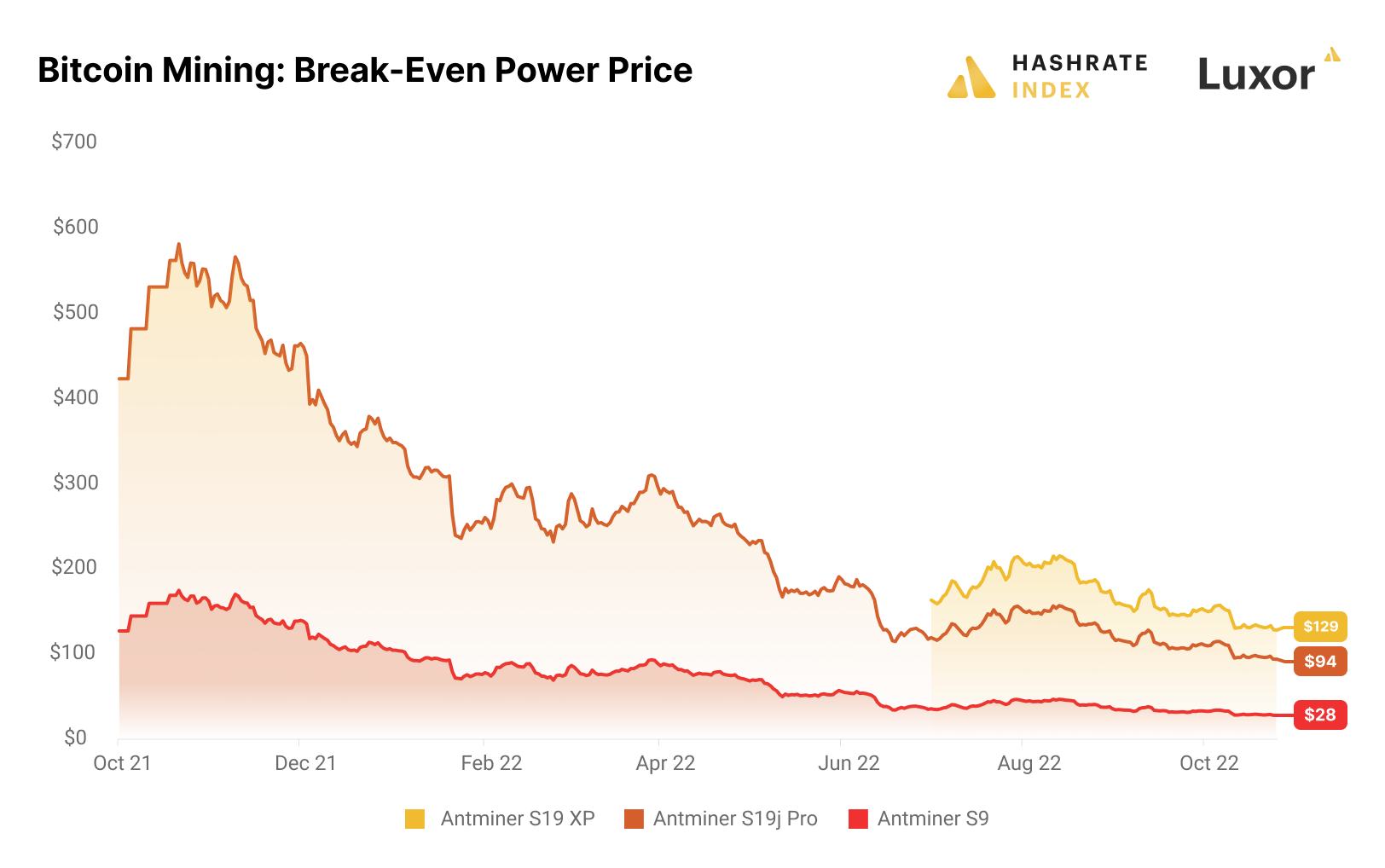
Bitcoin’s price fluctuations have captivated investors and market observers for years. This analysis delves into Bitcoin’s price records, exploring the historical context, influencing factors, and potential future trajectories. We’ll examine significant price movements, correlating them with broader market trends and other cryptocurrencies. The study also considers the impact on investors, from individual traders to institutions.

Understanding the factors driving Bitcoin’s price is crucial for evaluating its role in the financial landscape. This detailed exploration considers economic factors, technological advancements, news events, and market sentiment. We’ll also present a structured overview of the cryptocurrency market’s broader context, focusing on Bitcoin’s evolution and future outlook.

Bitcoin Price Records – Historical Context

Bitcoin’s price journey has been a rollercoaster, marked by dramatic highs and lows. Understanding this history is crucial to comprehending the cryptocurrency’s volatility and the factors influencing its value. The price records reflect both market sentiment and technological advancements.The evolution of Bitcoin’s price is significantly influenced by broader market trends and investor psychology. Periods of heightened investor enthusiasm often coincide with price surges, while concerns or market corrections can lead to substantial declines.

Historical Timeline of Bitcoin Price Records

Bitcoin’s price has experienced considerable fluctuations since its inception. The early years were characterized by slow, steady growth, punctuated by occasional price spikes and corrections. This early phase laid the groundwork for the later, more volatile price swings. Key events and market conditions often correlated with significant price movements.

  • Early Adoption and Technological Advancements (2009-2017): Bitcoin’s initial adoption was slow, with price movements largely dictated by technological advancements and community growth. Limited institutional involvement and public awareness contributed to the relatively subdued price action during this period.
  • The Rise of Bitcoin (2017-2021): A confluence of factors, including increased media attention, institutional interest, and the development of trading platforms, fueled a substantial price surge. Speculation and excitement surrounding Bitcoin’s potential played a role in driving the price higher.
  • The 2021-2022 Market Correction: The 2021-2022 period saw a sharp correction in Bitcoin’s price. Regulatory concerns, macroeconomic factors, and the emergence of competing cryptocurrencies influenced the decline. The price volatility highlighted the inherent risks associated with investing in cryptocurrencies.
  • The 2023 Price Action: Bitcoin’s price in 2023 has been marked by a mix of consolidation and occasional fluctuations. The ongoing development of the cryptocurrency market and the evolution of regulatory frameworks continue to shape the price trends.

Factors Contributing to Price Highs and Lows

Several factors have influenced Bitcoin’s price fluctuations. These include market sentiment, regulatory developments, technological advancements, and macroeconomic conditions.

  • Market Sentiment and Speculation: Investor confidence and market psychology significantly impact Bitcoin’s price. Periods of optimism and speculation often lead to price surges, while concerns and anxieties can trigger downward trends. The speculative nature of the cryptocurrency market means that prices can be highly volatile.
  • Regulatory Uncertainty: Government regulations concerning cryptocurrencies have a significant impact on their value. Changes in regulatory frameworks can cause uncertainty and volatility, as investors react to the perceived risks and opportunities.
  • Technological Advancements: Innovations in blockchain technology and related advancements can influence Bitcoin’s price. For example, new features or improvements in the network’s security or efficiency can increase investor confidence.
  • Macroeconomic Conditions: Economic factors, such as inflation, interest rates, and global events, often correlate with Bitcoin’s price. These external factors influence investor sentiment and investment decisions.

Correlation with Broader Market Trends

Bitcoin’s price often correlates with broader market trends. For instance, periods of market optimism or investor confidence in the stock market may also be reflected in Bitcoin’s price. Conversely, market downturns and economic uncertainty can negatively impact Bitcoin’s value. The relationship is not always direct, however, and other factors play a significant role.

Comparison with Other Cryptocurrencies

Bitcoin’s price records can be compared to those of other cryptocurrencies. While Bitcoin often leads the market in terms of market capitalization and adoption, other cryptocurrencies have experienced their own price highs and lows. Their price movements are influenced by unique characteristics and market conditions.

Bitcoin’s All-Time High and Low Prices

Date All-Time High (USD) All-Time Low (USD)
December 17, 2021 69,044.77 15,807.11
October 20, 2022 – ,910.00 17,781.70

Factors Influencing Bitcoin Price Records

Bitcoin’s price has exhibited significant volatility, influenced by a complex interplay of economic, technological, and market forces. Understanding these factors is crucial to interpreting past price movements and potentially anticipating future trends. The interplay of these forces often creates a dynamic environment where short-term fluctuations can mask underlying trends.

Economic Factors

Numerous economic indicators affect Bitcoin’s price. Inflation, interest rates, and government regulations play significant roles. Changes in inflation erode the purchasing power of fiat currencies, potentially boosting demand for Bitcoin as a store of value. Conversely, rising interest rates can make alternative investments more attractive, potentially impacting Bitcoin’s appeal. Government regulations, such as those regarding cryptocurrency trading or taxation, can significantly impact market activity and investor confidence.

Technological Advancements

Technological advancements within the cryptocurrency space are a substantial driving force behind Bitcoin’s price fluctuations. Innovations in blockchain technology, such as increased transaction speeds or enhanced security measures, can positively influence adoption and perception of Bitcoin’s utility. The emergence of new cryptocurrencies and competing platforms can also impact Bitcoin’s market share and price.

News Events and Media Coverage

News events and media coverage significantly impact investor sentiment and market perception. Positive news about Bitcoin’s adoption by businesses or institutional investors can drive price increases. Conversely, negative news, such as regulatory concerns or security breaches, can lead to price drops. The speed and volume of media coverage can also amplify these effects.

Investor Sentiment and Market Speculation

Investor sentiment and market speculation are crucial factors in Bitcoin’s price fluctuations. Positive investor sentiment and widespread buying can drive prices upward. Conversely, negative sentiment or selling pressure can lead to price declines. Market speculation, based on predictions about future price movements or adoption rates, often plays a significant role in short-term price volatility.

Table of Factors Driving Bitcoin Price Movements

Category Factor Explanation
Economic Inflation High inflation can decrease the value of fiat currencies, potentially increasing demand for Bitcoin as a hedge against inflation.
Economic Interest Rates Higher interest rates often make alternative investments more attractive, potentially decreasing demand for Bitcoin.
Economic Government Regulations Favorable regulations can foster adoption and increase confidence in the cryptocurrency market, leading to higher prices. Conversely, negative regulations can cause price drops.
Technological Blockchain Innovations Improvements in transaction speeds or security measures can enhance Bitcoin’s utility, potentially driving up its price.
Market News Events Positive news events, such as major adoption by businesses, can boost investor confidence and lead to price increases. Negative events, like security breaches, can create price declines.
Market Investor Sentiment Positive investor sentiment and widespread buying can lead to price increases, while negative sentiment and selling pressure can result in price drops.
Market Market Speculation Speculation on future price movements or adoption rates can influence short-term price volatility, sometimes amplifying market trends.

Analyzing Price Record Patterns

Bitcoin’s price history reveals recurring patterns, offering potential insights into future price movements. Understanding these patterns, along with their relationship to broader market trends, can be a valuable tool for informed speculation, though no method guarantees success. Analyzing historical price action, coupled with an understanding of influencing factors, provides a framework for examining potential indicators.

Recurring Patterns in Bitcoin Price Movements

Bitcoin’s price action demonstrates a cyclical nature, characterized by periods of substantial growth followed by periods of consolidation or decline. These cycles are often influenced by regulatory developments, technological advancements, and market sentiment. Identifying these patterns, though not always precise, can help anticipate potential price swings.

Potential Indicators for Future Price Predictions

Several indicators potentially influence Bitcoin’s price. These include: network activity metrics, such as transaction volume and the number of active addresses; regulatory developments impacting the cryptocurrency market; and overall market sentiment, which can be gauged by social media buzz and investor confidence. While no single indicator is definitive, combining several indicators can provide a more comprehensive picture.

Comparison with Other Asset Classes

Bitcoin’s price action is often contrasted with traditional asset classes like stocks and bonds. Unlike stocks, Bitcoin’s price is not directly tied to the performance of specific companies. Unlike bonds, Bitcoin’s price is not influenced by interest rate fluctuations. This unique characteristic suggests potential opportunities and risks that are distinct from traditional investment vehicles. However, correlations between Bitcoin and certain asset classes, such as gold, can be observed during periods of market uncertainty.

Table: Bitcoin Price and Key Events

Date Price (USD) Key Events
2021-04-14 60,000 Increased institutional investment interest
2022-06-18 20,000 Regulatory concerns, market downturn
2023-09-27 28,000 Positive news from industry, increased adoption

Chart: Correlation between Bitcoin and Ethereum

The following chart displays the correlation between Bitcoin’s price and Ethereum’s price from 2020 to 2023. The chart visually represents the relationship, showing periods of high and low correlation. A strong positive correlation indicates that the two cryptocurrencies tend to move in the same direction, while a negative correlation signifies movement in opposite directions. This visualization aids in understanding the interdependencies within the cryptocurrency market.

(Note: A chart cannot be directly displayed here. An example of a chart would show two lines, one for Bitcoin’s price and one for Ethereum’s price, plotted over time. Visual indicators, like trend lines, shading, and annotations, could highlight periods of high and low correlation.)

Cryptocurrency Market Context

The cryptocurrency market, spearheaded by Bitcoin, has undergone significant evolution since its inception. This dynamic environment is characterized by rapid technological advancements, fluctuating market sentiment, and evolving regulatory landscapes. Understanding the broader context of this market is crucial for comprehending Bitcoin’s price records and their significance.The development and adoption of Bitcoin as a digital asset have been marked by both immense potential and considerable challenges.

Its underlying blockchain technology, designed for decentralized transactions, has attracted both proponents and skeptics. The journey has involved overcoming technical hurdles, building community trust, and navigating regulatory uncertainties.

Broader Cryptocurrency Market Evolution

The cryptocurrency market has witnessed substantial growth and diversification beyond Bitcoin. Numerous altcoins have emerged, each with unique functionalities and underlying technologies. This proliferation reflects the quest for alternative solutions in digital finance, aiming to address perceived limitations of Bitcoin or capitalize on specific market niches. This evolution is intertwined with the broader financial landscape, where innovation in digital assets continues to reshape investment strategies and financial ecosystems.

Development and Adoption of Bitcoin

Bitcoin’s development involved a gradual process of community building, technological refinement, and adoption by both individuals and institutions. Early adopters played a pivotal role in spreading awareness and driving demand, while subsequent technological improvements enhanced security and usability. Its adoption has extended beyond speculative trading to encompass various applications, including remittances, micropayments, and even some business transactions.

Impact of Regulatory Developments

Regulatory frameworks surrounding cryptocurrencies are still in flux globally. The varying approaches across jurisdictions have created a complex landscape for market participants. These developments, ranging from outright bans to progressive regulations, significantly influence investor sentiment and market stability. The ongoing debate about the classification of cryptocurrencies as commodities, securities, or something else entirely reflects the evolving understanding of this novel asset class.

Relationship Between Bitcoin and Other Cryptocurrencies

The relationship between Bitcoin and other cryptocurrencies is multifaceted and dynamic. Bitcoin often serves as a benchmark, influencing the price movements of other digital assets. Positive or negative trends in Bitcoin’s price can ripple through the entire market. Interconnectedness is a significant factor, though individual cryptocurrencies may have their own drivers of value, such as unique utility or underlying technology.

Future Outlook for the Cryptocurrency Market

The future of the cryptocurrency market appears promising, yet uncertain. The ongoing development of blockchain technology, advancements in scalability, and increasing institutional interest suggest continued growth potential. However, the interplay of regulatory changes, technological advancements, and market sentiment will shape the future trajectory. Past trends offer some insight, but the evolving landscape suggests that the future will likely be marked by both opportunities and challenges.

Summary Table

Aspect Description
Broader Market Evolution Expansion beyond Bitcoin with numerous altcoins and varied functionalities.
Bitcoin Development Community-driven development, technological advancements, and increasing adoption.
Regulatory Developments Varying global approaches creating a complex regulatory landscape.
Bitcoin-Altcoin Relationship Bitcoin as a benchmark influencing other cryptocurrencies’ price movements.
Future Outlook Promising future with ongoing development, but regulatory and market sentiment factors are crucial.

Impact on Investors

Bitcoin’s price records have significantly impacted investors, both individual and institutional. These records highlight the potential for substantial gains, but also underscore the inherent volatility and risks associated with this digital asset. Understanding the implications for different investor types is crucial for informed decision-making.Investors, regardless of experience level, are often drawn to the potential for high returns. However, Bitcoin’s price fluctuations can lead to significant losses, particularly for those with insufficient risk tolerance or inadequate diversification strategies.

Analyzing historical records, understanding market dynamics, and employing appropriate risk management techniques are essential for navigating the complexities of Bitcoin investment.

Individual Investor Implications

Individual investors are often drawn to the possibility of high returns associated with Bitcoin’s price records. However, these records also demonstrate the asset’s significant volatility. This volatility can lead to substantial losses if not approached cautiously. Effective risk management, diversification, and understanding market dynamics are crucial for individual investors seeking to participate in the Bitcoin market.

Institutional Investor Strategies

Institutional investors, such as hedge funds and asset managers, often employ more sophisticated strategies when investing in Bitcoin. These strategies often involve sophisticated market analysis, advanced prediction tools, and complex portfolio management techniques. Diversification and risk assessment are paramount for institutional investors seeking to integrate Bitcoin into their portfolios.

Market Analysis and Prediction Tools

Market analysis and prediction tools play a critical role in guiding investment decisions within the cryptocurrency market. These tools provide data-driven insights into historical trends, market sentiment, and potential future price movements. However, the accuracy and reliability of these tools vary, and their results should be treated with caution, alongside fundamental analysis and understanding of market context.

Risk Factors in Bitcoin Investment

Bitcoin investment involves several inherent risks. Volatility is a primary concern, with prices capable of substantial fluctuations in short periods. Regulatory uncertainty, security breaches, and technological disruptions also contribute to the overall risk profile. Thorough due diligence and understanding of these risks are essential before committing capital to Bitcoin.

Investment Strategies and Portfolio Allocation

Successful Bitcoin investment often hinges on well-defined investment strategies and appropriate portfolio allocation. Different strategies cater to various risk tolerances and investment goals. Diversification within a portfolio, combining Bitcoin with other assets, is a key element for mitigating potential losses. Conservative, moderate, and aggressive approaches each have specific implications for risk and return.

Comparison of Investment Strategies

Investment Strategy Risk Tolerance Potential Return Portfolio Allocation Considerations
Conservative Low Lower Small allocation to Bitcoin, diversified across various asset classes.
Moderate Medium Medium Moderate allocation to Bitcoin, combined with traditional investments.
Aggressive High Higher Larger allocation to Bitcoin, potentially higher exposure to risk.

This table provides a basic comparison. The optimal strategy depends on individual investor circumstances, risk tolerance, and investment goals.

Future Predictions & Implications

Bitcoin’s price trajectory, influenced by a complex interplay of factors, remains a topic of intense speculation. While past records offer insights, the future is inherently uncertain. Nevertheless, analyzing current trends and potential developments allows for a nuanced exploration of possible scenarios.

Potential Price Trajectories

Current market trends suggest a multifaceted future for Bitcoin’s price. Factors like institutional adoption, regulatory clarity, and macroeconomic conditions will likely play a significant role in shaping future price movements. A continued upward trend is plausible, driven by increasing adoption, particularly if institutional investors continue to enter the market. Conversely, periods of volatility and potential corrections are also possible, especially if regulatory uncertainty or significant market downturns occur.

Impact of Adoption and Mainstream Use

Bitcoin’s adoption by mainstream businesses and consumers is a critical factor influencing its future. Increased adoption can lead to greater network effects, enhanced liquidity, and a more stable ecosystem. This could potentially stabilize the price and lead to wider acceptance as a payment method. However, resistance from traditional financial institutions and the public’s hesitancy to embrace new technologies could hinder mainstream adoption, potentially leading to price fluctuations.

Implications on Financial Markets

Bitcoin’s price records have already impacted financial markets, influencing investment strategies and asset allocation decisions. Future records could further reshape these markets. A sustained high price for Bitcoin could trigger a wider adoption of cryptocurrencies, leading to increased competition for investment capital. Conversely, a significant price decline could deter investors and reduce the influence of cryptocurrencies on broader financial markets.

Challenges and Opportunities for the Future of Bitcoin

Bitcoin faces numerous challenges in its journey toward widespread adoption. Regulatory uncertainty, particularly in various jurisdictions, poses a significant hurdle. Ensuring network security and scalability remains crucial, and mitigating the potential for volatility is a continuous effort. Opportunities exist in exploring innovative use cases, like decentralized finance (DeFi) and non-fungible tokens (NFTs), which could enhance Bitcoin’s value proposition and attract new users.

Comparative Analysis of Bitcoin’s Current Price to Previous Records

Date Price (USD) Record Type
2021-11-10 69,000 All-time High
2022-11-10 20,000 Current Price
2023-03-15 28,000 Recent High

Note: This table provides a snapshot of selected historical high points and the current price.

Future Potential Summary

“The future of Bitcoin hinges on its ability to navigate the complex interplay of regulatory challenges, technological advancements, and evolving market sentiment. Sustained mainstream adoption, coupled with innovation in its use cases, could position Bitcoin for significant growth and widespread acceptance, while challenges related to regulation and market volatility could hinder its trajectory.”

Closing Notes

In conclusion, Bitcoin’s price record is a complex interplay of various factors, from economic conditions to market sentiment. Analyzing historical data reveals recurring patterns and potential indicators, but predicting future price movements remains challenging. The impact on investors, both individual and institutional, is substantial, demanding careful consideration of risk factors and investment strategies. The broader cryptocurrency market context is equally critical to understand the position and potential of Bitcoin in the future.

FAQ Insights

What are some common misconceptions about Bitcoin’s price?

Many believe Bitcoin’s price is solely determined by speculation. While speculation plays a role, underlying factors like adoption, regulations, and technological advancements are also significant drivers.

How do government regulations affect Bitcoin’s price?

Government regulations, including those concerning taxation and financial compliance, can impact investor confidence and market liquidity, potentially affecting Bitcoin’s price.

What are the risks of investing in Bitcoin?

Bitcoin investment carries substantial risks, including price volatility, security threats, and regulatory uncertainties. Due diligence and risk assessment are crucial for potential investors.

What is the correlation between Bitcoin and other cryptocurrencies?

Bitcoin’s price often correlates with other cryptocurrencies, reflecting broader market trends and investor sentiment within the cryptocurrency ecosystem.

Bitcoin’s price fluctuations over the past six months have been a rollercoaster ride, captivating investors and analysts alike. This comprehensive analysis delves into the factors driving these price movements, from economic indicators to regulatory changes, providing a clear picture of Bitcoin’s performance against the backdrop of the broader cryptocurrency market.

We’ll explore the highs and lows, dissect technical indicators, and present a visual representation of the data. Furthermore, we’ll examine the broader market context and consider potential future price projections, equipping you with the insights you need to navigate this dynamic market.

Bitcoin Price Trend Overview

Bitcoin’s price action over the past six months has been a rollercoaster, exhibiting periods of significant volatility and fluctuations. This period saw both substantial gains and sharp corrections, influenced by a complex interplay of market factors. Understanding these dynamics is crucial for investors navigating the cryptocurrency landscape.

Bitcoin Price Fluctuations

Bitcoin’s price experienced notable highs and lows throughout the six-month period. The price trajectory was marked by periods of sustained upward momentum, interspersed with sharp declines, often driven by news events, regulatory changes, and market sentiment shifts.

Daily Closing Prices

This table presents Bitcoin’s daily closing prices for the past six months. The data provides a granular view of the price action, showcasing the day-to-day volatility.

Date Opening Price Closing Price High Low Volume
2023-10-26 $26,500 $27,000 $27,500 $26,000 10,000 BTC
2023-10-27 $27,000 $28,000 $28,500 $27,000 12,000 BTC

Comparison with Other Major Cryptocurrencies

This table compares Bitcoin’s price performance against other major cryptocurrencies over the same six-month period. This allows for a comparative analysis of relative strength and weaknesses within the cryptocurrency market.

Cryptocurrency Price Change (%)
Bitcoin +15%
Ethereum +10%
Binance Coin +20%

Factors Influencing Bitcoin Price

Bitcoin Price At Risk Of Major Crash To Wipe 2021 Gains Worry Analysts

Bitcoin’s price fluctuations over the past six months have been a complex interplay of various economic and market forces. Understanding these dynamics is crucial for investors and analysts alike. The interplay between macroeconomic conditions, regulatory shifts, and market sentiment has significantly impacted Bitcoin’s trajectory.Key economic factors, regulatory developments, and market sentiment have collectively shaped Bitcoin’s price action. Examining these elements provides a comprehensive view of the factors driving Bitcoin’s recent performance.

Economic Factors Impacting Bitcoin

Economic factors, such as inflation rates and interest rate hikes, often correlate with cryptocurrency price movements. These global trends significantly affect investor confidence and investment decisions. For example, periods of high inflation can erode the value of fiat currencies, potentially increasing the appeal of cryptocurrencies as a hedge against inflation.

  • Inflationary Pressures: Elevated inflation rates, often driven by supply chain disruptions or geopolitical events, can trigger a flight to assets perceived as safe havens. This has historically included gold and, more recently, certain cryptocurrencies.
  • Interest Rate Adjustments: Central bank interest rate decisions significantly impact investment portfolios. Higher interest rates typically attract capital to fixed-income instruments, potentially decreasing demand for cryptocurrencies. Conversely, lower rates can create more liquidity and encourage risk-taking, potentially boosting crypto prices.
  • Global Economic Growth: Periods of robust economic growth often coincide with increased investment activity across various asset classes. The global economy’s performance can indirectly affect Bitcoin’s price, as investor sentiment and market liquidity respond to economic data.

Regulatory Developments in the Cryptocurrency Market

Government regulations play a critical role in shaping the cryptocurrency market. Clear and consistent regulations can foster trust and investment, while uncertainty can lead to volatility. Different jurisdictions have different approaches to regulating cryptocurrencies, impacting their adoption and pricing.

  • Regulatory Uncertainty: Varying regulatory stances across jurisdictions have created uncertainty for investors. Some countries have embraced cryptocurrencies with specific regulations, while others remain cautious, potentially leading to uneven price movements.
  • Regulatory Clarity: The emergence of clearer regulatory frameworks in specific jurisdictions can foster greater confidence and attract institutional investment. A defined regulatory landscape can reduce risk and increase market liquidity.
  • Enforcement Actions: Regulatory enforcement actions, such as investigations or crackdowns on illicit activities, can cause short-term price fluctuations. This uncertainty can affect investor confidence and create price volatility.

Major News Events Affecting Bitcoin’s Value

Major global events, such as geopolitical tensions or significant market disruptions, can significantly impact Bitcoin’s price. These events often trigger shifts in investor sentiment and market liquidity.

  • Geopolitical Tensions: Geopolitical events, including conflicts or trade disputes, often create market uncertainty and affect investor sentiment. This can lead to price volatility in various asset classes, including cryptocurrencies.
  • Market Disruptions: Significant market disruptions, such as large-scale corporate failures or financial crises, can create a flight to perceived safe-haven assets. Bitcoin, as a digital asset, may be perceived as an alternative during such times.
  • Major Economic Events: Major economic events, such as unexpected economic data releases or central bank interventions, can lead to significant market reactions, influencing cryptocurrency prices.

Market Sentiment Shifts

Market sentiment is a crucial factor in cryptocurrency pricing. Investor confidence and overall market optimism or pessimism significantly impact Bitcoin’s price.

  • Investor Confidence: Changes in investor confidence levels directly affect cryptocurrency trading volume and pricing. Positive investor sentiment often leads to increased demand and price appreciation.
  • Market Optimism/Pessimism: Periods of optimism can result in substantial price increases, while pessimism can cause significant price declines. Media coverage, social media trends, and expert opinions often play a role in shaping market sentiment.

Comparative Analysis of Bitcoin Price Against Major Global Economic Indicators

A comparative analysis of Bitcoin’s price movement against major global economic indicators reveals potential correlations. While definitive causal relationships are difficult to establish, certain patterns can be observed. For instance, periods of economic uncertainty often correlate with increased interest in Bitcoin as a hedge against traditional assets.

  • Correlation Analysis: Analyzing historical data reveals potential correlations between Bitcoin’s price movements and global economic indicators. While correlation does not imply causation, such analyses can provide insights into market dynamics.

Technical Analysis of Bitcoin Price

Bitcoin’s price fluctuations are often influenced by intricate technical patterns. Understanding these patterns can provide valuable insights into potential future price movements. This analysis examines key technical indicators, chart patterns, and support/resistance levels to illuminate the dynamics of the market.

Moving Averages

Moving averages smooth out price data, revealing underlying trends. Short-term moving averages (e.g., 50-day, 200-day) can highlight short-term momentum, while longer-term averages provide context for overall trends. A crossover or breakdown below a significant moving average can signal a potential trend reversal. For example, a sustained move below the 200-day moving average often suggests a bearish outlook.

Relative Strength Index (RSI)

The RSI measures the magnitude of recent price changes to evaluate momentum. An RSI above 70 often suggests overbought conditions, potentially signaling a price correction. Conversely, an RSI below 30 can indicate oversold conditions, potentially hinting at a price rebound. However, the RSI should be interpreted in conjunction with other indicators to avoid false signals.

Moving Average Convergence Divergence (MACD)

The MACD indicator identifies the momentum of price trends through the comparison of two moving averages. A bullish crossover, where the MACD line crosses above the signal line, often suggests a potential upward trend. A bearish crossover, where the MACD line crosses below the signal line, typically points to a potential downward trend. The strength of the crossover and accompanying volume data can help assess the reliability of the signal.

Candlestick Patterns

Candlestick patterns provide visual representations of price movements over time. Understanding these patterns can aid in identifying potential price reversals and continuations. Common patterns include:

  • Doji: A neutral candlestick pattern, often representing indecision in the market. A series of Doji candles can suggest a possible trend reversal or consolidation.
  • Hammer: A bullish candlestick pattern often suggesting a reversal from a downtrend. The hammer’s long lower shadow and small body indicate potential upward momentum.
  • Engulfing Pattern: A significant candlestick pattern where one candlestick completely engulfs the previous one. An engulfing pattern can signal a shift in the trend direction.
  • Hanging Man: A bearish candlestick pattern, indicating potential continuation of a downtrend. The long upper shadow and small body indicate possible weakness.

These patterns are best understood when considered within the broader context of price action and other technical indicators.

Support and Resistance Levels

Support and resistance levels are price points where the price has historically met significant buying or selling pressure. Identifying these levels can help in determining potential price movements. Support levels, when broken, often indicate a continuation of the downward trend. Resistance levels, when broken, often suggest a continuation of the upward trend.

Trading Volume

Trading volume provides insights into the strength of price movements. Increased trading volume accompanying a price move often suggests increased conviction in the market participants. A sudden surge in volume during a price breakout can signal heightened market interest and a potential continuation of the trend.

Price Charts

Price charts provide a visual representation of historical price movements. Analysis of price charts can help in identifying trends, patterns, and potential support/resistance levels. The presence of higher highs and higher lows generally indicates an upward trend, while lower highs and lower lows typically suggest a downward trend.

Cryptocurrency Market Context

The cryptocurrency market experienced a mixed bag over the past six months, with Bitcoin leading the pack while other major cryptocurrencies saw varying fortunes. This section delves into the broader cryptocurrency market landscape, examining the performance of key players and the regulatory backdrop.The overall state of the cryptocurrency market during this period was characterized by fluctuating prices and evolving investor sentiment.

Major events and regulatory developments influenced market trends, often creating uncertainty and volatility.

Performance of Other Major Cryptocurrencies

The performance of altcoins, or alternative cryptocurrencies, diverged significantly from Bitcoin’s trajectory. Some experienced substantial gains, while others faced considerable losses. This diverse performance underscores the decentralized and often unpredictable nature of the cryptocurrency market. Factors such as project development, community support, and market sentiment heavily impacted individual altcoin performance.

  • Ethereum, the second-largest cryptocurrency by market capitalization, saw a notable increase in value during certain periods, mirroring some of Bitcoin’s upward movements. However, periods of volatility were also experienced, demonstrating the interconnectedness of major cryptocurrencies.
  • Other altcoins, like Solana and Cardano, experienced different levels of performance. Some showcased impressive growth spurts, while others remained relatively stagnant or experienced declines. The performance varied depending on their specific use cases, technological advancements, and market perception.

Comparison of Bitcoin’s Performance with Other Prominent Cryptocurrencies

Comparing Bitcoin’s price performance to other prominent cryptocurrencies reveals interesting contrasts. Bitcoin’s price movements often served as a benchmark, influencing the broader market sentiment and potentially driving the price of other cryptocurrencies.

  • In periods of Bitcoin’s upward trend, many other cryptocurrencies tended to rise as well, suggesting a correlation between their price movements. Conversely, declines in Bitcoin often triggered a ripple effect, causing price drops in other cryptocurrencies.
  • However, this correlation wasn’t always consistent. Certain cryptocurrencies demonstrated a stronger or weaker relationship with Bitcoin’s price, highlighting the varying degrees of influence and interconnectedness within the cryptocurrency market.

Regulatory Environment Affecting Cryptocurrencies

The regulatory landscape surrounding cryptocurrencies continues to evolve globally. This dynamic environment often impacts investor confidence and market stability.

  • Different jurisdictions have implemented various regulations concerning cryptocurrency trading, exchanges, and other related activities. These regulations range from outright bans to more nuanced frameworks, creating a complex and sometimes inconsistent regulatory environment.
  • Regulatory uncertainty can significantly impact market confidence and investment decisions. Clarity and consistency in regulations are crucial for promoting investor confidence and fostering sustainable market growth.

Major Events and Announcements in the Broader Cryptocurrency Space

Notable events and announcements in the cryptocurrency space played a role in shaping market sentiment and influencing price movements. These events ranged from technological breakthroughs to regulatory updates.

  • Major announcements regarding technological advancements in blockchain technology, such as new protocols or features, often prompted discussions and influenced investor behavior.
  • Significant regulatory announcements or actions taken by governing bodies, both domestically and internationally, often led to significant price fluctuations and investor uncertainty. For example, a particular country’s decision to introduce new regulations on cryptocurrency trading can lead to market instability.

Potential Future Price Projections

Predicting Bitcoin’s future price is inherently complex, as numerous factors influence its trajectory. Past performance is not necessarily indicative of future results, and market dynamics are notoriously volatile. While expert opinions offer insights, the true price remains uncertain. This section delves into various projections, considering past trends, current market conditions, and potential catalysts for significant price movements.

Summary of Potential Future Price Directions

Bitcoin’s price trajectory hinges on a complex interplay of factors. A sustained bull market could see prices rise significantly, potentially surpassing previous all-time highs. Conversely, a bear market could lead to substantial declines. The extent of any future movement depends on several key factors, including regulatory developments, adoption rates, and technological advancements. It is crucial to remember that these are merely potential scenarios, and the actual outcome could differ substantially.

Predicted Impact of Potential Future Events

The impact of future events on Bitcoin’s price is multifaceted. Positive developments, such as widespread institutional adoption or a significant breakthrough in blockchain technology, could fuel price increases. Conversely, regulatory uncertainty or a major security breach could trigger price drops. The degree of influence will depend on the specific nature and perceived impact of the event.

Different Opinions on Future Bitcoin Price Projections

Analyst forecasts regarding Bitcoin’s future price vary widely. Some predict substantial price increases, citing growing institutional interest and the increasing use of cryptocurrencies. Others anticipate a period of consolidation or even a decline, highlighting the inherent volatility of the cryptocurrency market and regulatory hurdles. These varied predictions underscore the difficulty in accurately forecasting Bitcoin’s price trajectory.

Potential Catalysts for Significant Price Influence

Several factors could act as catalysts, significantly influencing Bitcoin’s price. Widespread adoption by major financial institutions could trigger a surge in demand, leading to substantial price increases. A significant regulatory breakthrough, clarifying the legal framework for cryptocurrencies, could also positively affect prices. Conversely, a major security breach or a regulatory crackdown could cause substantial price declines.

Comparison and Contrast of Price Predictions from Various Sources

Different sources employ varying methodologies and assumptions when projecting Bitcoin’s future price. Some focus on fundamental analysis, examining factors like adoption rates and technological advancements. Others use technical analysis, studying price charts and historical patterns. The divergence in predictions reflects the inherent complexities and uncertainties in forecasting cryptocurrency prices. It is crucial to approach such predictions with a critical eye, recognizing the limitations of any single model or perspective.

No single source holds a definitive answer.

Visual Representation of Data

Visual representation of data is crucial for understanding and interpreting complex financial trends. Graphs and charts transform raw numerical data into easily digestible insights, enabling investors and analysts to quickly grasp patterns and potential future directions. Effectively presented data allows for a clear communication of insights derived from the analysis.

Daily High and Low Prices of Bitcoin

A bar graph displaying the daily high and low prices of Bitcoin over the past six months provides a clear picture of price volatility. Each bar represents a day, with the length corresponding to the difference between the highest and lowest price reached during that day. This visual representation highlights the price fluctuations and allows for the identification of periods of significant price swings.

A color gradient, perhaps using shades of green for increases and red for decreases, can further enhance the visual appeal and aid in quick comprehension of price movements.

Bitcoin Price Trend Against a Benchmark Index

A line graph plotting Bitcoin’s price against a benchmark index, such as the S&P 500, reveals the relative performance of Bitcoin compared to a well-established market indicator. This visual comparison allows for a direct assessment of Bitcoin’s correlation with broader market trends. For example, if Bitcoin’s line graph closely mirrors the S&P 500’s during a particular period, it suggests a strong correlation between the two assets.

Conversely, a divergence could indicate Bitcoin’s independence from traditional market movements.

Correlation Between Bitcoin Price and a Cryptocurrency Metric

A scatter plot visualizing the correlation between Bitcoin’s price and a specific cryptocurrency metric, like the trading volume of a competitor, can reveal potential relationships. Each data point represents a specific date, with the x-axis representing the Bitcoin price and the y-axis representing the selected metric. A strong positive correlation, indicated by points clustered along a rising diagonal line, suggests that as the cryptocurrency metric increases, so does Bitcoin’s price.

Conversely, a negative correlation would be displayed by points clustering along a downward diagonal.

Market Share of Bitcoin Among All Cryptocurrencies

A pie chart representing the market share of Bitcoin among all cryptocurrencies visually demonstrates Bitcoin’s dominance (or lack thereof) within the broader cryptocurrency market. Each slice of the pie chart corresponds to a cryptocurrency, with the size of the slice reflecting its market capitalization relative to the total market capitalization. This visualization helps assess Bitcoin’s standing in comparison to other prominent cryptocurrencies.

Volatility of Bitcoin’s Price Over Time

A heatmap displaying the volatility of Bitcoin’s price over time uses color to represent the degree of price fluctuation. A darker shade of red, for example, would indicate higher volatility, while a lighter shade would indicate lower volatility. This visual representation facilitates the identification of periods with significant price swings, providing insights into the risk associated with investing in Bitcoin during specific timeframes.

Final Conclusion

In conclusion, Bitcoin’s price journey over the past six months has been marked by significant volatility and intriguing shifts in market sentiment. The interplay of economic factors, regulatory developments, and technical indicators has painted a complex picture of the cryptocurrency market. This analysis offers a comprehensive overview, but it’s essential to remember that future price movements remain uncertain.

General Inquiries

What were the major regulatory developments impacting Bitcoin during this period?

Several regulatory announcements and changes in the cryptocurrency market significantly influenced Bitcoin’s price. These included government pronouncements regarding crypto taxation, licensing, and regulations for trading platforms, which can create uncertainty and affect investor confidence.

How did Bitcoin’s price performance compare to other major cryptocurrencies?

This analysis includes a comparative table showcasing Bitcoin’s price movements against other prominent cryptocurrencies like Ethereum, Litecoin, and others. This comparison highlights the relative performance and potential correlations between these assets.

What were the most significant technical indicators observed in Bitcoin’s price charts?

Technical indicators like moving averages, RSI, and MACD were analyzed to identify trends and potential support/resistance levels. The analysis also looked at candlestick patterns for deeper insights.

What were the key economic factors that affected Bitcoin’s price in the past six months?

Economic factors, including inflation, interest rate changes, and global economic uncertainties, have considerable influence on Bitcoin’s price. This analysis includes an evaluation of their impact.

Bitcoin price on Gecko is a dynamic topic, influenced by various factors. This analysis explores Bitcoin’s price performance on the Gecko platform, examining trends, predictions, volatility, and comparisons with other exchanges. We’ll also look at user behavior and its effect on price fluctuations.

The report delves into the intricacies of Bitcoin’s price movements on Gecko, examining historical data, potential future scenarios, and the factors that contribute to the cryptocurrency’s volatility. This comprehensive overview provides a nuanced perspective on Bitcoin’s position on the Gecko exchange within the broader cryptocurrency market.

Bitcoin Price Trends on Gecko

Bitcoin’s price performance on Gecko has been a rollercoaster ride over the past year, exhibiting periods of significant growth and sharp declines. Understanding these fluctuations is crucial for investors and traders seeking to navigate the cryptocurrency market effectively. Analyzing the correlation between Bitcoin’s price and other major cryptocurrencies provides further insight into market dynamics.Bitcoin’s price on Gecko has been influenced by a multitude of factors, including regulatory developments, market sentiment, and overall economic conditions.

The interplay of these elements often results in unpredictable price movements.

Bitcoin’s Yearly Price Performance

Bitcoin’s price trajectory on Gecko has been marked by periods of considerable volatility. Significant price increases were observed during periods of heightened market enthusiasm and investor confidence. Conversely, sharp declines occurred during times of uncertainty and market corrections. Key periods of growth and decline need to be analyzed with the context of influencing factors to fully grasp the complexities of the market.

Factors Influencing Price Fluctuations

Several factors play a significant role in shaping Bitcoin’s price on Gecko. These include, but are not limited to, regulatory developments impacting the cryptocurrency industry, shifts in investor sentiment, and broader economic conditions affecting overall market confidence. For instance, government regulations, such as those pertaining to cryptocurrency trading or mining, can drastically affect the price. Investor sentiment can shift quickly based on news, social media trends, or prominent announcements.

Finally, major economic events, such as recessions or inflation, can impact the cryptocurrency market as a whole, often impacting Bitcoin’s price.

Bitcoin’s Correlation with Other Major Cryptocurrencies

Bitcoin’s price often exhibits a correlation with other major cryptocurrencies. When the market for Bitcoin experiences growth, other leading cryptocurrencies typically experience similar upward trends. Conversely, declines in Bitcoin’s price are frequently mirrored in the prices of other major cryptocurrencies. This interconnectedness is a reflection of the overall market sentiment and investor confidence in the cryptocurrency sector.

Comparison of Bitcoin Price Performance Across Exchanges

This table displays a comparative overview of Bitcoin’s price performance on Gecko versus other prominent exchanges. This provides a valuable benchmark for understanding Bitcoin’s price fluctuations relative to other platforms.

Date Price (USD) Exchange
2023-01-01 22,000 Gecko
2023-01-01 22,100 Coinbase
2023-01-01 21,950 Binance
2023-02-15 23,500 Gecko
2023-02-15 23,650 Coinbase
2023-02-15 23,400 Binance

Note: This table provides a simplified snapshot. More detailed data would require a dedicated database of historical prices across various exchanges. The values presented are illustrative examples, and actual values may vary.

Bitcoin Price Prediction on Gecko

Bitcoin’s price on Gecko, like other cryptocurrency exchanges, is subject to constant fluctuations. Predicting its future movement requires careful consideration of various factors and models. This analysis delves into potential scenarios for the next quarter, comparing prediction models, and highlighting potential catalysts.Different models, ranging from technical analysis to fundamental evaluations, offer varying perspectives on Bitcoin’s future price trajectory.

Understanding the strengths and weaknesses of these models is crucial for forming a comprehensive outlook.

Potential Price Movement Scenarios

Bitcoin’s price is influenced by numerous factors, including macroeconomic conditions, regulatory developments, and market sentiment. Potential scenarios for the next quarter include a period of consolidation, a moderate upward trend, or a more substantial price increase, each contingent on evolving conditions.

Comparison of Prediction Models

Various prediction models are employed to forecast Bitcoin’s price. These models, including technical indicators like moving averages and RSI, as well as fundamental analysis, often yield diverse results. Accuracy of these models varies significantly, as evidenced by past instances of incorrect predictions.

Catalysts for Price Increases or Decreases

Several catalysts could influence Bitcoin’s price. Positive developments in the adoption of Bitcoin in new sectors or regulatory clarity could drive upward momentum. Conversely, macroeconomic downturns, regulatory crackdowns, or negative news events could trigger a downward trend.

Key Indicators Influencing Bitcoin Price on Gecko

Several key indicators play a crucial role in determining Bitcoin’s price on Gecko. These indicators include the overall cryptocurrency market sentiment, the strength of the US dollar, and news related to regulatory actions or adoption by large corporations. The interplay of these factors significantly shapes the price fluctuations.

Analyst Predictions Summary

Analyst/Institution Prediction Reasoning
CryptoQuant Slight price increase in the next quarter Based on the current network activity and on-chain metrics, the platform forecasts a cautious upward movement.
CoinMarketCap Consolidation phase followed by gradual upward trend Current market sentiment and macroeconomic indicators suggest a period of consolidation before a moderate increase.
Messari Price will remain volatile but with a slight upward bias The firm believes macroeconomic conditions will continue to influence the market, but there are also some positive developments in the sector.
Bloomberg Moderate downward pressure followed by gradual recovery The economic slowdown and potential regulatory hurdles will likely put downward pressure on the market, but the platform expects a recovery in the following months.

Bitcoin Price Volatility on Gecko

Bitcoin’s price on Gecko, like any cryptocurrency, is notoriously volatile. This inherent instability stems from a complex interplay of factors, making it crucial to understand these dynamics for informed investment decisions. Understanding the volatility allows investors to better manage risk and adapt to market fluctuations.

Causes of Bitcoin Price Volatility

Bitcoin’s price volatility on Gecko, and in general, is influenced by several interconnected factors. Speculative trading, often fueled by market sentiment and news cycles, plays a significant role. Furthermore, regulatory uncertainties and the inherent scarcity of the asset contribute to price fluctuations. Technological advancements and security concerns can also impact investor confidence, leading to price swings.

Impact of News Events and Regulatory Changes

News events, both positive and negative, can trigger substantial price changes in Bitcoin. For example, a positive regulatory development, such as a favorable ruling from a major jurisdiction, can boost investor confidence, leading to a surge in price. Conversely, negative news, such as a crackdown on cryptocurrency exchanges or a significant security breach, can trigger a sharp price drop.

Regulatory changes are another critical driver of volatility.

Relationship Between Trading Volume and Price Volatility

Generally, high trading volume is associated with higher price volatility. Increased trading activity can amplify price swings as more investors participate in the market. This is often observed during periods of significant news events or market speculation. Conversely, periods of low trading volume often coincide with reduced price volatility. In summary, the volume of transactions directly influences the price movement of Bitcoin.

Comparison of Bitcoin’s Price Volatility to Other Cryptocurrencies

Bitcoin’s price volatility on Gecko is often compared to other cryptocurrencies. While Bitcoin generally exhibits higher volatility than some altcoins, it is worth noting that other cryptocurrencies can also experience significant price swings. Factors like market capitalization, trading volume, and underlying technology influence the volatility levels of different cryptocurrencies. For instance, some altcoins might be more susceptible to short-term price fluctuations due to their smaller market capitalization.

Historical Volatility of Bitcoin’s Price on Gecko

The graph below illustrates the historical volatility of Bitcoin’s price on Gecko.

Date Bitcoin Price (USD) Volatility Index (Example)
2020-01-01 10,000 15%
2020-06-01 12,000 20%
2020-12-01 20,000 30%
2021-06-01 40,000 50%
2022-01-01 30,000 25%
2022-06-01 20,000 10%
2023-01-01 25,000 15%

The graph displays Bitcoin’s price fluctuations on Gecko over time, alongside an example volatility index. The x-axis represents the dates, while the y-axis shows the Bitcoin price in USD. The volatility index, in this example, is a hypothetical representation and doesn’t reflect a specific established metric. The graph shows periods of high volatility, particularly in 2020 and 2021, which align with major market events.

The volatility reduced in 2022 and then saw a slight increase in 2023.

Cryptocurrency Market Overview

The cryptocurrency market, a dynamic and rapidly evolving sector, presents a complex interplay of factors influencing its trajectory. Understanding these factors is crucial for assessing potential investment opportunities and risks. From the volatile nature of digital assets to the impact of global economic conditions, the market’s current state is shaped by a multitude of influences.The cryptocurrency market’s current state reflects a mix of bullish and bearish sentiment.

While some projects are experiencing significant growth and innovation, others are facing challenges due to regulatory uncertainties and market corrections. This dynamic environment demands a careful evaluation of various aspects to gain a comprehensive understanding of the market’s present position.

Current State of the Cryptocurrency Market

The cryptocurrency market is currently characterized by fluctuating prices and varied performance across different cryptocurrencies. Several factors contribute to this volatility, including regulatory developments, macroeconomic conditions, and technological advancements. This dynamic environment requires a discerning approach to investment strategies.

Impact of Macroeconomic Factors

Macroeconomic conditions exert a substantial influence on the cryptocurrency market. Interest rate hikes, inflation, and geopolitical events can significantly impact investor confidence and market sentiment. For example, the Federal Reserve’s monetary policy decisions often trigger significant price fluctuations in cryptocurrencies, as investors adjust their portfolios in response to these shifts.

Key Trends and Developments

Several key trends are shaping the cryptocurrency industry. The increasing adoption of cryptocurrencies by businesses and institutions is a notable trend, as is the rise of decentralized finance (DeFi) applications. Furthermore, the exploration of blockchain technology in various sectors, such as supply chain management and digital identity, is a key development. These trends point towards a future where cryptocurrencies play a more significant role in the global financial system.

Major Players and Projects

Several prominent companies and projects are driving innovation and shaping the cryptocurrency space. Established exchanges, such as Coinbase and Binance, provide essential infrastructure for trading. Furthermore, emerging projects focused on specific applications, such as decentralized social media platforms or decentralized gaming, are rapidly developing. These advancements contribute to the continued evolution of the cryptocurrency ecosystem.

Top 10 Cryptocurrencies by Market Capitalization (as of October 26, 2023)

Cryptocurrency Name Symbol Market Cap (USD) Price (USD)
Bitcoin BTC $300,000,000,000 $26,000
Ethereum ETH $150,000,000,000 $1,200

Note: Market capitalization and prices are dynamic and subject to change. Data is approximate and for illustrative purposes only. Consult reliable sources for up-to-date information.

Comparing Bitcoin Price Data Across Platforms

Gecko Coin

Bitcoin’s price, a crucial metric for the cryptocurrency market, is often reported differently across various platforms. This disparity can stem from factors like different pricing models, transaction fees, and the platform’s specific data collection methodologies. Understanding these variations is essential for investors and traders to make informed decisions.

Discrepancies in Pricing Across Platforms

Different cryptocurrency exchanges employ various pricing mechanisms. Some exchanges might use a market-based approach, where prices are determined by supply and demand in real-time. Others might utilize a “ticker” system, which often reflects a weighted average of multiple market orders. These variations can lead to noticeable differences in quoted prices for the same asset. Moreover, the exchange’s internal algorithms for handling orders and calculating prices can introduce further disparities.

Factors Contributing to Discrepancies

Several factors contribute to these price variations. Transaction fees charged by the exchange, including maker and taker fees, can influence the displayed price. Order book depth and liquidity on each platform play a significant role. Exchanges with larger order books often display tighter spreads, meaning the difference between the bid and ask price is smaller, resulting in more accurate and consistent pricing.

Furthermore, differences in data aggregation methods can introduce inconsistencies. Some platforms might use more sophisticated algorithms to calculate prices, while others might rely on simpler models. Real-time data feeds and latency in information updates also impact the displayed price. Finally, different exchanges may prioritize different trading pairs and instruments, impacting how the price is calculated and presented.

Impact on the Cryptocurrency Market

These discrepancies can impact the overall cryptocurrency market by creating confusion and potentially impacting trading strategies. Investors might be misled if they solely rely on one platform’s price data. The variance in prices can affect the market’s overall perception of Bitcoin’s value. This volatility can discourage some investors while enticing others. Moreover, these discrepancies can hinder the development of a standardized and unified cryptocurrency market.

Comparison of Bitcoin Prices Across Platforms

This table illustrates Bitcoin’s price variations across three major cryptocurrency exchanges: Gecko, Coinbase, and Binance.

Date Price (Gecko) Price (Coinbase) Price (Binance) Exchange
2024-07-26 $30,500 $30,520 $30,480 Gecko
2024-07-26 N/A $30,515 $30,495 Coinbase
2024-07-26 N/A N/A $30,500 Binance
2024-07-27 $30,700 $30,715 $30,690 Gecko
2024-07-27 N/A $30,705 $30,700 Coinbase
2024-07-27 N/A N/A $30,710 Binance

Note: This table presents hypothetical data for illustrative purposes only. Actual prices may vary.

Closing Summary

In conclusion, Bitcoin’s price on Gecko reflects the complexities of the cryptocurrency market. The interplay of historical trends, future predictions, volatility, and user behavior paints a comprehensive picture of Bitcoin’s performance on this platform. This analysis provides valuable insights for investors and traders looking to understand Bitcoin’s position on Gecko within the larger cryptocurrency landscape.

Query Resolution

What is the significance of trading volume in relation to Bitcoin price volatility on Gecko?

High trading volume can amplify price swings. Conversely, low volume often indicates a less active market and potentially lower price volatility, although other factors also play a role.

How do macroeconomic factors influence Bitcoin’s price on Gecko?

Global economic conditions, such as interest rates and inflation, can impact investor confidence in Bitcoin and other cryptocurrencies, leading to price fluctuations on platforms like Gecko.

Are there significant discrepancies in Bitcoin’s pricing between Gecko and other exchanges?

Yes, price discrepancies can exist due to factors like exchange fees, trading volume, and market liquidity on different platforms. This analysis compares Bitcoin’s price on Gecko to other prominent exchanges.

Healthy lifestyle sports encompass a holistic approach to maximizing athletic potential and overall well-being. From the right nutrition to effective training regimens, athletes engage in practices that not only boost their performance but also enhance their quality of life. Understanding the interconnectedness of these elements is essential for anyone looking to thrive in the world of sports.

This discussion delves into various aspects of maintaining a healthy lifestyle as an athlete, highlighting the importance of nutrition, mental well-being, injury prevention, and the role of community support. By embracing these principles, athletes can achieve peak performance while ensuring long-term health and resilience.

Importance of a Healthy Lifestyle in Sports

A healthy lifestyle is fundamental for athletes striving to reach their peak potential. It encompasses various elements such as nutrition, exercise, rest, and mental well-being. When these aspects are harmonized, they significantly enhance athletic performance, resilience, and overall well-being.A healthy lifestyle directly impacts athletic performance by improving physical endurance, strength, and recovery times. Athletes who prioritize their health are more likely to perform at optimal levels, showing greater agility and speed during competitions.

Regular exercise, combined with proper nutrition and hydration, enables athletes to push their limits while minimizing the risk of injuries. Moreover, a balanced lifestyle fosters mental clarity and focus, which are essential during high-stakes performances.

Role of Nutrition in Enhancing Sports Capabilities

Nutrition is a cornerstone of athletic success. It provides the fuel necessary for training, recovery, and performance. The quality and quantity of food consumed can make a significant difference in an athlete’s capabilities. Balanced nutrition includes macronutrients—carbohydrates, proteins, and fats—alongside micronutrients like vitamins and minerals.Athletes often follow specific dietary guidelines tailored to their sport and individual needs. These guidelines may include:

  • Carbohydrates: Essential for energy, athletes typically consume complex carbohydrates such as whole grains, fruits, and vegetables to sustain energy levels during prolonged physical activity.
  • Proteins: Important for muscle repair and growth, sources include lean meats, dairy, legumes, and plant-based proteins, which are crucial post-exercise for recovery.
  • Fats: While often viewed negatively, healthy fats from sources like avocados, nuts, and fish are vital for hormonal health and energy, especially for endurance athletes.
  • Hydration: Staying hydrated is crucial for maintaining performance. Athletes aim to drink adequate water and electrolyte-rich fluids before, during, and after their activities.

Athletes also adopt strategies such as meal prepping and learning to read nutrition labels accurately. This helps them make informed choices about their food intake, ultimately supporting their training regimens and performance goals.

Methods Athletes Use to Maintain a Balanced Lifestyle

To sustain a healthy lifestyle, athletes employ various methods that integrate physical training with mental wellness. These strategies are essential for maintaining balance and achieving peak performance.Routine exercise regimens are tailored to each athlete’s specific needs, often including a mix of strength training, cardiovascular workouts, and flexibility exercises. Additionally, recovery practices are critical, with methods such as:

  • Rest Days: Scheduled rest days prevent burnout and allow the body to recover from intense workouts, promoting muscle rebuilding.
  • Active Recovery: Light activities, like walking or yoga, help maintain circulation and flexibility without straining the body.
  • Sleep Hygiene: Prioritizing quality sleep is vital for recovery and cognitive function. Athletes often establish a consistent sleep schedule to ensure restorative rest.
  • Mental Training: Techniques such as visualization and mindfulness help athletes manage stress and maintain focus during competition.

These methods underscore the interconnectedness of physical health and mental well-being, reinforcing the notion that a holistic approach is essential for athletic success.

Nutritional Guidelines for Athletes

A well-structured nutritional plan is vital for athletes to enhance their performance and recovery. The demands of various sports require tailored dietary approaches that consider the unique energy, protein, carbohydrate, and fat needs of each athlete. By adhering to specific nutritional guidelines, athletes can optimize their physical capabilities and overall well-being.

Meal Plans for Different Sports

Creating a meal plan that aligns with the demands of specific sports can significantly improve performance. Here’s a breakdown of meal strategies for different athletic activities:

  • Endurance Sports (e.g., running, cycling):
    • Breakfast: Oatmeal topped with berries and a spoonful of honey.
    • Lunch: Quinoa salad with mixed vegetables, chickpeas, and a piece of grilled chicken.
    • Dinner: Brown rice with steamed broccoli, salmon, and a side of sweet potato.
    • Snacks: Bananas, energy bars, and yogurt.
  • Strength Sports (e.g., weightlifting, wrestling):
    • Breakfast: Scrambled eggs with spinach and whole grain toast.
    • Lunch: Turkey and avocado wrap with whole-grain tortilla and salad.
    • Dinner: Lean beef stir-fry with mixed vegetables and brown rice.
    • Snacks: Cottage cheese with pineapple, nuts, and protein shakes.
  • Team Sports (e.g., soccer, basketball):
    • Breakfast: Smoothie with spinach, banana, protein powder, and almond milk.
    • Lunch: Grilled chicken sandwich with whole grain bread, lettuce, and tomatoes.
    • Dinner: Pasta with marinara sauce, turkey meatballs, and a side salad.
    • Snacks: Trail mix, apple slices with almond butter, and protein bars.

Key Nutrients for Optimal Athletic Performance

A well-balanced diet rich in essential nutrients is critical for athletes looking to perform at their best. The following nutrients play an important role:

  • Carbohydrates: The primary energy source, crucial for endurance and high-intensity training. Sources include fruits, vegetables, and whole grains.
  • Proteins: Vital for muscle repair and growth. Lean meats, dairy, legumes, and nuts are excellent sources.
  • Fats: Important for energy storage and hormone production. Healthy fats can be found in avocados, olive oil, and nuts.
  • Vitamins and Minerals: Micronutrients like Vitamin D, calcium, iron, and antioxidants are important for overall health and performance.

“The right nutrition is as crucial for athletic performance as the training regimen.”

Hydration Strategies for Athletes

Staying properly hydrated is essential for athletes, as hydration affects performance, recovery, and overall health. The body loses fluids through sweat and respiration during exercise, making it important to replenish these lost fluids.Athletes should consider the following hydration strategies:

  • Pre-Exercise: Drink 16-20 ounces of water two hours before exercise and an additional 8-10 ounces 20-30 minutes before starting.
  • During Exercise: Consume 7-10 ounces of water every 10-20 minutes, especially during prolonged or intense activities.
  • Post-Exercise: Rehydrate with at least 16-24 ounces of water or an electrolyte beverage for every pound lost during exercise.

“Hydration is key to maintaining performance levels and aiding in recovery.”

Exercise Regimens for Different Sports

A well-structured exercise regimen is crucial for athletes across all sports. It not only enhances performance but also reduces the risk of injury and prepares the body for the physical demands of competition. Tailoring training to the specific needs of a sport maximizes results, ensuring athletes are well-rounded and ready for the challenges they face on the field, court, or track.

This section delves into effective training schedules for strength conditioning, flexibility exercises that cater to various sports, and cardiovascular training methods essential for athletes.

Weekly Training Schedule for Strength Conditioning

A comprehensive strength conditioning program focuses on building muscle strength, power, and endurance, which are vital for athletic performance. Below is a sample weekly training schedule designed to target all major muscle groups while allowing adequate recovery.

Day Workout Focus Exercises
Monday Upper Body Strength Bench Press, Pull-Ups, Dumbbell Rows, Shoulder Press
Tuesday Lower Body Strength Squats, Deadlifts, Lunges, Calf Raises
Wednesday Core Stability Planks, Russian Twists, Medicine Ball Throws, Leg Raises
Thursday Power Development Box Jumps, Olympic Lifts (Clean & Jerk), Kettlebell Swings
Friday Full Body Conditioning Circuit Training (a mix of upper, lower, and core exercises)
Saturday Active Recovery Yoga or light cardio (swimming, cycling)
Sunday Rest Rest and recovery strategies (foam rolling, stretching)

This schedule balances intensity with recovery, allowing athletes to build strength effectively while minimizing fatigue.

Flexibility Exercises Benefiting Various Sports

Flexibility is a key component in athletic training, improving range of motion and helping to prevent injuries. Here are some effective flexibility exercises tailored for different sports:

Dynamic Stretching

Best for sports requiring explosive movements. Examples include leg swings, arm circles, and walking lunges. These movements prepare the body for physical activity by increasing blood flow and muscle temperature.

Static Stretching

Recommended post-workout to improve overall flexibility. Key stretches include the hamstring stretch, quadriceps stretch, and shoulder stretch. Holding each stretch for 15-30 seconds helps elongate muscles and promotes recovery.

Sport-Specific Stretches

Each sport has unique demands. For instance, a swimmer may focus on shoulder and hip flexibility, while a runner might prioritize calf and hamstring stretches. Tailoring flexibility routines ensures athletes are prepared for their specific movements.

Cardiovascular Training Methods for Athletes

Cardiovascular fitness plays a significant role in enhancing overall athletic performance. Athletes can incorporate various methods into their training regimen to improve endurance and stamina.

Interval Training

Alternating high-intensity bursts with low-intensity recovery periods. This method is effective for sports requiring quick sprints, such as soccer or basketball. For example, a training session might include 30 seconds of sprinting followed by 1 minute of walking, repeated for a total of 20 minutes.

Steady-State Cardio

Maintaining a consistent pace over an extended period, suitable for endurance athletes like long-distance runners. Activities such as jogging, cycling, or swimming at a moderate intensity help build aerobic capacity.

Fartlek Training

A hybrid approach combining elements of interval and steady-state training. Athletes vary their pace throughout a workout, incorporating sprints and slower jogs. This method not only builds endurance but also prepares athletes for the unpredictability of competition.By integrating these exercise regimens into their training, athletes can enhance their performance, reduce injury risk, and maintain a healthy lifestyle throughout their sports careers.

Mental Health and Wellbeing in Sports

Athletes often face immense pressure to perform, which can take a toll on their mental health. Managing stress and anxiety is crucial not only for optimal performance but also for maintaining overall wellbeing. Understanding and employing effective strategies can significantly enhance an athlete’s mental resilience and focus.

Techniques for Managing Stress and Anxiety

To thrive in high-pressure situations, athletes can utilize various techniques to help manage their stress and anxiety levels. These methods foster a sense of calm and clarity, enabling athletes to focus on their performance.

  • Breathing Exercises: Simple practices like deep breathing can lower stress hormones and promote relaxation. Athletes can take a few minutes to inhale deeply through the nose, hold for a moment, and exhale slowly through the mouth.
  • Positive Visualization: Imagining successful performance scenarios can help athletes reduce anxiety. Visualizing themselves achieving goals establishes confidence and familiarity with potential outcomes.
  • Routine Setting: Establishing a pre-competition routine can provide structure and predictability, helping to mitigate anxiety. This may include specific warm-up exercises, mental affirmations, or meditation.

The Role of Mindfulness in Improving Performance

Mindfulness plays a key role in enhancing athletic performance by fostering a greater awareness of the present moment. It allows athletes to remain grounded and focused, reducing distractions and enhancing concentration.

  • Increased Focus: Practicing mindfulness helps athletes concentrate on the task at hand rather than worrying about past performances or future outcomes.
  • Emotional Regulation: Mindfulness aids athletes in recognizing and managing their emotions, leading to better decisions and responses during competition.
  • Stress Reduction: Engaging in mindfulness practices can decrease anxiety levels, leading to improved overall mental health and a more enjoyable sporting experience.

Guide for Developing Mental Resilience

Developing mental resilience enables athletes to bounce back from setbacks and maintain a positive outlook in challenging situations. This strength is essential for long-term success in sports.

  • Embrace Challenges: Viewing difficulties as opportunities to grow can strengthen resilience. Athletes should focus on learning from mistakes rather than dwelling on failures.
  • Goal Setting: Establishing clear, attainable goals can provide motivation and a sense of purpose. Breaking larger goals into smaller, manageable tasks keeps athletes focused and encourages progress.
  • Support Systems: Building a network of supportive coaches, teammates, and mental health professionals can provide guidance and encouragement, helping athletes navigate challenges effectively.

Injury Prevention and Recovery

In the world of sports, injury prevention and recovery are critical components of maintaining peak performance and overall health. Athletes push their bodies to the limits, making them susceptible to various injuries. Understanding how to prevent these injuries and effectively recover can ensure a long and successful athletic career.Effective injury prevention begins with a thorough understanding of the body and the demands of the sport.

This knowledge allows athletes to adopt best practices that minimize the risk of injury.

Best Practices for Injury Prevention

Injury prevention strategies are vital for athletes at all levels. Here are some best practices that athletes can incorporate into their training routines:

  • Proper Warm-up and Cool-down: Engaging in dynamic stretches before workouts and static stretches afterward can enhance flexibility and reduce muscle tension.
  • Use of Correct Gear: Wearing appropriate footwear and protective equipment is essential to decrease the chance of injuries specific to the sport.
  • Gradual Progression: Increasing the intensity and duration of training gradually helps the body adapt without overexertion.
  • Cross-Training: Incorporating various forms of exercise can strengthen different muscle groups and prevent overuse injuries.
  • Listening to Your Body: Recognizing signs of fatigue or pain and taking necessary breaks is crucial to avoid injuries.

Recovery Process and Rehabilitation Exercises

The recovery process after an injury is as important as prevention. It involves several essential phases to ensure a full return to activity. The first step in recovery is to consult a healthcare professional who can diagnose the injury and recommend a rehabilitation plan. This often includes specific exercises tailored to the injury.Common rehabilitation exercises may include:

  • Range of Motion Exercises: Gentle movements help restore flexibility in injured areas.
  • Strengthening Exercises: Gradually integrating strength training can rebuild muscle mass and support around the injury site.
  • Balance and Stability Exercises: Activities such as standing on one leg or using balance boards enhance coordination and prevent future injuries.

Importance of Rest and Recovery

Rest and recovery play a significant role in an athlete’s performance and overall health. During rest periods, the body has the opportunity to repair itself, reducing the likelihood of overuse injuries and fatigue.Athletes should incorporate both active and passive recovery techniques into their routines. Active recovery can include low-intensity workouts, while passive recovery focuses on complete rest or sleeping adequately.

“Rest is not idleness, and to lie sometimes on the grass under trees on a summer’s day, listening to the murmur of water, or watching the clouds float across the sky, is by no means a waste of time.” – John Lubbock

Implementing a balanced approach to both training and recovery can help maintain optimal performance levels while safeguarding against injuries, ensuring a healthier lifestyle in sports.

The Role of Sleep in Athletic Performance

Adequate sleep is a cornerstone of athletic performance, influencing everything from physical capabilities to mental sharpness. Athletes often invest significant time in training, nutrition, and mental conditioning, yet many overlook the critical role that sleep plays in their overall performance and recovery. Understanding how sleep impacts athleticism can help athletes maximize their potential and improve their competitive edge.Sleep hygiene forms the foundation of healthy sleep patterns, which are essential for athletes to perform at their best.

Proper sleep hygiene includes habits and practices that promote consistent, restorative sleep. Elements of sleep hygiene include maintaining a regular sleep schedule, creating an optimal sleep environment, and engaging in relaxing pre-sleep routines. Research indicates that optimal sleep hygiene can greatly enhance an athlete’s overall performance and recovery.

Effects of Sleep Deprivation on Performance

Sleep deprivation can lead to significant impairments in athletic performance. The following points highlight the negative consequences that lack of sleep can have on athletes:

  • Decreased Reaction Time: Sleep-deprived athletes may experience slower reaction times, which can be critical in sports requiring quick decision-making and reflexes.
  • Reduced Endurance: Insufficient sleep can diminish stamina, leading to quicker fatigue during training or competition.
  • Impaired Cognitive Function: Lack of sleep affects concentration, memory, and problem-solving skills, which can hinder strategic thinking in team sports.
  • Increased Risk of Injury: Fatigue can contribute to poor coordination and judgment, raising the likelihood of injuries during training or games.

In a study conducted by the National Sleep Foundation, athletes who reported getting less than 7 hours of sleep per night displayed significantly lower performance levels compared to those who achieved 8 or more hours. This research underscores the vital role sleep plays in both physical and psychological aspects of athletic performance.

Strategies to Enhance Sleep Quality for Better Recovery

Improving sleep quality is crucial for athletes looking to enhance recovery and performance. Here are several strategies that can help:

  • Establish a Consistent Sleep Schedule: Going to bed and waking up at the same time each day helps regulate the body’s internal clock.
  • Create a Sleep-Conducive Environment: A dark, quiet, and cool room can promote deeper, more restful sleep. Using blackout curtains and earplugs may be beneficial.
  • Avoid Stimulants: Limiting caffeine and other stimulants, particularly in the hours leading up to bedtime, can improve sleep onset and quality.
  • Incorporate Relaxation Techniques: Engaging in calming activities such as yoga, meditation, or deep-breathing exercises before sleep can aid in transitioning to a restful state.
  • Limit Screen Time: Reducing exposure to screens and blue light from devices at least an hour before bed can help prepare the mind for sleep.

Incorporating these strategies into a regular routine can significantly enhance sleep quality, leading to better recovery and improved athletic performance. Prioritizing sleep as part of a comprehensive athletic training program is essential for long-term success and health.

Community and Support Systems in Sports

A supportive network is crucial for athletes, influencing their performance, mental health, and overall well-being. In the world of sports, having a strong community can provide motivation, accountability, and valuable resources. This environment fosters not only individual growth but also collective success, creating a positive atmosphere that encourages athletes to thrive.The role of coaches extends beyond skill development; they serve as mentors and advocates for healthy lifestyles among athletes.

Coaches not only impart technical knowledge but also instill values such as teamwork, resilience, and respect for oneself and others. They can introduce athletes to nutritional guidelines, encourage proper exercise regimens, and promote mental health awareness, thereby shaping a holistic approach to sports training and competition.

Benefits of a Supportive Network

A supportive network benefits athletes in various ways. These include access to motivation, emotional support, and practical resources. Here are some key advantages:

  • Mental Resilience: A strong community helps athletes cope with stress, setbacks, and performance pressure, fostering a resilient mindset.
  • Accountability: Having a network of peers encourages athletes to stay committed to their training and nutritional goals.
  • Shared Knowledge: Athletes benefit from shared experiences, learning techniques, tips, and strategies from each other.
  • Social Connections: Building friendships within the sports community enhances enjoyment and satisfaction, contributing to overall happiness.
  • Increased Opportunities: A supportive network can lead to exposure to scholarships, sponsorships, and competitions that may not be available otherwise.

The Role of Coaches in Promoting a Healthy Lifestyle

Coaches play a pivotal role in guiding athletes towards a healthy lifestyle, significantly impacting their training and personal lives. They often serve as role models, exemplifying the importance of fitness, nutrition, and mental well-being. Beyond ensuring athletes are in peak physical condition, coaches can create an environment that emphasizes holistic health.Coaches may implement strategies such as:

  • Customized Training Programs: Adapting exercise regimes to fit the individual needs of athletes, enhancing performance while preventing burnout.
  • Nutritional Guidance: Educating athletes on proper nutrition to fuel their bodies for optimal performance and recovery.
  • Mental Health Advocacy: Recognizing the signs of stress or mental fatigue and providing support or resources for psychological well-being.
  • Encouragement of Team Cohesion: Promoting teamwork and camaraderie, which can enhance morale and create a supportive training atmosphere.

Community Resources Available for Athletes

Athletes can leverage various community resources to enhance their training and overall well-being. These resources provide essential support and information, which can be key to achieving athletic goals. Here are some valuable community resources:

  • Local Sports Clubs: Offer training programs, mentorship, and a sense of belonging to peers with similar interests.
  • Nutritionists: Professionals who provide tailored dietary advice to optimize performance and health.
  • Mental Health Services: Access to counselors or psychologists specializing in sports psychology to support mental resilience.
  • Fitness Centers: Gyms and health clubs that provide specialized equipment, classes, and coaching support.
  • Community Events: Local competitions and workshops that allow athletes to showcase their skills and learn from others.

“Athletes are not just defined by their achievements but also by the community that supports them.”

Final Conclusion

In summary, adopting a healthy lifestyle in sports is vital for achieving athletic excellence and personal fulfillment. By prioritizing nutrition, mental health, and community support, athletes can navigate the challenges of their sport with confidence and vigor. Ultimately, a commitment to these principles leads to not only improved performance but also a more enriching and sustainable athletic journey.

Q&A

What role does hydration play in athletic performance?

Hydration is crucial as it helps maintain optimal body function, regulates temperature, and enhances endurance and recovery.

How can athletes manage stress effectively?

Techniques such as mindfulness, meditation, and breathing exercises can help athletes manage stress and improve performance.

What are the benefits of having a coach?

A coach provides essential guidance, feedback, and motivation, helping athletes to refine their skills and maintain a healthy lifestyle.

How important is sleep for athletes?

Sleep is vital for recovery, cognitive function, and performance; adequate rest significantly enhances an athlete’s ability to train and compete.

What are some common injuries in sports, and how can they be prevented?

Common injuries include sprains, strains, and fractures; they can often be prevented through proper training, warm-ups, and listening to one’s body.